






What's Happening?
Land O'Lakes, Inc., a farmer-owned cooperative and Fortune 500 company, is actively recruiting for a Formulator Lead position in St. Joseph, Missouri. This role, operating on a 6 AM to 2 PM shift with potential for weekends and overtime, is integral to the
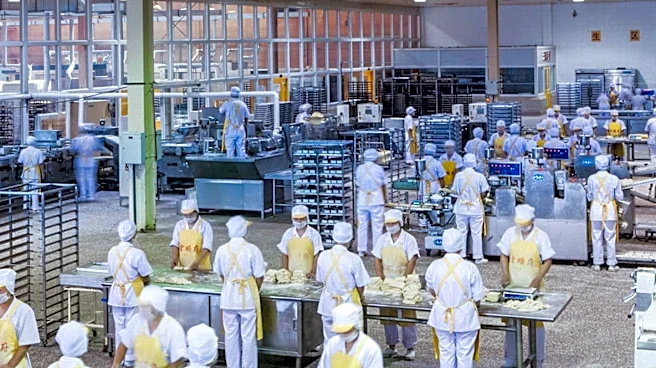
company's manufacturing team. The Formulator Lead will be responsible for front-line production processes, ensuring quality standards and standard operating procedures are met in the creation of high-quality products. The position involves operating machinery, packaging final products, and handling raw materials. Candidates are expected to have at least one year of work experience in any industry, basic computer and math skills, and the ability to comprehend and follow instructions in English. The company emphasizes a commitment to safety, punctuality, adaptability, and collaboration within a fast-paced manufacturing environment. This hiring initiative is part of Land O'Lakes' broader efforts to support its Omnium business, which specializes in crop protection, adjuvant, and plant nutrition products.
Why It's Important?
This recruitment drive by Land O'Lakes, Inc. highlights the ongoing demand for skilled labor in the U.S. agricultural and food manufacturing sectors. As a Fortune 500, farmer-owned cooperative, Land O'Lakes plays a significant role in the national economy, contributing to food production and agricultural innovation. The emphasis on roles like the Formulator Lead underscores the critical need for hands-on manufacturing expertise to maintain supply chains and product quality. The company's recognition on lists such as Fast Company's Best Workplaces for Innovators and TIME 100 Most Influential Companies suggests a commitment to progress and employee development, which can attract talent and foster a skilled workforce. For the St. Joseph, MO community, this opening represents job creation and economic stability, offering competitive pay and a comprehensive benefits package. The focus on crop protection and plant nutrition through its Omnium business also points to the cooperative's dedication to sustainable agriculture, impacting farmers and consumers nationwide.
What's Next?
Land O'Lakes, Inc. will continue its recruitment efforts to fill the Formulator Lead position and similar manufacturing roles across its operations. Successful candidates will undergo training to develop skills in operating machinery and handling raw materials, contributing directly to the production of agricultural inputs and food products. The company's ongoing commitment to innovation, as evidenced by its recent accolades, suggests a continued investment in research and development within the agtech sector. This could lead to further job opportunities and advancements in sustainable agricultural practices. Land O'Lakes is also likely to maintain its focus on cooperative efforts, supporting its members and communities through various initiatives. The company's emphasis on diversity in employment practices indicates a broader strategy to build an inclusive workforce, which may influence future hiring and talent development programs.
Beyond the Headlines
The hiring for a Formulator Lead at Land O'Lakes, Inc. reflects a deeper trend in the U.S. economy: the increasing integration of technology and innovation within traditional industries like agriculture. Land O'Lakes' recognition as a 'Best Workplace for Innovators' and its involvement in agtech signify a shift towards more sophisticated and sustainable farming practices. This move not only enhances efficiency and productivity but also addresses growing concerns about environmental impact and food security. The cooperative model, central to Land O'Lakes' identity, also highlights the enduring value of collective action and community support in the agricultural sector. By investing in its workforce and fostering a culture of innovation, Land O'Lakes is positioning itself as a leader in shaping the future of food production, potentially influencing other agricultural companies to adopt similar strategies. This approach could lead to a more resilient and technologically advanced agricultural landscape in the U.S.