







What's Happening?
Chicago Federal Reserve President Austan Goolsbee has asserted that the U.S. economy would not be in a recession even without the current artificial intelligence (AI) boom. Goolsbee argues that the AI build-out is not merely adding to economic growth
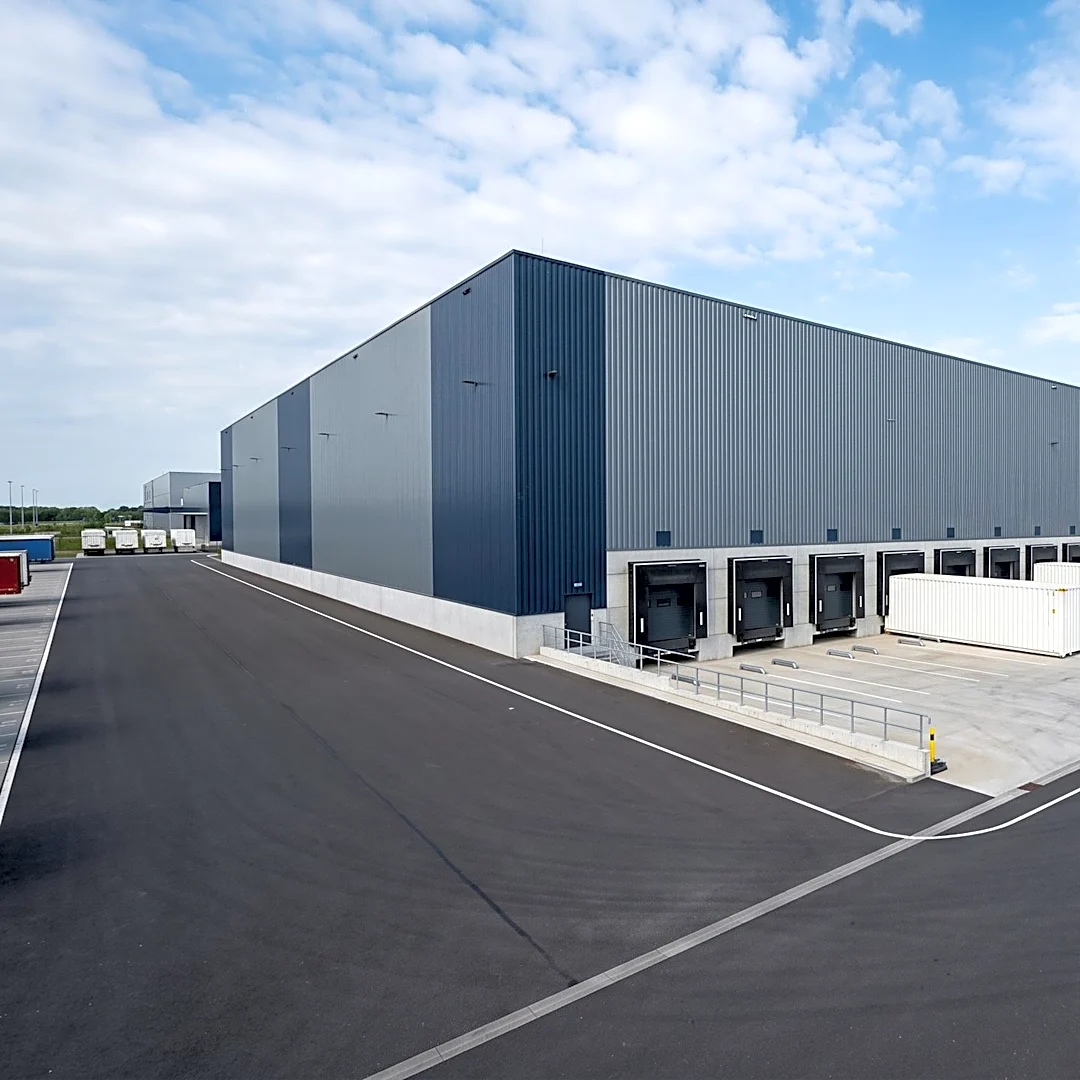
but is actively reallocating resources from other traditional industries. He noted that local businesses in his Midwestern district are increasingly complaining about skyrocketing costs, which he attributes directly to intense competition with tech giants for resources such as electricians, components, land, and construction. According to Goolsbee, this competition has effectively suppressed other sectors, preventing the aggregate economy from overheating. He further suggested that a sudden slowdown in AI demand would not automatically trigger a recession; instead, it could release pent-up capacity, allowing sidelined industries to recover. However, Goolsbee also cautioned that the rapid pace of the AI build-out is now starting to boost growth more broadly, leading to a retightening of the labor market, which could become a concern for "old-fashioned overheated demand."
Why It's Important?
Goolsbee's perspective offers a nuanced view of the AI boom's impact on the U.S. economy, suggesting that its growth is not purely additive but involves a significant reallocation of resources. This has important implications for understanding economic health and policy decisions. If AI development is indeed "cannibalizing" resources from other sectors, it means that while the tech sector thrives, other industries may be struggling with increased costs and reduced access to essential inputs. This could lead to uneven economic growth and potentially exacerbate existing disparities between different regions or industry types. His argument that a slowdown in AI wouldn't necessarily cause a recession, but rather free up resources for other sectors, provides a counter-narrative to concerns about an AI-driven economic bubble. However, his recent warning about the retightening labor market due to AI's accelerating growth indicates that the economic landscape is dynamic and constantly evolving, requiring careful monitoring by policymakers to prevent overheating.
What's Next?
Policymakers, including the Federal Reserve, will need to carefully monitor the evolving impact of the AI boom on various sectors of the U.S. economy. Goolsbee's observations suggest that a balanced approach is needed to understand whether the current economic growth is sustainable and broadly beneficial, or if it is creating imbalances that could lead to future instability. The competition for resources, such as skilled labor and materials, will likely continue to be a key factor for businesses outside the tech sector. The Federal Reserve will need to assess whether the retightening of the labor market, driven by AI's rapid expansion, warrants any adjustments to monetary policy to prevent inflationary pressures from becoming entrenched. Businesses in traditional industries may need to adapt their strategies to cope with increased competition for resources, potentially by investing in automation or seeking alternative supply chains. The long-term implications of AI's resource consumption on overall economic structure and regional development will also be a critical area of focus.
Beyond the Headlines
The discussion around AI's impact on resource allocation raises broader questions about technological progress and its societal consequences. If AI development disproportionately benefits certain sectors while straining others, it could lead to increased economic inequality and social friction. The competition for resources like skilled labor and land could drive up costs, making it harder for smaller businesses or those in less-favored industries to compete. This could also influence urban planning and regional development, as areas with high concentrations of tech companies might experience rapid growth and increased cost of living, while other regions lag. Furthermore, Goolsbee's comments implicitly touch upon the debate about the nature of economic growth itself – whether it should be measured solely by aggregate metrics or by its distribution and impact across different segments of society. The ethical implications of AI's resource consumption, particularly its energy demands and environmental footprint, are also becoming increasingly relevant as the technology scales.