






What's Happening?
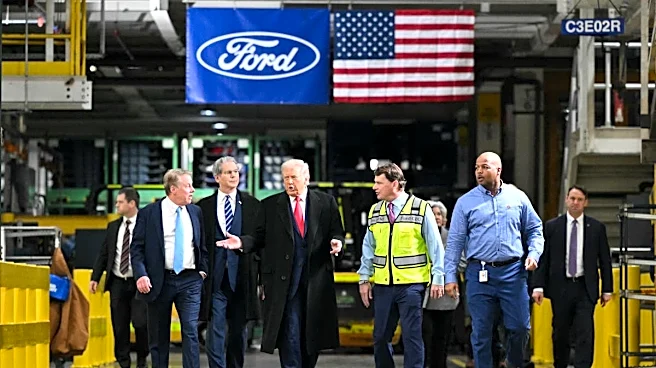
Ford Motor Company has rehired 350 veteran engineers, including former employees and those from suppliers, after its reliance on artificial intelligence and automated systems failed to meet quality expectations. According to Ford's Chief Operating Officer
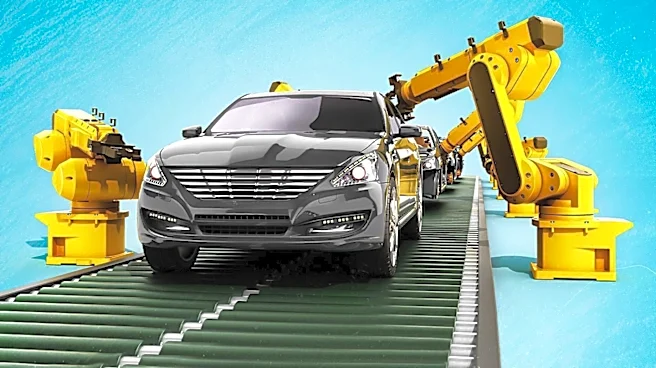
Kumar Galhotra, the company had increasingly depended on automated quality systems, which did not deliver the desired results. As a corrective measure, Ford brought back technical specialists, known as 'gray beard' engineers, to identify potential failure points before parts reach the production floor. Charles Poon, Ford's Vice President of Vehicle Hardware Engineering, acknowledged that the company mistakenly believed AI could automatically produce high-quality products by simply processing design requirements. The rehired engineers are now tasked with training younger staff and reprogramming AI tools to improve outcomes.
Why It's Important?
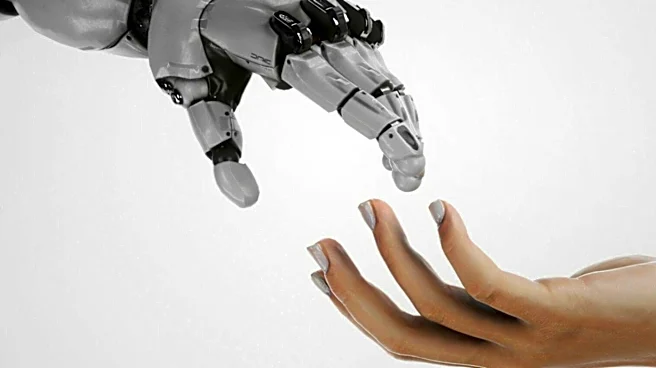
This strategic move by Ford highlights the limitations of artificial intelligence in complex manufacturing processes and underscores the enduring value of human expertise. By reintegrating experienced engineers, Ford aims to enhance product quality and reduce costs associated with warranties and recalls. This decision is expected to generate significant financial benefits, with Ford CEO Jim Farley noting that it contributes to hundreds of millions of dollars in cost savings. The company's success in reclaiming the top spot among mainstream brands in the JD Power Initial Quality Survey further validates the effectiveness of this approach. The development serves as a reminder to industries heavily investing in AI to balance technological advancements with human oversight to achieve optimal results.
What's Next?
Ford's decision to reintegrate veteran engineers suggests a potential shift in how the company and possibly the broader automotive industry approach the integration of AI in manufacturing. As these engineers continue to train younger staff and refine AI tools, Ford may further optimize its production processes, potentially setting a precedent for other automakers facing similar challenges. The industry will likely monitor Ford's progress closely to assess the long-term viability of combining human expertise with AI technology. Additionally, Ford's approach may influence future investments in AI, prompting companies to evaluate the balance between automation and human intervention.