





What's Happening?
Vertical gardens are gaining traction as an effective method to transform underutilized vertical spaces into green areas, particularly beneficial for urban residents with limited ground space. These gardens allow for cultivation of various plants, including
day-neutral strawberries, thyme, chives, nasturtium, leaf lettuce, Boston fern, and coral bells, with plant selection depending on light conditions. The success of a vertical garden relies on compact plant varieties, consistent moisture management, and appropriate light exposure from top to bottom. Key considerations for establishing a vertical garden include secure support, adequate drainage, and a realistic plan for accessing each planting pocket. Proper structural capacity, waterproofing, and safe access are crucial before selecting plants, as wet growing media can be heavy and runoff can damage surfaces.
Why It's Important?
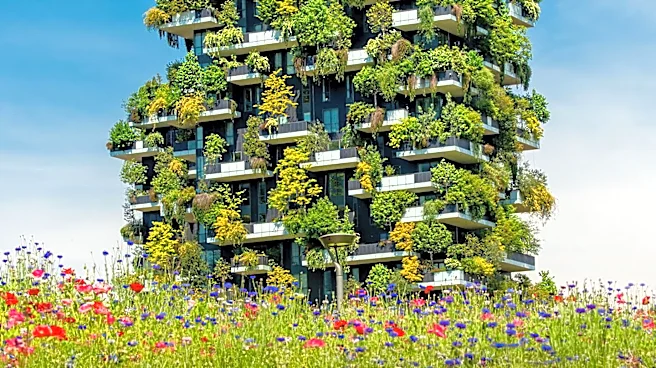
The adoption of vertical gardens holds significant importance for urban environments and their inhabitants. These green installations contribute to environmental improvement by reducing room temperatures, thereby saving cooling energy, and filtering harmful fine dust from the air. For urban dwellers, vertical gardens offer a practical solution to engage in gardening without requiring extensive floor space, fostering a connection with nature in densely populated areas. The ability to grow edibles like strawberries, herbs, and lettuce in compact vertical systems can also promote local food production and enhance food security in cities. Furthermore, the aesthetic appeal of vertical gardens can transform drab urban landscapes into vibrant, living walls, potentially improving the quality of life and mental well-being of residents.
What's Next?
The trend of vertical gardening is expected to continue expanding, with a focus on optimizing plant selection and irrigation systems for diverse urban settings. Future developments may include more integrated designs that combine vertical gardens with other space-saving techniques, such as benches and raised beds, particularly in greenhouses and small urban plots. Research and innovation will likely concentrate on developing more efficient watering solutions and lightweight, durable materials for vertical garden structures. As urban populations grow, the demand for green infrastructure like vertical gardens will increase, prompting further exploration into their potential for enhancing urban biodiversity, managing stormwater, and mitigating the urban heat island effect. Educational initiatives will also play a role in guiding individuals on best practices for plant care and system maintenance in vertical gardening.
Beyond the Headlines
Beyond their immediate benefits, vertical gardens represent a broader shift towards sustainable urban living and green infrastructure. They challenge traditional notions of gardening by demonstrating that cultivation is possible in unconventional spaces, fostering creativity and resourcefulness among urban gardeners. The integration of vertical gardens into building designs could lead to more energy-efficient structures and contribute to a city's overall ecological resilience. Ethically, these gardens promote a more harmonious relationship between urban development and nature, encouraging a re-evaluation of how public and private spaces can be utilized for environmental good. Culturally, they can foster community engagement through shared green spaces and educational programs, potentially leading to a more environmentally conscious urban populace.