





What's Happening?
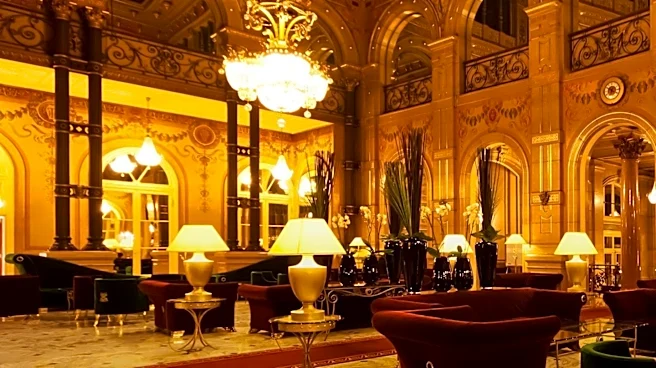
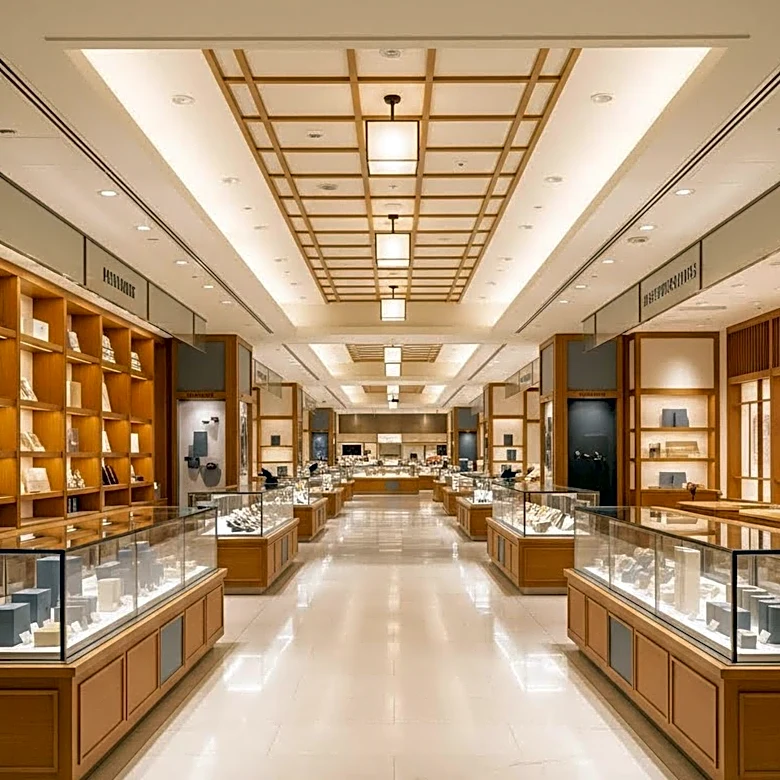
The hotel industry is being advised to rethink how it utilizes existing spaces and amenities to improve guest experience and overall property performance. This strategic shift, detailed by Makarand Mohite, suggests that hotels should view underused areas
like quiet restaurants, empty spa rooms, or underutilized terraces as potential guest value assets. Instead of focusing solely on occupancy, average daily rate (ADR), and revenue per available room (RevPAR), the emphasis is now on Total Revenue Per Available Room (TRevPAR), which incorporates revenue from all departments. The core idea is to align these spaces with guest needs and an effective operating model to create a more complete stay and a stronger sense of place, ultimately leading to a better return on existing assets. This approach encourages hotels to start with understanding guest desires rather than simply trying to fill empty spaces with new revenue ideas.
Why It's Important?
This shift in strategy is important for the U.S. hotel industry as it offers a pathway to increased profitability and guest satisfaction without necessarily requiring significant new construction or investment. By optimizing existing infrastructure, hotels can unlock hidden revenue streams and enhance their competitive edge in a dynamic market. This approach can lead to a more resilient earnings profile and stronger cash generation, benefiting hotel owners and investors. For guests, it promises a more enriched and personalized experience, potentially increasing loyalty and repeat business. The focus on TRevPAR provides a more holistic view of a property's financial health, encouraging management to consider the broader impact of all services on guest spending and satisfaction. This could also lead to more innovative uses of hotel spaces, fostering unique local experiences and strengthening a hotel's brand identity.
What's Next?
Hotels are encouraged to implement a four-question framework before introducing new experiences: Does it fit the guest? Does it fit the brand? Does it fit the space and time? And does the operating model make sense? This structured approach aims to prevent the launch of attractive concepts that cannot be consistently delivered or do not align with the property's character. Following implementation, performance should be reviewed beyond just revenue, considering utilization, contribution after direct operating costs, and guest feedback. The goal is not to monetize every corner but to make better decisions about property usage. This could lead to a re-evaluation of staffing, training, and coordination to ensure new offerings are sustainable and enhance the overall guest journey.
Beyond the Headlines
The deeper implication of this strategy lies in its potential to redefine the very concept of hospitality. By moving beyond the traditional 'room-centric' view, hotels can transform into multifaceted experience hubs that cater to a wider range of guest needs and preferences. This could foster a more sustainable model for the industry, reducing reliance on constant expansion and instead maximizing the value of existing resources. Ethically, it encourages a more thoughtful and guest-centric approach to service design, potentially leading to more authentic and memorable experiences. Culturally, it could see hotels becoming more integrated into their local communities, offering unique experiences that reflect the character of their surroundings, rather than being generic accommodations. This long-term shift could lead to a more dynamic and innovative hotel landscape in the U.S.