








What's Happening?
An anti-inflammatory diet, closely resembling a Mediterranean-style eating pattern, is highly recommended for women approaching or in menopause to manage symptoms and support overall health. As estrogen levels fluctuate and decline during menopause, changes
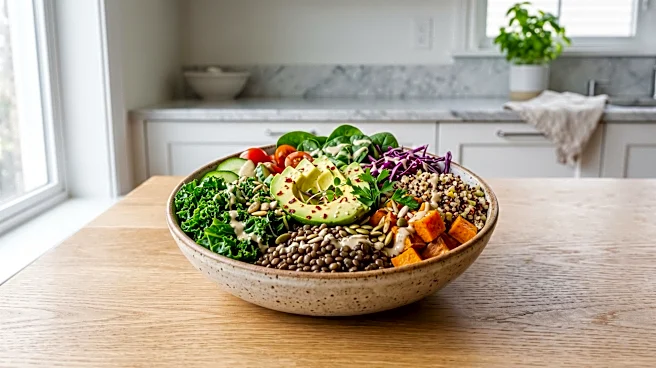
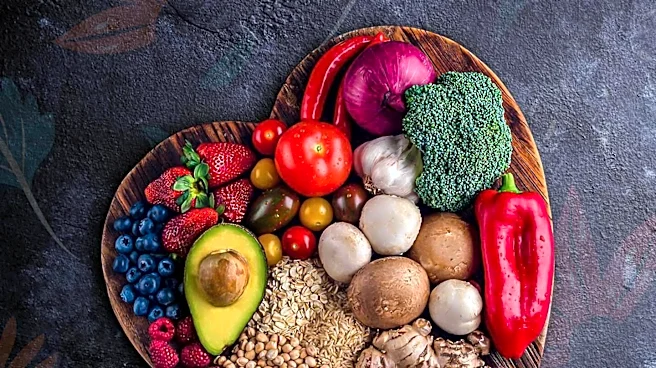
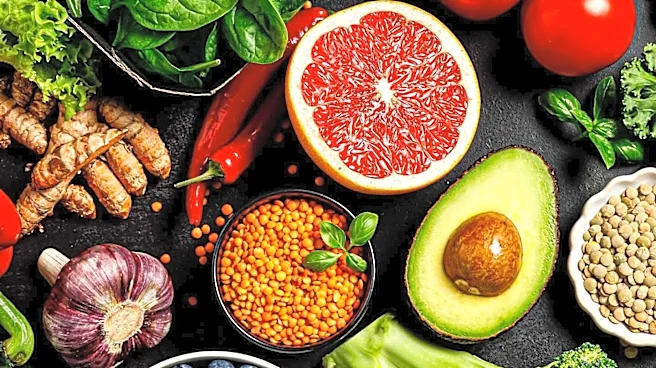
can occur in metabolism, insulin sensitivity, body composition, cardiovascular health, and inflammatory responses. This dietary approach emphasizes whole, minimally processed foods such as colorful vegetables, fruits, quality protein, fiber-rich carbohydrates, nuts, seeds, olive oil, herbs, and spices. It aims to provide nutrients that help control chronic, low-grade inflammation, which can increase during this life stage. The diet is flexible and can be followed without fish, incorporating plant-based omega-3 sources like walnuts, chia seeds, and flaxseeds.
Why It's Important?
This dietary recommendation is crucial for women's health in the U.S., as menopause can significantly impact various physiological systems, including increased vulnerability to muscle mass loss and changes in cardiovascular risk. By adopting an anti-inflammatory diet, women can proactively address potential health challenges associated with menopause, such as weight gain, metabolic shifts, and increased inflammation. The emphasis on nutrient-dense foods supports not only physical health but also cognitive function and mood. For the healthcare sector, this highlights the importance of dietary interventions as a first-line approach to managing menopausal symptoms and promoting long-term well-being, potentially reducing reliance on pharmaceutical solutions for some individuals. It empowers women to take an active role in their health management through informed food choices.
What's Next?
Women in menopause are encouraged to adopt this Mediterranean-style anti-inflammatory diet, focusing on consistent intake of nutrient-dense foods rather than strict elimination. The diet's flexibility allows for individual preferences, including fish-free options. Healthcare providers may increasingly recommend this dietary framework as part of a holistic approach to menopause management, alongside other lifestyle factors like exercise, sleep, and stress reduction. While some women may notice improvements in digestion, fullness, or energy within weeks, changes in markers like cholesterol or blood sugar may take longer. The long-term benefits, particularly for cardiovascular health, are emphasized, even without significant weight loss.
Beyond the Headlines
The recommendation of an anti-inflammatory diet for menopause reflects a growing understanding of the interconnectedness of diet, hormones, and overall health. It challenges the notion that menopausal symptoms are solely hormonal, highlighting the significant role of lifestyle factors in mitigating their severity. This approach promotes a sustainable and nourishing way of eating, moving away from restrictive diets often associated with quick fixes. It also underscores the importance of personalized nutrition, acknowledging that while menopause affects everyone, individual responses and lifestyle choices play a crucial role in health outcomes. The focus on whole foods and healthy fats aligns with broader public health messages promoting balanced eating for chronic disease prevention across all age groups.