



What's Happening?
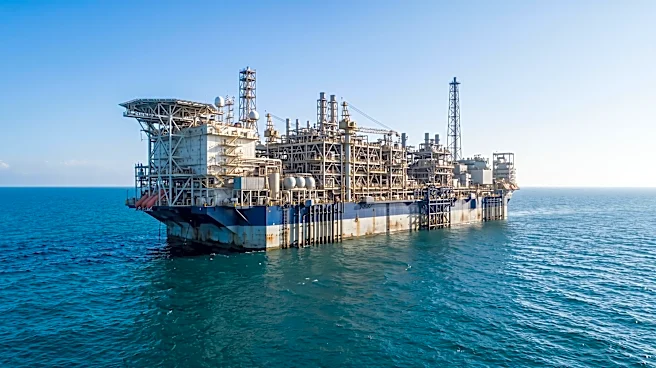
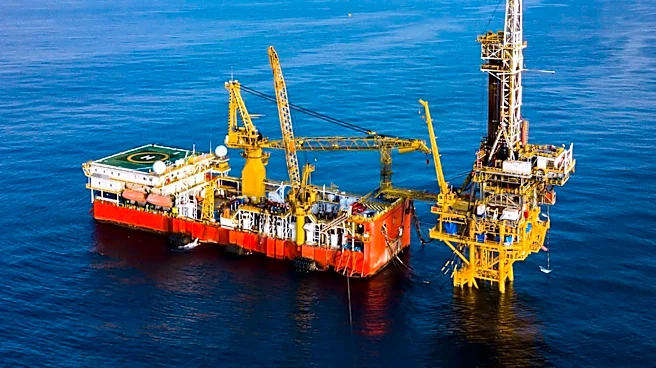
Chevron (NYSE:CVX) and HELLENiQ ENERGY are set to commence offshore oil and gas exploration in the southern Ionian Sea in Greece. This initiative focuses on identifying potential hydrocarbon resources within deepwater blocks. The Greek authorities view
this project as a strategic move to enhance domestic energy production while simultaneously upholding environmental safeguards in the region. This exploration effort aligns with Chevron's broader strategy of pursuing low-cost upstream projects and maintaining disciplined portfolio development. The company's approach involves renewing its upstream funnel without committing to extensive, long-term spending early on, thereby prioritizing capital-efficient growth. Seismic surveys are a key initial step in this process, allowing Chevron to assess the viability of these new prospects.
Why It's Important?
This joint venture between Chevron and HELLENiQ ENERGY in Greece is significant for several reasons. For Greece, it represents a concerted effort to bolster its energy security by increasing domestic energy output, potentially reducing reliance on imported energy sources. For Chevron, it expands its global exploration portfolio, adding another potential source of hydrocarbons to feed its integrated energy system. The project's emphasis on balancing energy security with environmental safeguards reflects a growing trend in the energy sector, where companies are increasingly scrutinized for their environmental impact. The success of this exploration could influence future investment decisions in similar regions and demonstrate the feasibility of developing new energy resources under strict environmental regulations. Investors will be closely watching the seismic results and any subsequent drilling decisions to gauge the project's potential and its impact on Chevron's overall valuation.
What's Next?
The immediate next step for the Chevron and HELLENiQ ENERGY project will be the completion of seismic surveys, which are expected to conclude by January 2027. The results of these surveys will be crucial in determining whether management books meaningful prospective resources. Following the seismic data analysis, a decision on follow-on drilling will be made. This decision will also involve evaluating how any future Ionian Sea spending compares to other projects in Chevron's portfolio, such as those in Venezuela and the Permian Basin. The outcome will influence Chevron's exploration budget allocation and its overall strategic direction in developing new energy sources. Stakeholders, including investors and environmental groups, will be monitoring these developments closely.
Beyond the Headlines
The exploration in the Ionian Sea carries deeper implications beyond immediate energy production. It highlights the ongoing global demand for hydrocarbon resources and the continuous push by energy companies to discover new reserves, even in environmentally sensitive areas. The Greek government's framing of the project as a balance between energy security and environmental protection underscores the complex challenges faced by nations in meeting their energy needs while addressing climate concerns. This project could set a precedent for how future energy exploration is conducted in regions with high environmental value. Furthermore, it reflects the strategic importance of the Eastern Mediterranean as a potential energy hub, attracting major international players like Chevron. The long-term success of such ventures will depend not only on the discovery of viable resources but also on the ability to navigate complex geopolitical and environmental landscapes.