


What's Happening?
Redwood Materials, a battery recycling startup, is expanding its business model to provide power solutions for AI data centers using recycled electric vehicle (EV) batteries. CEO JB Straubel announced that the company is addressing the challenge of long
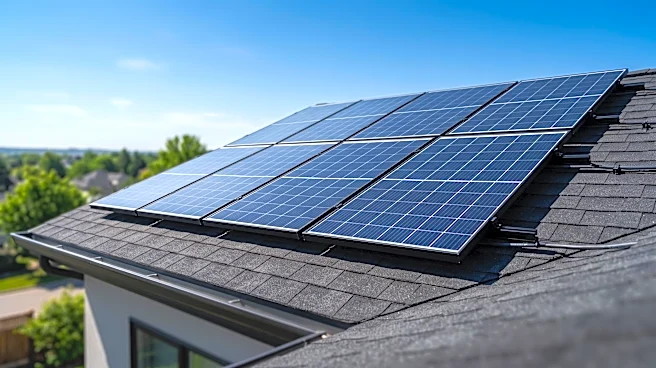
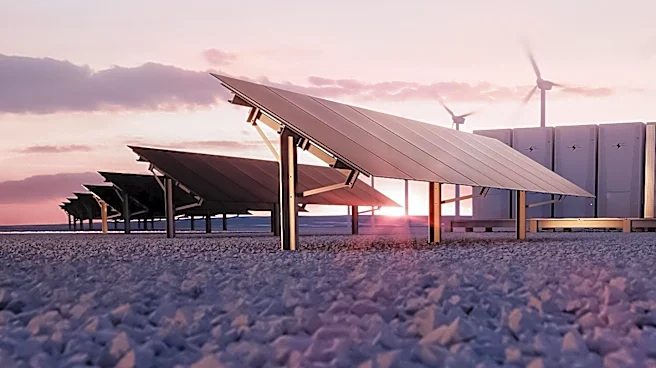
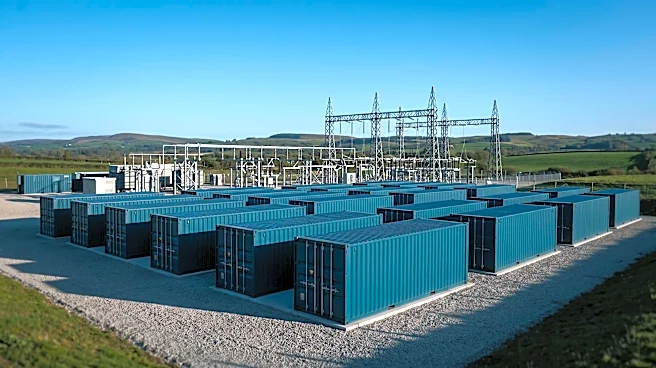
wait times for grid connections by offering 'behind-the-meter' energy systems. These systems combine second-life EV batteries with solar panels and other on-site power sources, enabling customers to generate and store their own electricity without relying on the traditional grid. Redwood Materials has already implemented this approach with Rivian, recycling used batteries from the EV manufacturer and installing energy storage systems at Rivian's plants, including a 10-megawatt-hour installation at its Illinois factory. The company is also developing its own power electronics and software to integrate with these battery systems, transforming its initial recycling focus into a broader energy offering. This strategic shift aims to provide a faster and more efficient way for energy-intensive AI data centers to secure power.
Why It's Important?
This development is significant for the U.S. technology and energy sectors. The rapid growth of AI data centers has created a substantial demand for electricity, often leading to years-long waits for new grid connections. Redwood Materials' solution offers a decentralized and potentially quicker alternative, which could accelerate the deployment of AI infrastructure. By repurposing EV batteries, the company also contributes to a circular economy, reducing waste and maximizing the lifespan of valuable resources. This approach could alleviate pressure on the national power grid, which is already facing challenges in meeting increasing demand and integrating renewable energy sources. For businesses, particularly those in the AI and data center industries, this could mean reduced operational delays and increased energy independence. The initiative also highlights the evolving landscape of battery technology and its diverse applications beyond electric vehicles, potentially creating new markets and revenue streams for companies involved in battery recycling and energy storage.
What's Next?
Redwood Materials is expected to continue expanding its Redwood Energy division, focusing on securing more partnerships with AI data centers and other energy-intensive industries. The company will likely further develop its integrated power electronics and software to optimize the performance and management of these behind-the-meter systems. As the demand for AI computing power continues to surge, Redwood Materials' model could become a critical component in the infrastructure development for these facilities. The success of these projects could also influence other battery recycling companies to explore similar ventures, fostering a more robust market for second-life battery applications. Additionally, regulators and policymakers may begin to examine how such decentralized energy solutions can be integrated into broader energy strategies and grid modernization efforts, potentially leading to new incentives or frameworks for sustainable energy infrastructure.
Beyond the Headlines
The shift by Redwood Materials into providing power solutions for AI data centers underscores a broader trend towards distributed energy resources and the circular economy. This move highlights the inherent value in 'waste' materials, demonstrating that components like EV batteries can have multiple life cycles, significantly reducing their environmental footprint. Ethically, it promotes responsible resource management and addresses the growing e-waste problem associated with rapid technological advancements. Economically, it creates new business opportunities and could lead to a more resilient energy infrastructure, less susceptible to centralized grid failures or delays. Culturally, it reinforces the idea that sustainability can be a driver of innovation and economic growth, challenging traditional linear consumption models. This development could also spur further research and investment into battery repurposing technologies, ultimately contributing to a more sustainable and energy-independent future for the U.S.