




What's Happening?
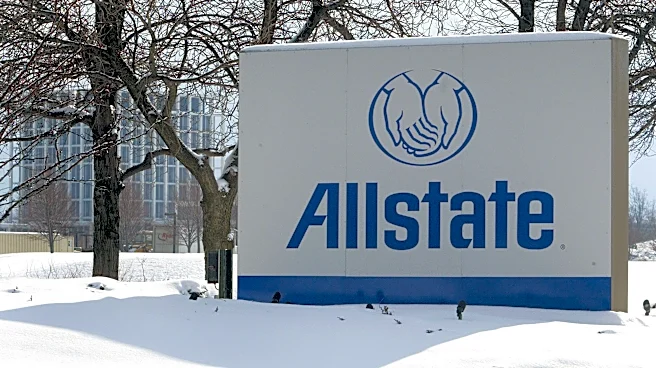
Allstate is facing another Telephone Consumer Protection Act (TCPA) class action lawsuit, this time concerning alleged robocalls made by an artificial voice identified as 'Eliza With Allstate.' The plaintiff, Alexis Fennessy, claims to have received these
calls on her cellular telephone without providing express consent, regarding Allstate's goods, products, or services. This lawsuit follows a previous TCPA class action filed against Allstate just last Friday, which involved AI voice calls made by the Hardin Agency. The current complaint seeks to represent a class of all persons in the United States who received similar artificial or prerecorded voice calls from Allstate on their cell phones within the past four years. The frequency of these lawsuits suggests a potential pattern of non-compliance with telemarketing regulations by the insurance giant.
Why It's Important?
This new class action lawsuit underscores the significant legal risks U.S. companies face when utilizing automated calling systems, particularly those involving artificial or prerecorded voices, without explicit consumer consent. The TCPA is a stringent federal law designed to protect consumers from unsolicited telemarketing calls, and violations can result in substantial penalties. For Allstate, facing multiple TCPA lawsuits in quick succession could lead to considerable financial liabilities, reputational damage, and increased scrutiny of its marketing practices. The use of AI voices, such as 'Eliza With Allstate,' highlights the evolving challenges in telemarketing compliance as technology advances. This situation also signals a broader concern for the insurance industry and other sectors that rely on outbound calling for customer acquisition and service, emphasizing the critical need for robust consent management and adherence to telemarketing regulations to avoid costly litigation.
What's Next?
The lawsuit will proceed through the legal system, with the plaintiff seeking class certification to represent a broader group of individuals who allegedly received similar unauthorized robocalls from Allstate. Allstate will likely need to respond to the allegations, potentially engaging in discovery to determine the scope and nature of the calls made. The outcome could involve significant financial settlements or judgments if the court finds Allstate liable for TCPA violations. This ongoing legal challenge may prompt Allstate to review and revise its telemarketing and customer outreach strategies, particularly concerning the use of AI and automated voice systems. Other companies employing similar technologies may also take note, potentially leading to a broader re-evaluation of consent protocols and compliance measures across industries to mitigate similar legal risks.
Beyond the Headlines
The repeated TCPA lawsuits against Allstate, particularly those involving AI-generated voices, highlight a growing tension between technological innovation in customer outreach and consumer privacy rights. As companies increasingly adopt AI for efficiency in communication, the legal framework, such as the TCPA, struggles to keep pace with these advancements. This situation raises ethical questions about the transparency of AI interactions and whether consumers are adequately informed when they are speaking with an artificial intelligence rather than a human. The proliferation of such lawsuits could also spur legislative discussions on updating telemarketing regulations to specifically address AI-driven communications, ensuring consumer protection in an increasingly automated world. Furthermore, it underscores the importance of robust internal compliance programs for companies leveraging AI in customer-facing roles to prevent legal entanglements and maintain consumer trust.