





What's Happening?
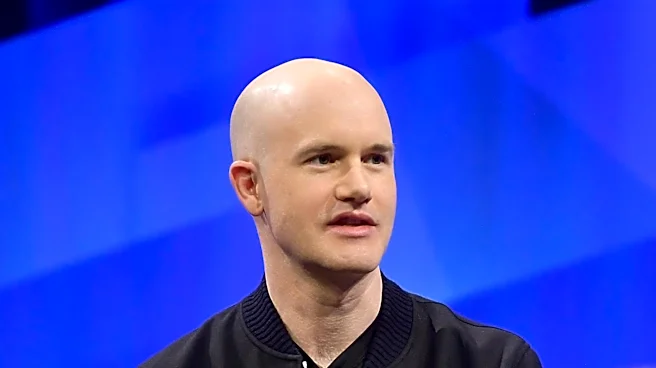
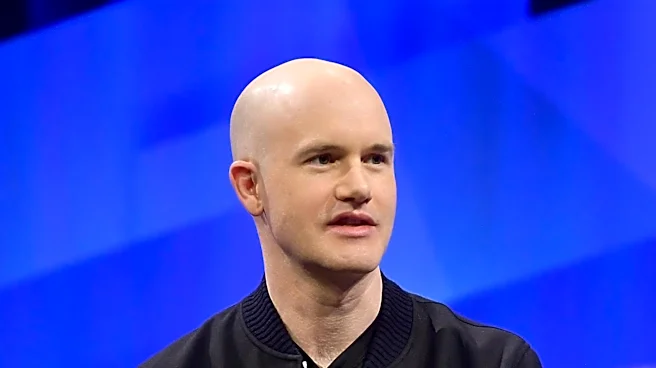
Coinbase CEO Brian Armstrong has publicly discussed the company's approach to AI security and a past extortion attempt. In May 2025, Coinbase experienced a data extortion incident where cybercriminals bribed overseas customer support agents to leak personal
data of Coinbase users. Less than 1% of monthly transacting users had their personal information compromised. The attackers demanded $20 million in Bitcoin to prevent the publication of the stolen data. Armstrong rejected the ransom and instead announced a $20 million reward for information leading to the arrest and conviction of those responsible. Law enforcement action followed in December 2025, resulting in the arrest of a former support agent in Hyderabad, India. By November 2026, Armstrong's focus expanded to artificial intelligence, warning that attackers are increasingly using AI while also pushing Coinbase to adopt advanced AI models for code scanning and defense, with every line of code now scanned by AI before production. He identified third-party vendors as the company's top security risk.
Why It's Important?
This development highlights the evolving landscape of cybersecurity threats, particularly the increasing sophistication of attackers utilizing AI and the vulnerability posed by third-party vendors. Coinbase's decision to refuse the ransom and offer a bounty sets a precedent for how major financial institutions might respond to similar cyberattacks, potentially deterring future extortion attempts by making them less profitable and riskier for criminals. The significant cost incurred by Coinbase for remediation and customer reimbursements, estimated between $180 million and $400 million, underscores the substantial financial impact of data breaches, even when a ransom is not paid. Furthermore, Armstrong's emphasis on AI for defense signals a critical shift in cybersecurity strategies, indicating that companies are increasingly relying on advanced technological solutions to combat AI-powered threats and protect sensitive user data in the digital asset space.
What's Next?
The ongoing focus on AI security by Coinbase suggests a continued investment in advanced defensive technologies and a potential industry-wide shift towards AI-driven cybersecurity measures. Companies in the financial and technology sectors may follow Coinbase's lead in implementing more robust AI-powered code scanning and defense systems. The identification of third-party vendors as a primary security risk indicates that there will likely be increased scrutiny and stricter security protocols for external partners across various industries. Law enforcement agencies globally may also continue to collaborate on international cybercrime investigations, as demonstrated by the arrest in India, to address the transnational nature of these threats. The precedent set by refusing the ransom could influence future responses to extortion attempts, potentially leading to more companies opting for legal and investigative avenues rather than paying cybercriminals.
Beyond the Headlines
The incident raises deeper ethical and strategic questions about how organizations should respond to cyber extortion. Coinbase's choice to absorb a substantial financial loss for remediation rather than paying the ransom reflects a stance against enabling criminal enterprises, which could have long-term implications for the cybersecurity ecosystem. This approach, while costly in the short term, may contribute to a broader industry standard that discourages ransomware and extortion. The dual role of AI as both a tool for attackers and a defense mechanism for companies highlights the ongoing technological arms race in cybersecurity. This dynamic necessitates continuous innovation and adaptation, pushing the boundaries of AI development in both offensive and defensive capacities. The vulnerability of third-party vendors also underscores the interconnectedness of modern business operations and the need for a holistic security strategy that extends beyond an organization's immediate infrastructure.