
What's Happening?
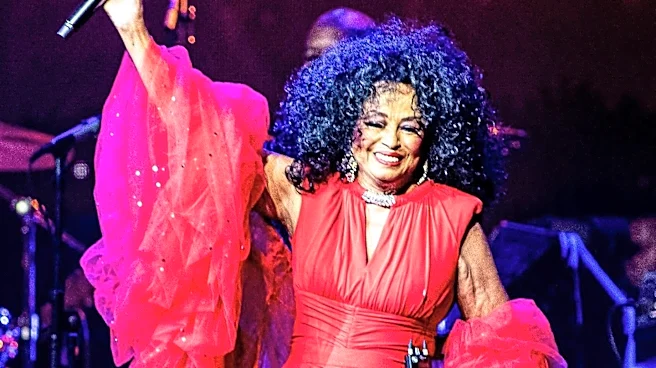
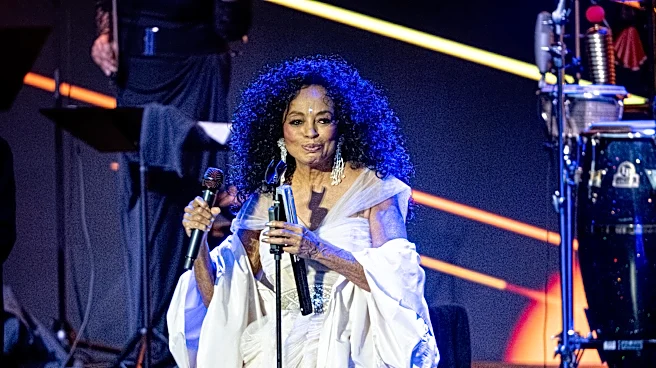
On November 24, 1968, Diana Ross and The Supremes secured their eleventh No. 1 position on the U.S. singles chart with their song "Love Child." This achievement marked a significant moment in music history,
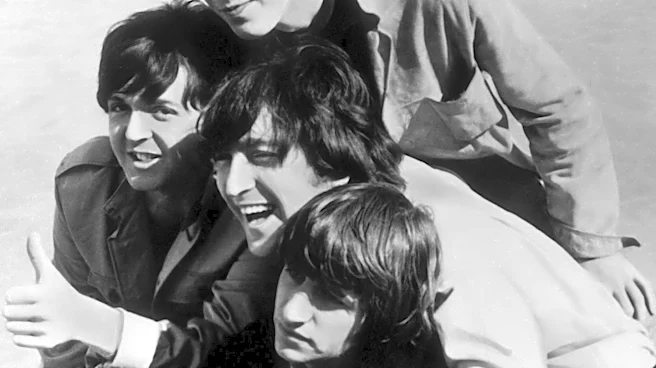
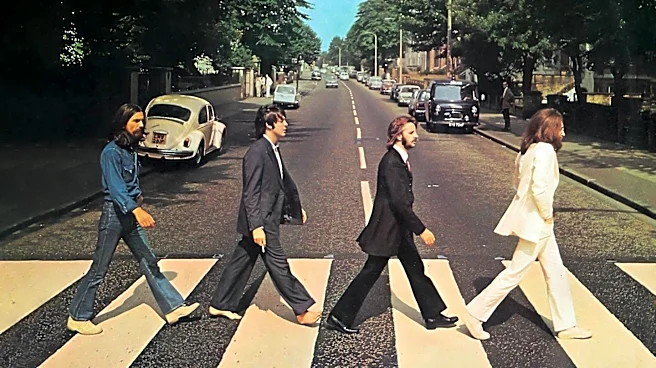
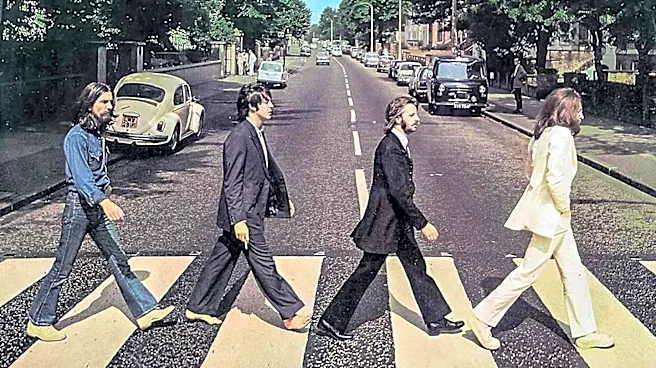
as "Love Child" notably displaced The Beatles' popular track "Hey Jude" from the top spot in the U.S. The song's success further solidified The Supremes' dominance in the American music scene during that era. The group, fronted by Diana Ross, consistently produced chart-topping hits, contributing significantly to the sound of the late 1960s. This historical event is part of a broader look at music milestones on this date, which also includes other artists like Ringo Starr and Donna Summer achieving No. 1 hits in subsequent years.
Why It's Important?
The success of "Love Child" by Diana Ross and The Supremes in 1968 is important for several reasons within the context of U.S. music and cultural history. It underscored the immense popularity and influence of Motown Records and its artists, particularly The Supremes, who were trailblazers for Black artists in mainstream American music. Achieving an eleventh No. 1 hit demonstrated their consistent appeal and commercial power, setting a high bar for future musical acts. Furthermore, knocking off a global phenomenon like The Beatles' "Hey Jude" from the top of the charts highlighted the strength of their music and their connection with the American public. This period was crucial for the integration of R&B and soul music into the broader pop landscape, and The Supremes played a pivotal role in this cultural shift, influencing countless artists and shaping the sound of popular music for decades to come.
What's Next?
While the event itself is historical, the legacy of Diana Ross and The Supremes continues to influence contemporary music and culture. Their extensive catalog of hits, including "Love Child," remains popular and is frequently featured in media, tributes, and retrospectives on American music. The impact of their sound and style can still be heard in modern R&B and pop. Future generations of artists and music enthusiasts will likely continue to study and appreciate their contributions to the music industry. Additionally, historical music events like this often lead to renewed interest in the artists' work, potentially sparking re-releases, documentaries, or special commemorative events that celebrate their enduring influence.
Beyond the Headlines
The success of "Love Child" extends beyond its chart performance, reflecting deeper societal shifts and cultural dynamics of the late 1960s in the U.S. The song's lyrical themes, which touched on the challenges faced by children born out of wedlock, resonated with a changing social landscape and contributed to broader conversations about family structures and social stigma. The Supremes, as prominent Black female artists, also represented a powerful symbol of empowerment and success during the Civil Rights era, breaking down racial barriers in entertainment. Their ability to consistently produce mainstream hits while addressing relevant social issues showcased the evolving role of popular music as both entertainment and a reflection of societal concerns. This blend of commercial appeal and social commentary cemented their place not just in music history, but in the larger narrative of American cultural development.