
What's Happening?
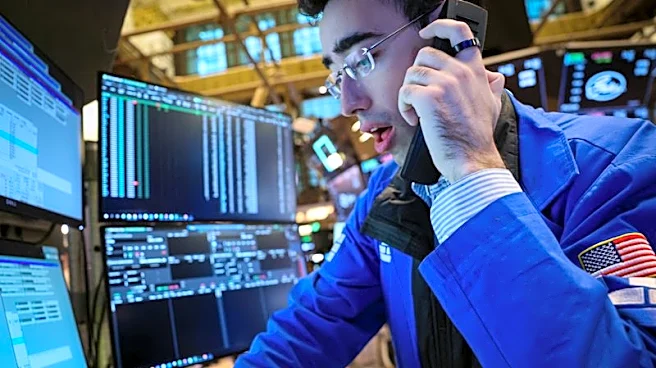
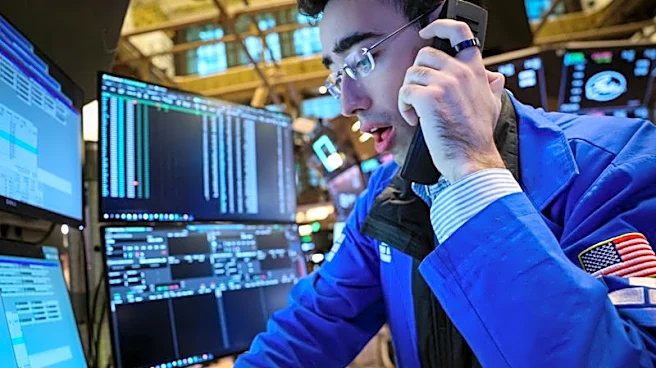
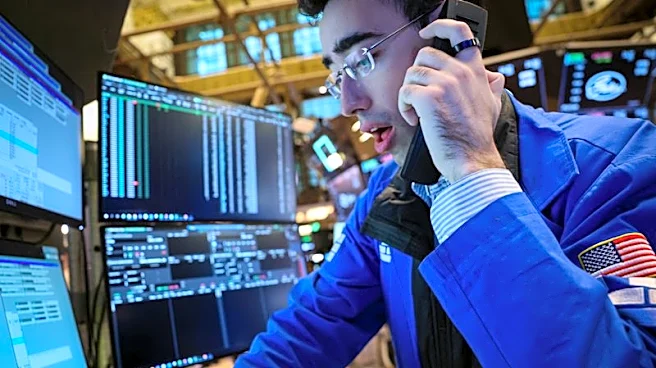
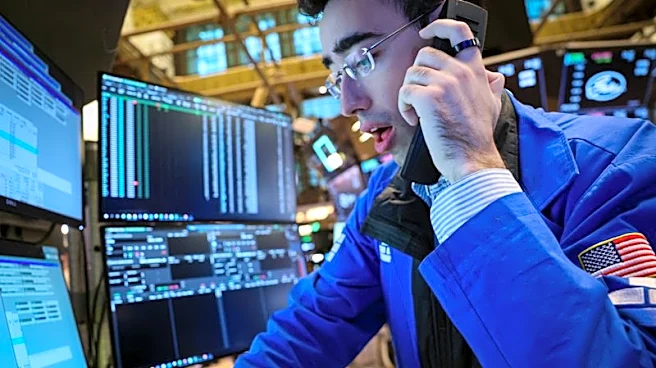
Fundstrat managing partner Tom Lee stated on CNBC's Closing Bell on November 19 that the current technology selloff presents a buying opportunity for long-term investors. This advice comes as major U.S.
stock indices experienced significant declines, with the S&P 500 falling 2.02%, the Nasdaq Composite dropping 2.25%, and the Dow Jones Industrial Average losing over 1,100 points. The debut of Anthropic, which opened at $111.50 per share and closed at $97.17, up 17.1% from its $83 IPO price, did not prevent a broader market downturn, with all seven 'Magnificent Seven' stocks finishing lower. Lee drew a comparison to Cisco Systems' performance in 1997, when its stock fell from approximately $9 to $5 within three months before rebounding to about $18 a year later. He believes the current market sentiment, characterized as 'max pain,' will ultimately lead to a significant payoff for patient investors.
Why It's Important?
Tom Lee's perspective offers a counter-narrative to the prevailing market pessimism, suggesting that the current tech downturn is a temporary correction rather than a fundamental shift. His comparison to Cisco's 1997 rebound provides a historical precedent for investors to consider, implying that significant gains could follow the current period of volatility. This view is particularly relevant for long-term investors looking for entry points into the technology sector, which has been a major driver of U.S. economic growth. The Federal Reserve's concerns about rising balance-sheet debt and off-balance-sheet obligations of AI companies, potentially exceeding $3 trillion, highlight underlying financial risks that could impact the tech sector's stability. Lee's argument that established companies modernizing their technology will drive demand for computing capacity suggests a sustained growth trajectory for the sector despite current headwinds.
What's Next?
The immediate future will likely see continued market volatility as investors grapple with rising financing costs for AI infrastructure companies and persistent inflation tied to data center construction, as noted in the Fed's October meeting minutes. Lee's reference to a 5% level on the 10-year Treasury yield as a potential end point for the tech correction suggests that stabilization around this yield could be a key indicator for a market turnaround. If the 10-year yield stabilizes near 5%, it might signal that the correction is nearing its end, potentially validating Lee's 'buy the dip' strategy. However, if yields continue to rise, it could prolong the downturn beyond historical patterns. Investors will be closely monitoring economic data, Federal Reserve statements, and corporate earnings reports for signs of market direction and the potential for a tech sector rebound.
Beyond the Headlines
Lee's analysis touches upon a broader theme of market psychology and the cyclical nature of investor sentiment. The concept of 'max pain' preceding a significant rebound suggests that emotional responses often drive market bottoms, creating opportunities for those who can maintain a long-term perspective. The increasing debt and off-balance-sheet obligations of AI companies, as highlighted by Federal Reserve Governor Michael Barr, point to potential systemic risks within the rapidly expanding artificial intelligence sector. This raises questions about the sustainability of current growth models and the need for robust financial oversight. The comparison to Cisco's 1997 correction also serves as a reminder that technological revolutions, while transformative, often come with periods of intense speculation and subsequent re-evaluation, shaping the long-term landscape of the U.S. economy.