



What's Happening?
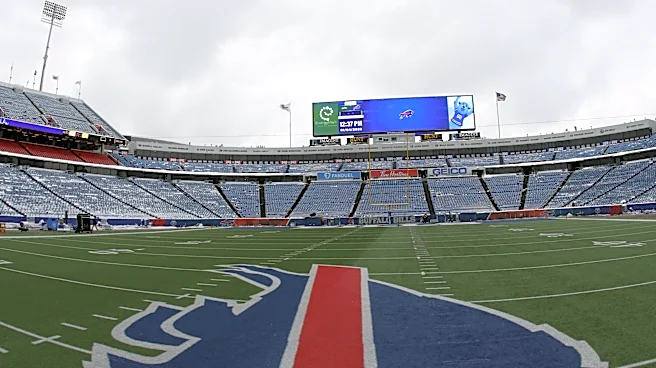
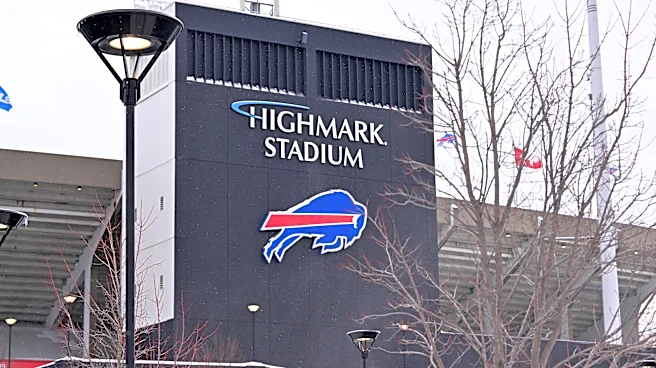
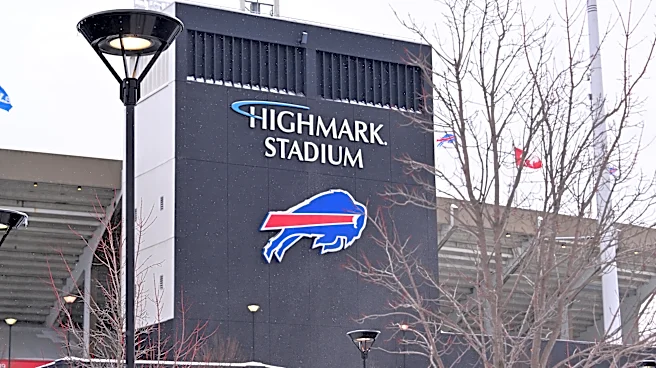
The Buffalo Bills have decided not to include O.J. Simpson in their new stadium's honors, as announced by the team's chief operating officer, Pete Guelli. This decision marks a departure from the past, where Simpson's name was displayed on the Wall of Fame
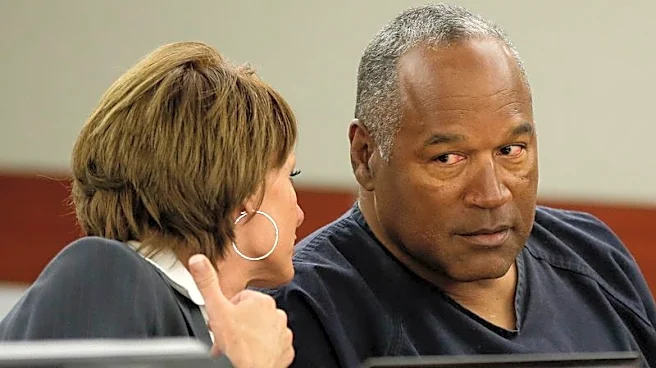
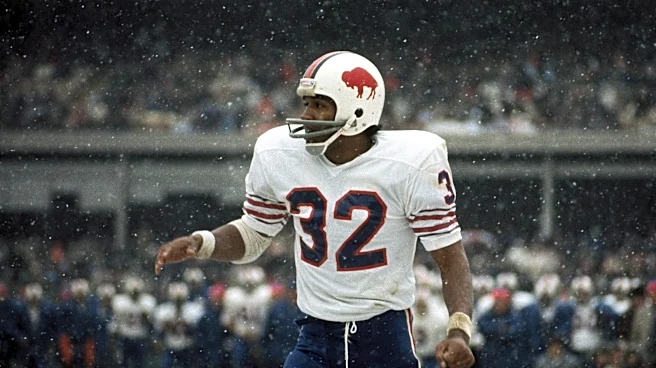
at the team's former stadium. The new stadium, which recently opened, will feature a 'Family Circle' area to honor past greats, but Simpson's name will be absent. Despite his record-setting career with the Bills in the 1970s, Simpson's legacy has been overshadowed by his legal troubles, including being acquitted of murder charges in 1994 and later found liable in a civil case. Simpson, who passed away in 2024, had been distanced from the team since the murder charges, a stance maintained by the franchise's current owners, Terry and Kim Pegula.
Why It's Important?
This decision by the Buffalo Bills reflects the ongoing struggle within sports organizations to balance honoring athletic achievements with addressing the personal controversies of former players. By excluding Simpson, the Bills are taking a clear stance on the importance of character and reputation in their legacy considerations. This move could influence other sports teams facing similar dilemmas with former athletes who have had legal or ethical issues. It also highlights the broader societal shift towards accountability and the reevaluation of public figures' legacies in light of their personal conduct.
What's Next?
The Buffalo Bills' decision may prompt discussions among fans and sports analysts about the criteria for honoring athletes and the role of personal conduct in these decisions. Other teams might reevaluate their own Wall of Fame or similar honors, considering the potential backlash or support from their fan base. The Bills' new stadium, a $2.1 billion facility, will continue to host games and events, potentially setting a precedent for how sports franchises handle the legacies of controversial figures.