




What's Happening?
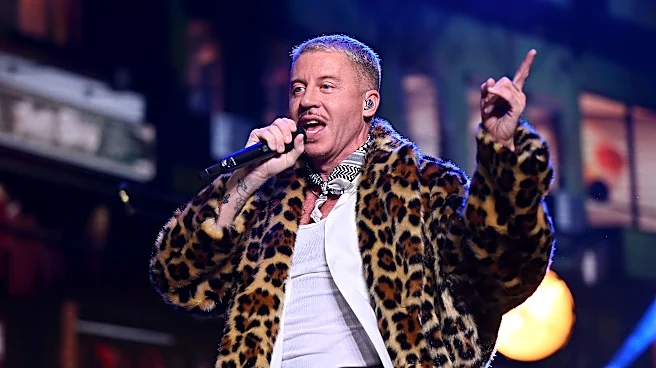
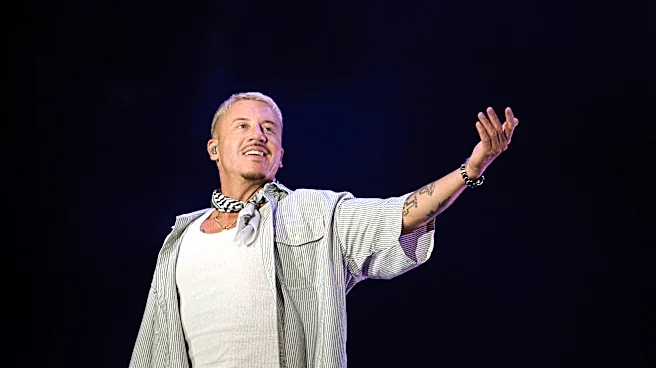
Rapper Macklemore is facing significant criticism and calls for his removal from Ed Sheeran's ongoing tour after making pro-Palestine statements and performing his song 'Hind's Hall' during his opening sets at MetLife Stadium in New Jersey. During his performance,
Macklemore criticized Israel's actions in Gaza and projected images of pro-Palestinian college encampments. This led to immediate backlash from groups like Stop Antisemitism, the Israeli-American Council, and the Anti-Defamation League, who accused him of using a mainstream event for political propaganda. The Israeli-American Council launched a petition urging Ed Sheeran to drop Macklemore from the remaining tour dates. Macklemore, however, doubled down on his stance in a subsequent performance, clarifying that his criticism of Israel is not directed at Jewish people and emphasizing his message of peace and equality for all human beings. He also extended his calls for liberation to other regions, including Lebanon, Cuba, Congo, Sudan, and against ICE in America.
Why It's Important?
This incident highlights the increasing intersection of celebrity platforms and geopolitical issues, particularly the Israeli-Palestinian conflict, within the U.S. entertainment landscape. Macklemore's use of a major concert stage to voice strong political opinions demonstrates how artists are leveraging their visibility to influence public discourse, potentially alienating some segments of their audience while galvanizing others. The swift and organized backlash from advocacy groups underscores the sensitivity and divisiveness of the issue, particularly within Jewish communities who often feel that criticism of Israel can cross into antisemitism. The pressure on Ed Sheeran to remove Macklemore from the tour also illustrates the commercial and reputational risks that artists and event organizers face when political statements are made at their events, forcing them to navigate complex ethical and business considerations. This situation reflects a broader trend where cultural events are becoming arenas for political expression and debate, impacting audience experience and potentially shaping public opinion on international conflicts.
What's Next?
The immediate future will likely see continued pressure on Ed Sheeran and his management to respond to the calls for Macklemore's removal from the tour. The Israeli-American Council's petition could gain further traction, potentially leading to more public statements or actions from other artists, advocacy groups, or even concertgoers. Macklemore is expected to continue his performances on the tour, which is scheduled to conclude its North American leg in November. It remains to be seen whether Sheeran or his team will issue a statement regarding the controversy or take any action. The incident may also prompt other artists and event organizers to re-evaluate their policies regarding political expression during performances, potentially leading to more explicit guidelines or restrictions to avoid similar controversies. The debate surrounding the distinction between criticism of Israel and antisemitism is also likely to intensify in public discourse.
Beyond the Headlines
This event delves into the complex and often contentious relationship between artistic freedom, political activism, and commercial interests in the U.S. It raises questions about the responsibilities of artists when using their platforms for political messaging and the expectations of audiences attending entertainment events. The controversy also touches upon the ongoing debate about what constitutes antisemitism versus legitimate criticism of Israeli government policies, a distinction that is increasingly blurred in public discourse. The incident could contribute to a chilling effect on artists who might fear professional repercussions for expressing controversial political views, or conversely, it could embolden others to use their platforms more assertively. Furthermore, it highlights the growing influence of social media and advocacy groups in shaping public opinion and exerting pressure on public figures and corporations, demonstrating how quickly a cultural event can transform into a significant political flashpoint.