







What's Happening?
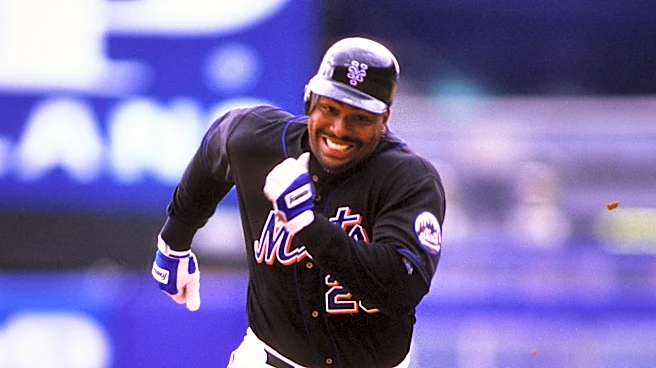
Every July 1, the New York Mets pay former player Bobby Bonilla $1.19 million, a tradition that began in 2011 and will continue until 2035. This arrangement stems from a 2000 agreement to buy out the remaining $5.9 million on Bonilla's contract, opting
instead for annual payments with 8% interest. The decision was influenced by the Mets' investment in a Bernie Madoff account, which promised high returns that ultimately did not materialize. This deferred payment strategy is not unique to Bonilla, as other MLB players like Max Scherzer and Manny Ramírez have similar arrangements. The Mets, under new owner Steve Cohen, have embraced this annual event, even considering celebrating it at Citi Field.
Why It's Important?
The Bobby Bonilla Day highlights the financial strategies within Major League Baseball, where deferred payments are used to manage team budgets and player contracts. This approach allows teams to maintain financial flexibility while compensating players over extended periods. For players, it provides long-term financial security. The practice has become more common, with high-profile players like Shohei Ohtani also opting for deferred contracts. This trend reflects broader financial strategies in sports management, impacting how teams allocate resources and manage salary caps.
What's Next?
As deferred contracts become more prevalent, MLB teams may continue to explore creative financial arrangements to attract and retain talent. The Mets' celebration of Bobby Bonilla Day could inspire other teams to embrace similar traditions, potentially enhancing fan engagement. Additionally, the ongoing use of deferred payments may influence future collective bargaining agreements, as players and teams negotiate terms that balance immediate compensation with long-term financial planning.