



What's Happening?
Soft adventure travel is emerging as a popular segment within the adventure tourism industry, characterized by activities such as hiking, kayaking, wildlife safaris, and cultural immersion. These experiences are designed to be accessible to individuals
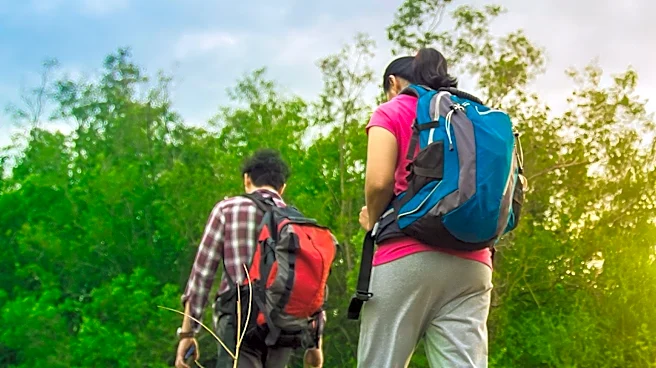
with varying fitness levels, requiring only reasonable preparation. According to Baltic Blues, soft adventures emphasize gentle terrain, manageable distances, and flexible pacing, making active travel enjoyable without the intensity of a sporting challenge. These tours often combine physical activities like walking or cycling with cultural sightseeing and authentic local experiences. They are typically organized for small groups, allowing for adaptability in routes, pacing, and activities while ensuring key highlights of each destination are covered. The focus is on experiencing the destination more intimately, rather than on extreme physical exertion or specialized equipment.
Why It's Important?
The rise of soft adventure travel signifies a shift in the tourism industry towards more inclusive and experience-driven offerings. This trend broadens the appeal of adventure travel beyond extreme sports enthusiasts, making it accessible to a wider demographic, including families, older travelers, and those seeking a more relaxed yet engaging vacation. For the U.S. tourism market, this could translate into increased demand for destinations that offer a blend of natural beauty and cultural richness, such as national parks, coastal regions, and historical sites. Businesses in the travel sector, including tour operators, accommodation providers, and local businesses, stand to gain from this trend by tailoring their services to cater to this growing market segment. It also promotes sustainable tourism practices by encouraging deeper engagement with local cultures and natural environments, potentially fostering economic benefits for local communities.
What's Next?
As soft adventure travel continues to grow, tour operators are likely to expand their offerings to include a wider variety of destinations and activities that cater to this demand. This could involve developing more customized itineraries that blend physical activity with unique cultural experiences, local food tours, and interactions with local communities. There may also be an increased focus on incorporating elements of wellness and mindfulness into these trips, aligning with broader lifestyle trends. Travel agencies and online platforms are expected to enhance their marketing efforts to highlight the accessibility and enriching nature of soft adventures, attracting a broader client base. Furthermore, destinations that can effectively showcase their natural beauty and cultural heritage in a way that aligns with the principles of soft adventure are likely to see a boost in tourism.
Beyond the Headlines
The growing popularity of soft adventure travel reflects a deeper societal desire for authentic experiences and a connection with nature and culture, moving away from purely passive tourism. This trend encourages travelers to step outside their comfort zones in a manageable way, fostering personal growth and new perspectives. Ethically, it promotes a more respectful and sustainable form of tourism, as small group sizes and a focus on local experiences can minimize environmental impact and support local economies more directly. Culturally, it facilitates cross-cultural understanding and appreciation by immersing travelers in local traditions and ways of life. This shift could lead to a long-term re-evaluation of what constitutes 'adventure' in travel, emphasizing enrichment and connection over adrenaline and extreme challenges, ultimately shaping a more conscious and responsible global tourism landscape.