

What's Happening?
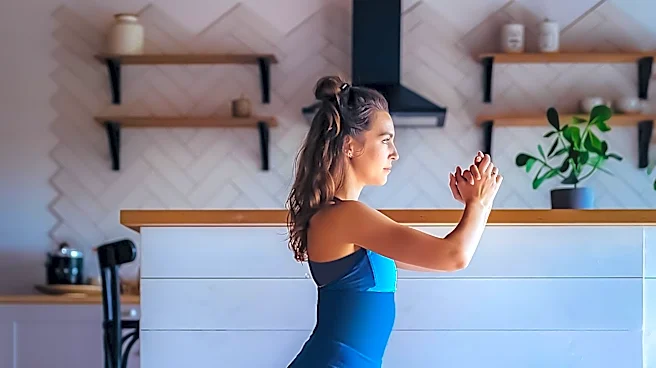
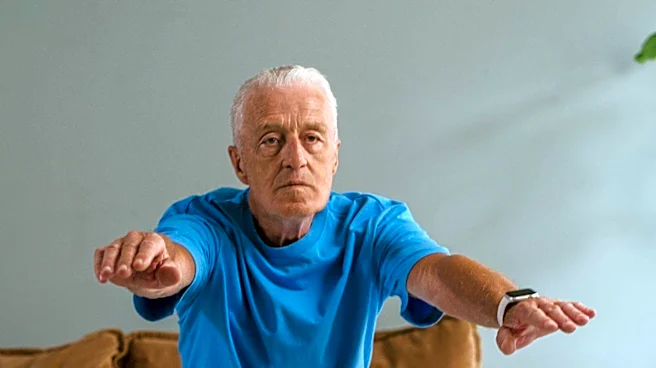
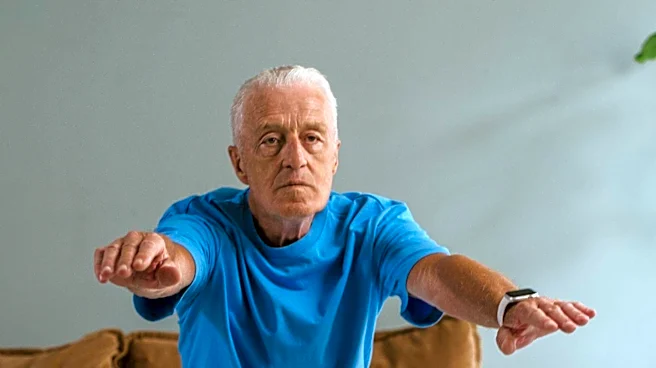
A fitness expert specializing in senior clients, Gideon Akande, has recommended five standing bodyweight exercises designed to build full-body strength and mobility for people of all ages, particularly older adults. These exercises include squat variations,
bicep curl to shoulder press, marching in place, cat-cow, and no-jumping jack side steps. Akande emphasizes that for seniors, strength training shifts from aesthetics to longevity, focusing on reducing muscle wastage, protecting against injuries, and building stronger bones. The exercises are designed to be low-impact and can be performed without special equipment, making them accessible for individuals who may struggle with floor exercises or gym access. He advises starting with a controlled warm-up and maintaining moderate intensity to prevent strain or injury.
Why It's Important?
The recommendations from Gideon Akande highlight a critical aspect of public health: maintaining functional strength and mobility as people age. With an increasing senior population, exercises that prevent muscle wastage and reduce the risk of falls and injuries are vital for improving quality of life and reducing healthcare burdens. These accessible bodyweight exercises offer a practical solution for individuals to stay active and independent, directly addressing common challenges faced by older adults. By focusing on functional movements that mimic daily tasks, these exercises can empower seniors to perform everyday activities with greater ease and confidence, thereby promoting overall well-being and potentially lowering long-term care costs. The emphasis on low-impact movements also makes fitness more inclusive for those with joint issues or limited mobility.
What's Next?
Individuals, particularly seniors and those returning to exercise, can incorporate these five standing bodyweight exercises into their daily routines. As strength improves, resistance can be gradually increased using tools like adjustable dumbbells. It is crucial for anyone exercising with an injury to seek personalized advice from a qualified professional before starting new routines. Fitness professionals and healthcare providers may integrate these types of accessible, functional exercises into their programs for older adults. The broader fitness industry may see a continued trend towards promoting functional strength and mobility, especially for aging populations, leading to more tailored programs and resources.
Beyond the Headlines
The focus on functional strength and mobility for seniors extends beyond physical health, impacting mental well-being and social engagement. Maintaining the ability to perform daily tasks independently can significantly boost self-esteem and reduce feelings of isolation. Furthermore, the accessibility of these exercises, requiring no special equipment, democratizes fitness, making it available to a wider demographic regardless of socioeconomic status or access to gyms. This approach could foster a cultural shift towards proactive health management and a greater appreciation for the long-term benefits of physical activity, potentially influencing public health campaigns and community-based fitness initiatives aimed at promoting active aging.