



What's Happening?
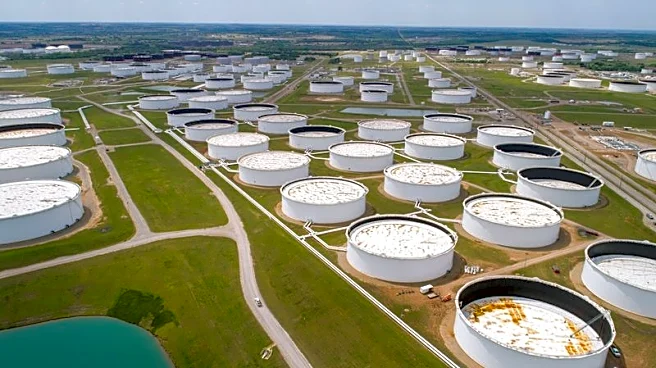
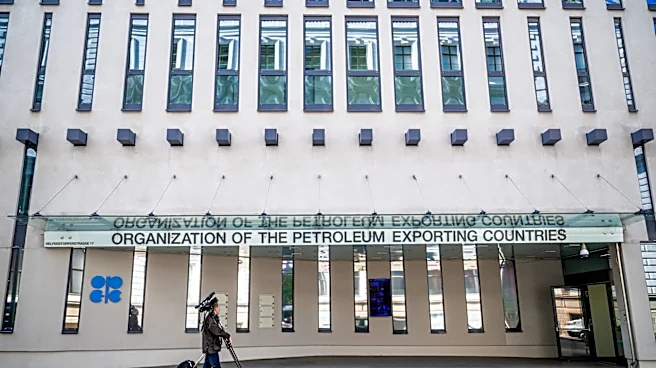
OPEC+ oil-producing countries have decided to maintain their current production targets for December, deferring any new policy adjustments until next year. This decision was made on Sunday, November 1, during a virtual meeting of seven core OPEC+ members:
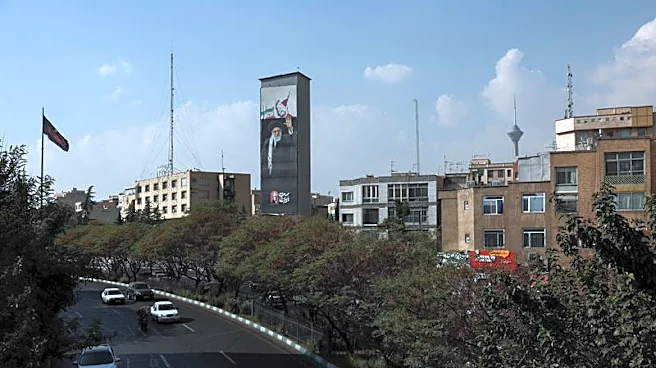
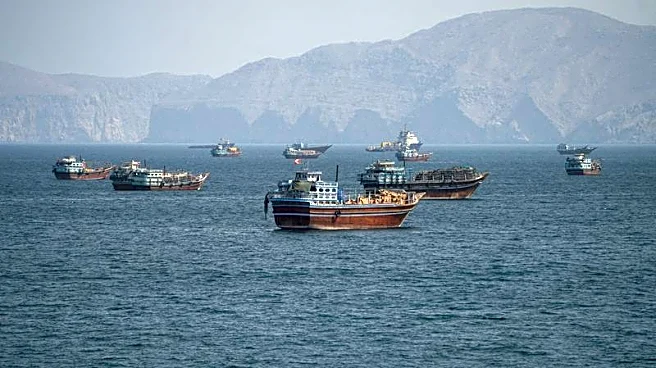
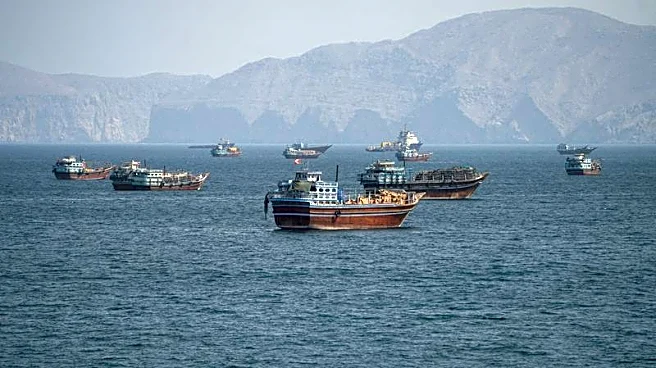
Saudi Arabia, Russia, Iraq, Kuwait, Algeria, Kazakhstan, and Oman. The group is grappling with significant export disruptions caused by the ongoing war involving Iran, which has affected oil flows despite Gulf countries ramping up exports. Many producers are currently operating below their allocated targets due to damaged infrastructure and unsafe shipping routes, particularly in the Strait of Hormuz. The alliance's 21 members are expected to reconvene on November 29 to discuss production quotas for 2027.
Why It's Important?
This decision by OPEC+ highlights the profound impact of geopolitical conflicts on global energy markets. The ongoing war involving Iran has severely constrained oil supply, leading to multi-year high international oil prices. For the U.S. and other consuming nations, this means continued inflationary pressures as fuel costs influence transportation, agriculture, and manufacturing expenses. The inability of OPEC+ members to meet even their existing quotas due to conflict-related disruptions underscores the vulnerability of global supply chains. While the U.S. is a significant oil producer, it remains susceptible to global price fluctuations, affecting consumer spending and industrial costs. The situation also emphasizes the strategic importance of the Strait of Hormuz, a critical chokepoint for global oil transit, whose disruption has far-reaching economic consequences.
What's Next?
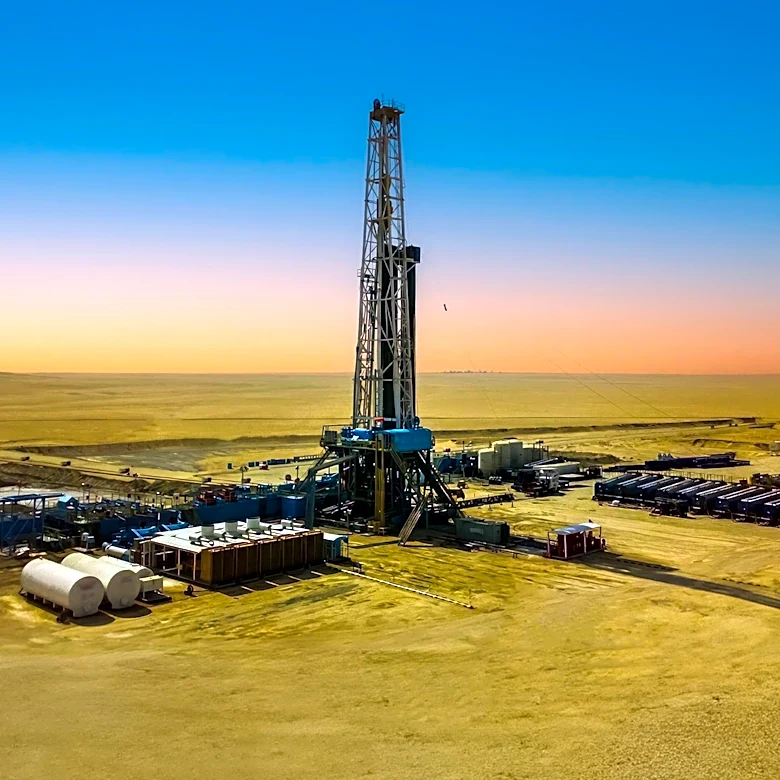
The 21 members of OPEC+ are scheduled to meet on November 29, where analysts anticipate a crucial decision regarding production quotas for 2027. This meeting will be particularly complex, as the group must reconcile immediate supply constraints with the potential for an oil surplus if Gulf exports normalize. According to Jorge Leon, an analyst at Rystad, the decision for the coming year is challenging due to uncertainties surrounding the U.S.-Iran conflict, the recovery of shipping through the Strait of Hormuz, and the scale of a potential oil surplus. The group also needs to complete an assessment of its members' production capacity by mid-November, which will form the basis for setting 2027 baseline levels and future quotas. The war in Iran has disrupted oil capacity expansion projects, adding further uncertainty to the region's future production potential.
Beyond the Headlines
The current situation exposes the limitations of OPEC+'s power to influence global oil markets solely through production quotas when geopolitical factors severely impede the ability to deliver oil to market. The war has not only reduced supply but also increased the cost of shipping and insurance, adding to inflationary pressures globally. The depletion of global oil inventories, particularly refined products, to near 2016 levels, indicates a deeper structural issue beyond just crude oil availability. This scenario could trigger long-term shifts in energy policy, potentially accelerating investments in alternative energy sources and diversifying supply chains to reduce reliance on volatile regions. The ethical dimension of profiting from war-induced supply shortages, even indirectly, also comes into focus, as some producers may benefit from higher prices while others struggle with export disruptions.