



What's Happening?
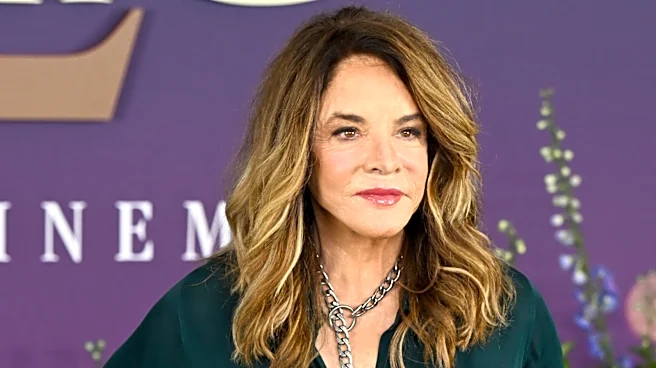
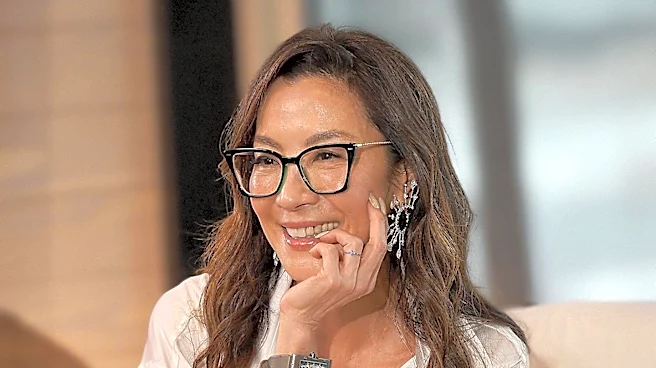
Michelle Yeoh's A-line haircut is being featured as a stylish and effective option for individuals with thin hair. Hairstylists recommend this daring cut to create the illusion of fullness and add dimension, preventing hair from lying flat. The A-line style,
characterized by being shorter in the back and gradually longer towards the front, is among several cuts highlighted by celebrity hairstylist Marc Ballance as beneficial for thin hair. Other recommended styles include bobs, lobs, long layers, and face-framing pieces, all aimed at enhancing volume and movement. The focus is on strategic cutting techniques that maintain density while adding style, offering solutions for those seeking to elevate their look with low-effort maintenance.
Why It's Important?
This trend is significant for the beauty and personal care industry, particularly for salons and hair product manufacturers targeting consumers with thin hair. By showcasing celebrity styles like Michelle Yeoh's, it influences consumer choices and drives demand for specific haircuts and styling products designed to add volume and texture. For individuals, it provides practical and aesthetically pleasing solutions to common hair concerns, potentially boosting confidence and satisfaction with their appearance. The emphasis on 'low-effort' styles also caters to a broader demographic seeking convenient yet fashionable hair solutions, reflecting a shift in lifestyle preferences towards efficiency without compromising on style. This can lead to increased sales for products that support these styles, such as volumizing mousses, texturizing sprays, and specialized shampoos.
What's Next?
The continued promotion of celebrity-inspired hairstyles for thin hair is likely to influence upcoming trends in salons and beauty publications. Hairstylists may see an increased demand for A-line cuts and similar volume-enhancing styles. Product developers in the haircare industry are expected to innovate and market more products specifically formulated to support these looks, focusing on ingredients that add body and thickness without weighing hair down. Beauty influencers and media outlets will likely continue to feature tutorials and product recommendations for achieving these styles, further solidifying their popularity. Consumers with thin hair can anticipate a wider array of styling options and products tailored to their specific needs.
Beyond the Headlines
Beyond the immediate trend, the focus on specific haircuts for thin hair reflects a broader societal emphasis on personalized beauty solutions and inclusivity in beauty standards. It acknowledges that not all hair types are the same and that tailored approaches are necessary for optimal results. This movement away from one-size-fits-all beauty ideals encourages individuals to embrace their natural hair characteristics while seeking styles that enhance their unique features. It also highlights the influence of celebrity culture on personal grooming choices, where public figures like Michelle Yeoh inadvertently become style icons, shaping consumer preferences and driving market trends in the beauty sector. This also subtly promotes a more realistic and achievable beauty standard for many.