






What's Happening?
Coinbase has issued a statement reassuring its clients that their assets are safe, addressing recent rumors that artificial intelligence (AI) advancements could compromise modern encryption. The company stated in a blog post that it does not believe any AI breakthrough
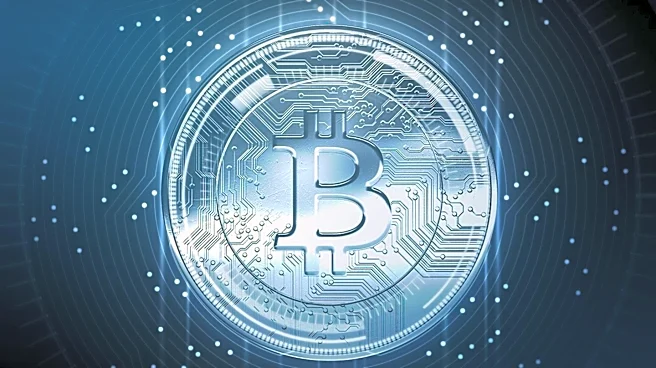
poses an immediate, practical threat to the cryptographic systems currently in use. Specifically, Coinbase dismissed unconfirmed rumors about an AI lab discovering a quick method to factor large numbers, which would theoretically break RSA encryption. While AI-assisted researchers recently published a minor factoring improvement, Coinbase clarified that this affects RSA, an encryption method not utilized in blockchains. The exchange emphasized that no one has publicly demonstrated a practical breach of any major blockchain's signature system, reinforcing the security of Bitcoin and other cryptocurrencies on its platform.
Why It's Important?
This announcement from Coinbase is crucial for maintaining investor confidence in the cryptocurrency market, particularly given the increasing integration of AI into various technological sectors. Rumors about AI cracking encryption could lead to significant market instability and erode trust in digital assets, which rely heavily on cryptographic security. By proactively addressing these concerns, Coinbase aims to prevent panic selling and reassure its user base about the robustness of blockchain technology. The distinction between RSA encryption and the cryptographic methods used in blockchains is vital, as it clarifies that even if RSA were compromised, it would not directly impact the security of most cryptocurrencies. This helps to educate the public and mitigate misinformation that could have far-reaching financial implications for the digital asset ecosystem.
What's Next?
Coinbase will likely continue to monitor developments in AI and cryptography, providing updates to its users as necessary. The company's proactive communication strategy suggests an ongoing commitment to transparency regarding security threats. Other cryptocurrency exchanges and blockchain platforms may follow suit, issuing similar statements to reassure their own client bases. The broader tech community, including venture capitalists like Chamath Palihapitiya, will continue to debate the long-term implications of AI on cryptographic security, potentially leading to further research and discussions on the resilience of current encryption standards against future AI capabilities. This ongoing dialogue will shape future security protocols and investment strategies within the digital asset space.
Beyond the Headlines
The rumors surrounding AI's potential to crack encryption highlight a growing concern about the intersection of rapidly advancing technologies and fundamental security infrastructure. This scenario underscores the ethical and legal dimensions of AI development, particularly regarding its potential misuse or unintended consequences on global financial systems. The debate also touches upon the long-term viability of current cryptographic standards, prompting questions about the need for quantum-resistant encryption methods. While current AI capabilities may not pose an immediate threat, the discussion serves as a wake-up call for continuous innovation in cybersecurity and a deeper understanding of how emerging technologies could reshape the digital landscape, affecting everything from personal privacy to national security.