






What's Happening?
Employers utilizing Artificial Intelligence (AI) tools in recruitment and hiring processes face significant legal risks due to the potential for 'disparate impact' on protected groups, even if the tools appear neutral. The U.S. Equal Employment Opportunity
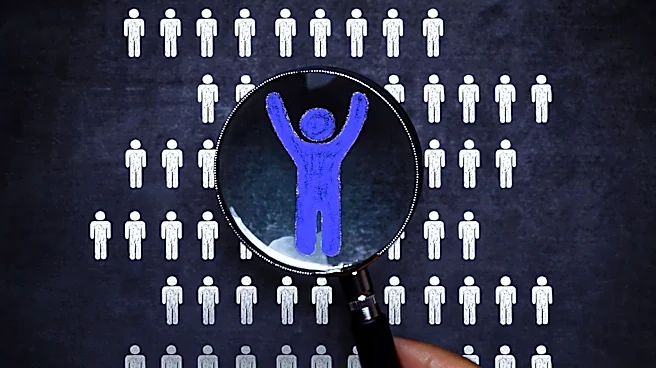
Commission (EEOC) has identified AI and automated systems as potential sources of employment discrimination, emphasizing that federal employment discrimination laws, including Title VII of the Civil Rights Act of 1964 and the Americans with Disabilities Act (ADA), apply to these technologies. AI tools, such as resume screeners, video assessments, and chatbots, can unintentionally disadvantage candidates based on factors like job titles, schools, work history, tone, eye contact, or speech patterns. These seemingly neutral criteria can disproportionately exclude individuals from protected groups, such as older applicants, those with disabilities, or certain racial or ethnic backgrounds, leading to compliance risks for employers.
Why It's Important?
The widespread adoption of AI in hiring, while offering efficiency, introduces complex legal and ethical challenges for U.S. businesses. The potential for AI tools to create disparate impact means that companies could inadvertently violate federal anti-discrimination laws, leading to costly lawsuits, reputational damage, and regulatory scrutiny. This issue is particularly critical as AI models often learn from historical hiring data, which may embed existing biases and perpetuate them at scale. Employers must understand that outsourcing hiring processes to third-party AI vendors does not absolve them of legal responsibility. The need for human oversight, validation studies, and continuous monitoring of AI outcomes becomes paramount to ensure fairness and compliance. This situation underscores the urgent need for businesses to develop robust strategies for evaluating, implementing, and auditing AI hiring tools to mitigate bias and ensure equitable opportunities for all applicants.
What's Next?
Employers are advised to take proactive steps to reduce AI hiring bias. This includes creating a clear inventory of all automated hiring tools used, mapping their impact on the candidate journey, and continuously monitoring hiring outcomes for adverse impact. It is crucial to keep humans in the loop, ensuring that recruiters and hiring managers understand the limitations of AI tools and can intervene when necessary. Employers should also review vendor documentation, including validation studies and audit reports, and be prepared to demonstrate how the tools measure job-related criteria. Providing reasonable accommodation pathways for applicants with disabilities before using AI-enabled assessments is also essential. The EEOC's focus on this area suggests that regulatory enforcement and guidance will likely increase, prompting businesses to prioritize ethical AI implementation and compliance in their recruitment strategies.
Beyond the Headlines
The challenge of AI bias in hiring extends beyond legal compliance, touching upon broader societal implications regarding fairness, equity, and the future of work. If left unchecked, biased AI systems could exacerbate existing inequalities, creating systemic barriers for certain demographic groups in accessing employment opportunities. This could lead to a less diverse workforce, stifle innovation, and undermine social mobility. The reliance on AI for critical decisions like hiring also raises ethical questions about algorithmic transparency and accountability. Who is responsible when an AI makes a discriminatory decision? The development of 'explainable AI' (XAI) and robust auditing mechanisms will be crucial to build trust and ensure that AI tools serve as enablers of opportunity rather than perpetuators of bias. This issue highlights the need for interdisciplinary collaboration between legal experts, AI developers, ethicists, and HR professionals to design and implement AI solutions that are both efficient and just.