







What's Happening?
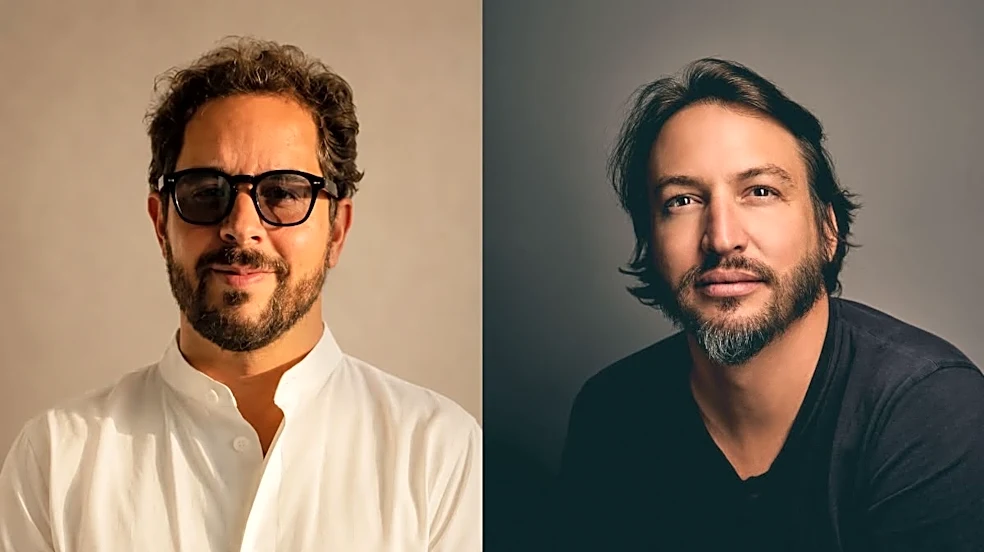
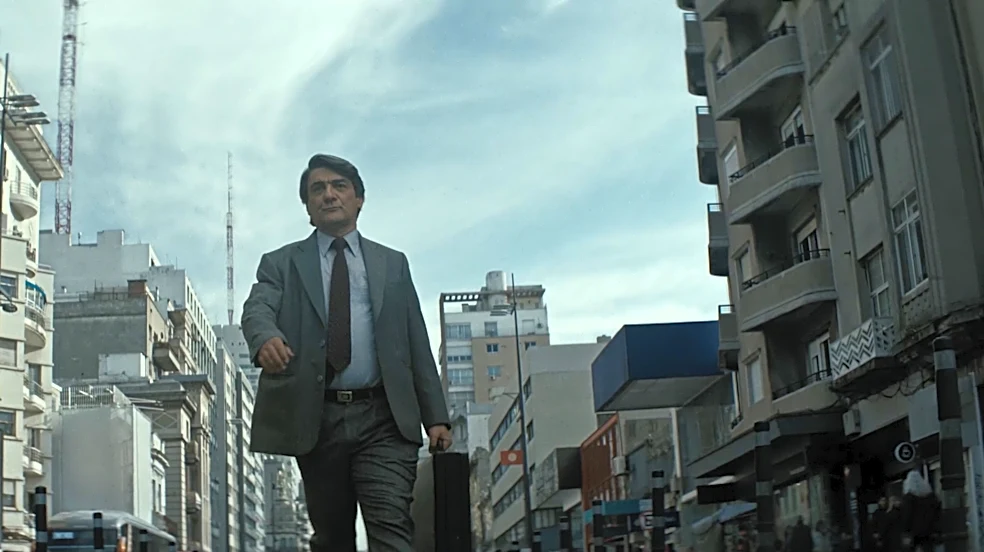
Javier Bardem is set to lend his voice and image to 'Néstor,' a new documentary film focusing on the life and legacy of Néstor Almendros, the acclaimed Spanish cinematographer. Almendros was the first Spaniard to win an Academy Award for Best Cinematography
for his work on Terrence Malick's 'Days of Heaven.' The documentary, directed by Laurent Bouzereau, will explore Almendros's artistic contributions and his personal journey, which was shaped by significant 20th-century political and cultural events. The film will delve into his experiences with the Spanish Civil War, Franco's dictatorship, the Cuban Revolution, and the persecution of homosexuals under the Castro regime. It will also cover his influential role in the French New Wave cinema and his later career in Hollywood, where he received multiple Oscar nominations. The production of 'Néstor' is a Spanish-American co-production, with J. A. Bayona also serving as a producer. Filming will take place in various locations crucial to Almendros's life, including Barcelona, Paris, London, New York, and Cuba.
Why It's Important?
This documentary is significant as it aims to reintroduce Néstor Almendros to a broader audience, highlighting his profound impact on cinematic language and his courageous stance on freedom. Almendros's story is not just about his technical mastery of light in film but also about his resilience in the face of political repression and his advocacy for LGBTQ+ rights. His life trajectory, marked by exile and persecution, offers a powerful narrative of an artist who consistently sought artistic, political, and personal freedom. By featuring Javier Bardem, a globally recognized actor, the documentary is likely to attract substantial attention, ensuring that Almendros's legacy reaches new generations of filmmakers and cinephiles. The film's international scope, with filming locations across multiple continents, underscores the global reach of Almendros's influence and the universal themes of his life story. This project also reinforces the importance of preserving and celebrating the contributions of pioneering artists who have shaped the landscape of world cinema.
What's Next?
The production of 'Néstor' has commenced, with filming scheduled to occur over several months in key locations that defined Almendros's life and career. Once completed, the documentary will be distributed in Spanish cinemas by A Contracorriente, with Movistar Plus participating in the project. The involvement of prominent figures like J. A. Bayona and Javier Bardem suggests that the film will likely be submitted to international film festivals, potentially gaining further global exposure and critical acclaim. The documentary's release will likely spark renewed interest in Almendros's filmography and his contributions to cinematography, potentially leading to retrospectives and academic discussions about his work. Furthermore, the film's exploration of Almendros's political and personal struggles may contribute to ongoing conversations about artistic freedom, human rights, and the historical persecution of LGBTQ+ individuals in various political contexts.
Beyond the Headlines
Beyond celebrating a cinematic master, 'Néstor' delves into the complex interplay between art, politics, and personal identity. Almendros's life serves as a poignant reminder of how political upheavals and societal prejudices can profoundly shape an artist's journey and output. His experiences in Francoist Spain, revolutionary Cuba, and the vibrant yet turbulent Paris of May '68, followed by his career in Hollywood, illustrate a relentless pursuit of authenticity and freedom. The documentary's focus on his persecution as a homosexual under the Castro regime and his eventual death from AIDS in New York highlights the broader historical context of the AIDS epidemic and the silence that often surrounded it. By bringing Almendros's story to light, the film not only honors his artistic genius but also sheds light on the ethical imperative to remember and learn from historical injustices, particularly those faced by marginalized communities. This narrative can foster a deeper appreciation for the courage required to create art and live authentically in challenging times.