




What's Happening?
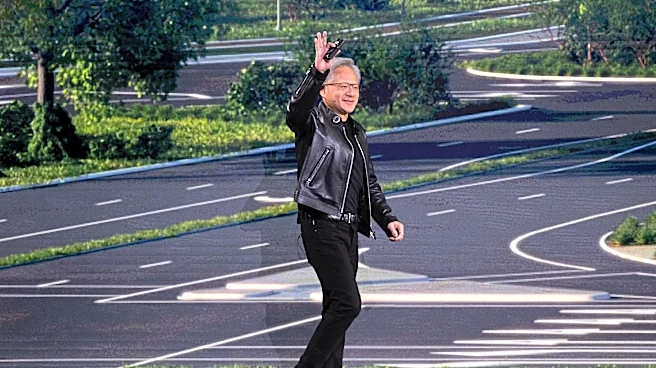
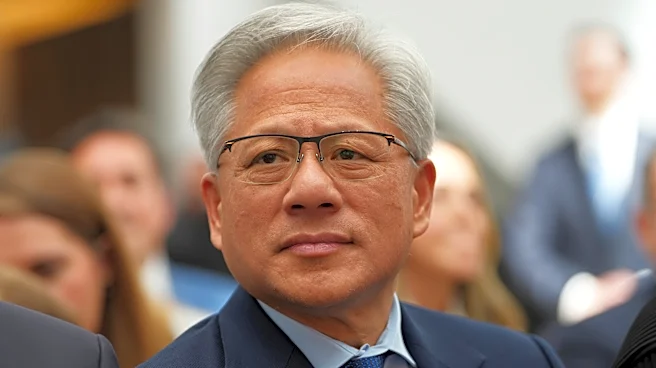
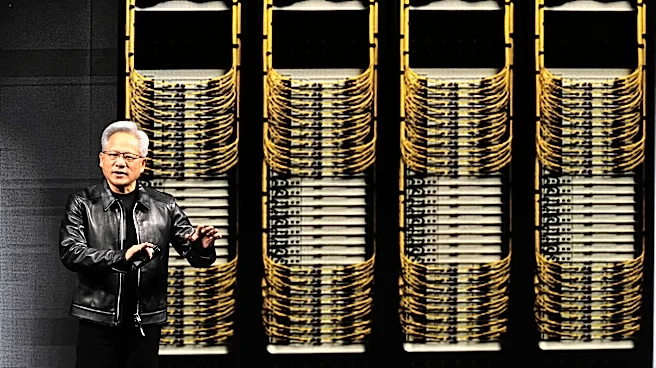
The board of Nvidia, a leading artificial intelligence computer chip company, has initiated an investigation into its CEO, Jensen Huang. This action follows Huang's admission of an affair with an individual suspected of being a Chinese spy. The revelation
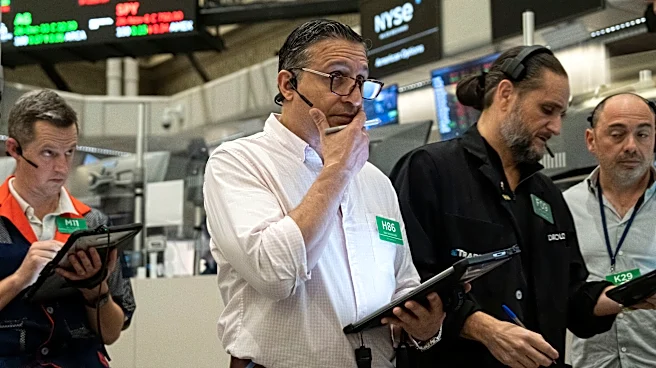
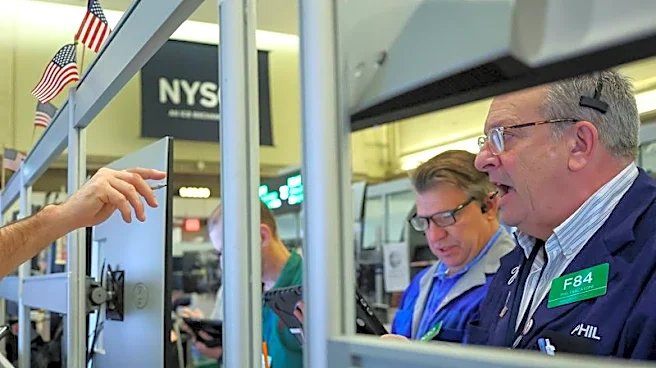
has drawn significant attention due to Huang's prominent position in the rapidly expanding AI industry and his close association with President Trump. Senator Chris Coons (D-Delaware) has publicly stated concerns regarding the relationship between the Trump Administration, Chinese intelligence, and AI billionaires, indicating that Congress intends to investigate the matter further. Reports suggest that President Trump was aware of the affair approximately a year prior to the board's investigation but did not take any action. Nvidia's stock experienced a 5% drop in early trading following these reports.
Why It's Important?
This investigation carries substantial implications for national security, corporate governance, and the burgeoning artificial intelligence sector. Jensen Huang's leadership at Nvidia places him at the forefront of a critical technology that has significant economic and strategic importance for the United States. An alleged affair with a suspected foreign intelligence operative raises serious concerns about potential espionage, intellectual property theft, and undue influence on a key U.S. technology company. The involvement of a suspected Chinese spy highlights the ongoing geopolitical competition in technological dominance, particularly in AI. Furthermore, the reported prior knowledge of President Trump without subsequent action could lead to broader political scrutiny regarding the administration's handling of national security risks involving high-profile business leaders. The stock market reaction indicates investor apprehension about potential disruptions or reputational damage to Nvidia.
What's Next?
The Nvidia board's investigation will likely delve into the specifics of the affair, assessing any potential breaches of company policy, security protocols, or national security implications. Congressional inquiry, as indicated by Senator Coons, is also expected, which could involve subpoenas and testimonies from relevant parties, including Huang and potentially former administration officials. This could lead to a broader examination of the relationships between U.S. tech executives, foreign entities, and government oversight. Depending on the findings, Huang could face disciplinary action from the board, ranging from reprimand to termination. The incident may also prompt increased scrutiny and stricter regulations regarding the personal conduct and foreign contacts of executives in critical technology sectors, especially those with government ties or access to sensitive information.
Beyond the Headlines
This incident transcends a typical corporate scandal, touching upon the complex interplay of personal conduct, corporate responsibility, and national security in an era of intense technological competition. It highlights the vulnerabilities that can arise when key figures in strategic industries are compromised, intentionally or unintentionally. The alleged involvement of a Chinese spy underscores the sophisticated methods employed by foreign adversaries to gain intelligence and influence. Ethically, it raises questions about the duties of corporate leaders to maintain impeccable conduct, especially when their companies are vital to national interests. Legally, it could trigger discussions about the scope of government oversight over private sector executives in sensitive fields. Culturally, it may fuel public debate about the intersection of personal lives and professional responsibilities for those holding significant power and access in critical sectors like AI, potentially leading to a re-evaluation of vetting processes for industry leaders.