







What's Happening?
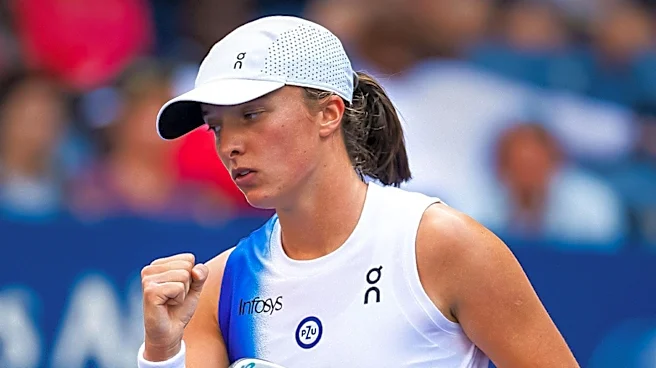
Iga Swiatek, a six-time Grand Slam champion, has opened up about the emotional toll of criticism, particularly from journalists and tennis experts. During an appearance on American skier Mikaela Shiffrin's podcast, 'What's the Point,' Swiatek explained
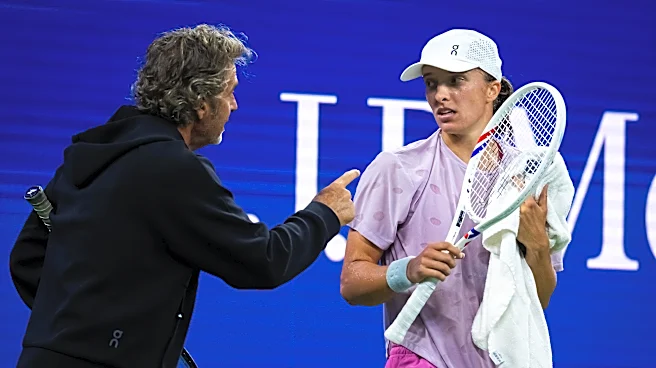
that while she can understand negative comments from fans, criticism from those within the tennis world, who she believes haven't experienced life on the professional tour, is more painful. She highlighted the responsibility of experts to analyze the sport accurately and expressed frustration over what she perceives as 'mean and judgey' remarks that can influence public opinion. Swiatek has previously addressed similar scrutiny from Polish journalists regarding her performances, coaching decisions, and relationship with sports psychologist Daria Abramowicz, labeling some domestic media stories as 'ridiculous' and 'clickbait.'
Why It's Important?
Swiatek's comments shed light on the significant mental and emotional pressures faced by elite athletes, even those at the pinnacle of their sport. Her distinction between fan criticism and expert criticism underscores a broader issue within professional sports: the perceived authority and impact of media analysis. When athletes feel that 'experts' lack a fundamental understanding of their experiences, it can erode trust and make constructive feedback difficult to receive. This dynamic can affect an athlete's mental well-being and potentially influence their performance. For the tennis world, it raises questions about the role and responsibility of sports journalism and punditry, particularly in how it shapes narratives and public perception around top players. The discussion also highlights the growing trend of athletes using their platforms to address personal challenges and connect with fans on a more human level.
Beyond the Headlines
The conversation between Swiatek and Shiffrin also revealed a close friendship between the two athletes, despite their different sports. Their bond, which began online in 2021 after Swiatek cited Shiffrin as a role model, illustrates the shared experiences and pressures faced by young, successful athletes in the public eye. Both have navigated high expectations and intense scrutiny, finding mutual support in their shared understanding of elite competition's demands. This friendship transcends national and sporting boundaries, offering a glimpse into how athletes cope with the unique challenges of their careers through peer connections. It also subtly critiques the often-isolated nature of individual sports, suggesting that solidarity among competitors can be a powerful tool for resilience and mental health.