






What's Happening?
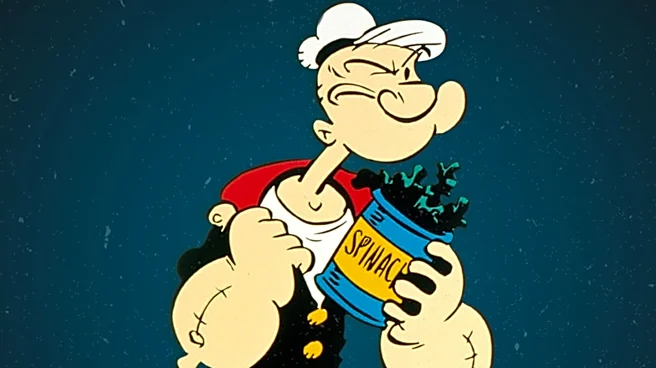
Randy Milholland has introduced a new character, Murderclaw the tiger, as Mr. Jack’s roommate in a recent installment of the Popeye comic strip. This development is part of a broader trend observed in 'This Week in Comic Strip Land,' where several cartoonists
are featuring tiger characters or bringing back older characters. For instance, Liniers is adapting William Blake’s 'The Tyger' in Macanudo, and Samkin is adopting a tiger named Chesterton in 'The Saga of Brann Bjornson.' Additionally, Dee Parson has reintroduced Ana from his earlier comic strip 'Life With Kurami' into his current strip, 'Rosebuds.' The article also notes the continued presence of Gary Hallgren's initials in 'Hagar the Horrible,' indicating his ongoing ghosting work.
Why It's Important?
The introduction of new characters and the revival of old ones in established comic strips like Popeye are significant for maintaining reader engagement and evolving the narratives of long-running series. For cartoonists like Randy Milholland, these creative decisions can inject fresh perspectives and humor, potentially attracting new audiences while retaining loyal fans. The trend of featuring tigers, as noted across multiple strips, could indicate a shared cultural zeitgeist or simply a coincidental thematic alignment among creators. This continuous innovation and homage to past works are crucial for the vitality of the comic strip industry, ensuring its relevance in contemporary media landscapes and reflecting broader artistic trends within the medium.
What's Next?
Readers can anticipate further developments in the Popeye comic strip as Murderclaw the tiger integrates into Mr. Jack’s life, potentially leading to new storylines and comedic situations. The ongoing thematic exploration of tigers in various comic strips suggests that this motif might continue to appear in different forms, offering diverse interpretations and narratives. Cartoonists will likely continue to experiment with character introductions and revivals to keep their strips dynamic and engaging. The continued observation of such trends by publications like 'The Daily Cartoonist' will provide ongoing insights into the creative directions and health of the comic strip industry, highlighting how artists adapt and innovate within established formats.
Beyond the Headlines
The subtle interplay between tradition and innovation in comic strips, as exemplified by Randy Milholland's new character and the broader trend of character revivals, speaks to the enduring appeal and adaptability of the medium. Comic strips often serve as a cultural barometer, reflecting societal interests and artistic currents. The reintroduction of characters or themes can evoke nostalgia while simultaneously offering contemporary relevance, bridging generational gaps among readers. This dynamic process ensures that comic strips remain a vibrant form of storytelling, capable of both honoring their rich history and exploring new creative territories, thereby contributing to the broader tapestry of American popular culture and artistic expression.