




What's Happening?
The global outdoor living structure market is experiencing significant growth, with projections indicating an increase from $7.36 billion in 2025 to $10.02 billion by 2030, at a compound annual growth rate (CAGR) of 6.4%. This expansion is driven by a rising
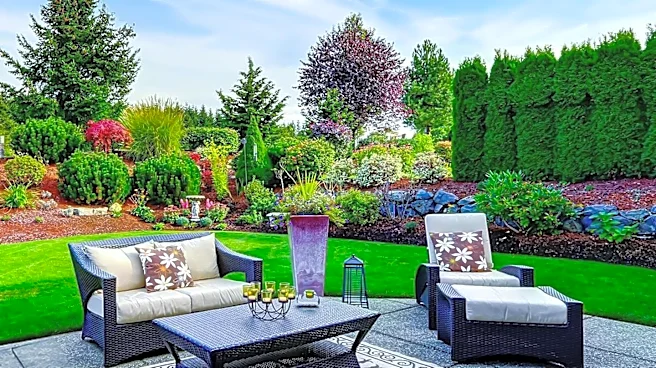
interest in outdoor lifestyles, wellness-focused environments, and the desire for seamless indoor-outdoor living spaces. Historically, the market has been bolstered by the widespread use of patios and garden structures for residential leisure, increased backyard landscaping activities, and sustained spending on home improvement projects. Urbanization has also played a role, encouraging property owners to optimize compact outdoor areas. The demand for various outdoor structures such as pergolas, gazebos, patio covers, pavilions, arbors, and cabanas has surged as consumers seek shade, shelter, and additional living space. Furthermore, the hospitality sector's expansion of outdoor dining and seating infrastructure has contributed to market demand. North America was identified as the largest region in this market in 2025, supported by high levels of home improvement spending and established backyard living trends.
Why It's Important?
This growth signifies a substantial shift in consumer priorities towards enhancing residential and commercial outdoor spaces, reflecting a broader trend in lifestyle and property investment. The increasing demand for customizable and modular outdoor structures indicates that consumers are looking for solutions that not only complement their existing architecture but also improve year-round usability. This trend creates significant opportunities for manufacturers and installers of outdoor living products, as homeowners are increasingly directing renovation budgets towards outdoor areas that boost functionality, visual appeal, and property value. The market's expansion also highlights the economic impact of home improvement and renovation activities, which remain a major growth driver. With elevated borrowing costs and the mortgage rate lock-in effect, many homeowners are opting to upgrade their current properties rather than relocate, channeling investments into outdoor enhancements. This sustained investment trend underscores the importance of the outdoor living sector as a key component of the broader home improvement industry.
What's Next?
Future market growth is anticipated to be propelled by continued rising interest in outdoor lifestyles and wellness-focused environments. Consumers will likely seek more sophisticated outdoor kitchens, entertainment areas, cabanas, and automated shade systems, particularly within luxury residential construction and premium landscaping projects. The market is expected to see further innovation in modular and customizable designs, as well as the integration of smart technologies and sustainable materials. Asia-Pacific is forecast to be the fastest-growing region through 2030, driven by urban development, residential construction, hospitality investment, and increasing consumer spending in the region. This geographical shift suggests that companies in the outdoor living structure market will need to adapt their strategies to cater to diverse regional demands and capitalize on emerging markets. The ongoing trend of homeowners investing in their existing properties rather than moving is expected to sustain demand for outdoor renovations, ensuring continued opportunities for market players.
Beyond the Headlines
The surge in the outdoor living structure market reflects a deeper cultural shift towards valuing personal outdoor spaces as extensions of the home, blurring the lines between indoor and outdoor living. This trend is not merely about aesthetics but also about functionality, wellness, and sustainability. The emphasis on customizable and modular designs points to a consumer desire for personalization and adaptability, allowing homeowners to tailor their outdoor environments to specific needs and preferences. Furthermore, the integration of smart controls and sustainable materials in outdoor structures indicates a growing awareness of environmental impact and a demand for eco-friendly solutions. This evolution suggests that outdoor living spaces are becoming more than just recreational areas; they are transforming into integral parts of a holistic living experience, contributing to mental well-being and property value. The market's growth also highlights the resilience of the home improvement sector, even amidst economic fluctuations, as homeowners prioritize investments that enhance their quality of life and property utility.