




What's Happening?
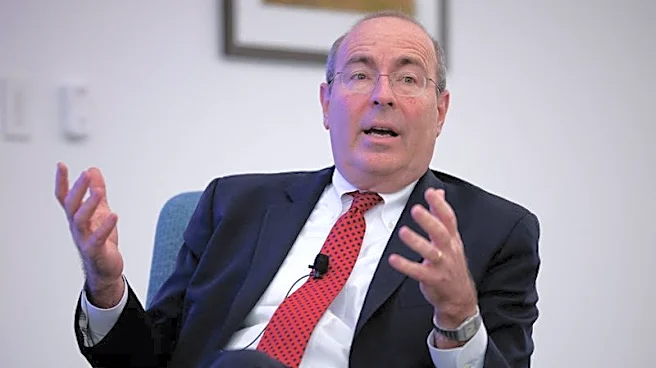
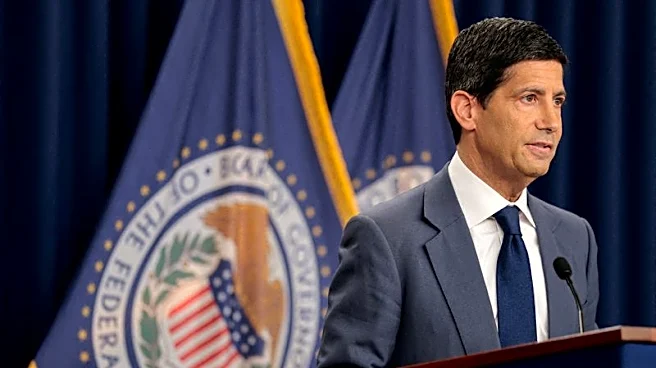
Several US Federal Reserve officials have publicly emphasized the ongoing need for further interest rate hikes to combat high inflation rates, despite the central bank's recent decision to keep short-term borrowing costs unchanged. Lorie Logan, President
of the Federal Reserve Bank of Dallas, described current price pressures as 'unacceptable' and indicated that the Federal Open Market Committee (FOMC) might need to implement at least two more 25-basis-point interest rate increases. Thomas Barkin, President of the Federal Reserve Bank of Richmond, echoed this sentiment, stating that the 'future path for interest rate hikes is quite clear' given high inflation, strong demand, and low unemployment. The decision to hold rates steady at 3.75% to 4% during the recent meeting was influenced by market volatility and a desire to allow the public to adapt to higher borrowing costs, according to Logan. The Fed's last rate hike was in September, as it continues its effort to bring inflation down to its 2% target.
Why It's Important?
These statements from Federal Reserve officials signal a continued hawkish stance, indicating that the period of monetary tightening is likely not over. This has significant implications for the U.S. economy, as further rate hikes would increase borrowing costs for consumers and businesses, potentially impacting spending, investment, and job growth. For financial markets, the prospect of additional rate increases can lead to volatility, particularly in sectors sensitive to interest rates like housing and technology. Investors will closely monitor upcoming economic data, especially inflation reports, to gauge the likelihood and timing of future Fed actions. The Fed's commitment to its 2% inflation target, even at the risk of slowing economic activity, underscores the central bank's primary focus on price stability.
What's Next?
Traders and investors are now focusing on the Federal Reserve's December meeting as the next potential opportunity for an interest rate adjustment. The upcoming release of the October consumer price index (CPI) data on November 10 will be a critical factor influencing market expectations and the Fed's decision. While some market participants have seen a slight easing in expectations for a December hike, the general sentiment still leans towards a potential increase in short-term borrowing costs. The December meeting is also significant because the central bank will release its own projections for growth, unemployment, and interest rates, providing a clearer picture of its outlook. Speeches by individual central bankers and labor market data will continue to be closely watched for further clues regarding the Fed's future policy direction.
Beyond the Headlines
The divergence of opinions within the Federal Reserve, with some officials advocating for immediate hikes while the committee opted for a pause, highlights the complex challenges in monetary policy. This internal debate reflects the difficulty of interpreting economic signals and forecasting future inflation trends. The Fed's strategy of a 'gradual approach' to rate hikes, as mentioned by Thomas Barkin, suggests a desire to avoid abrupt market shocks while still addressing inflation. However, this approach also means that the economy will continue to operate under the shadow of potential future rate increases, which could influence long-term investment decisions and consumer behavior. The emphasis on allowing the public to adapt to higher borrowing costs also points to the Fed's consideration of the broader societal impact of its policies, beyond just economic indicators.