




What's Happening?
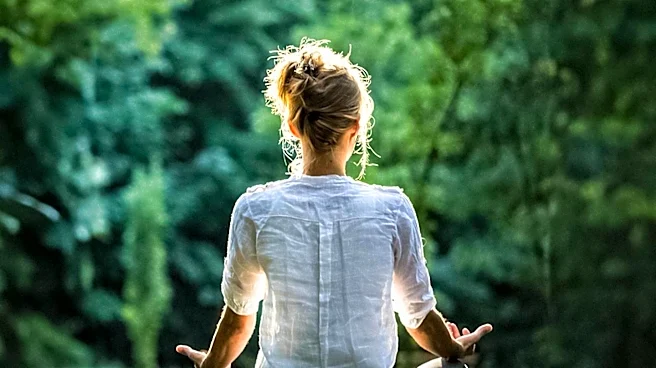
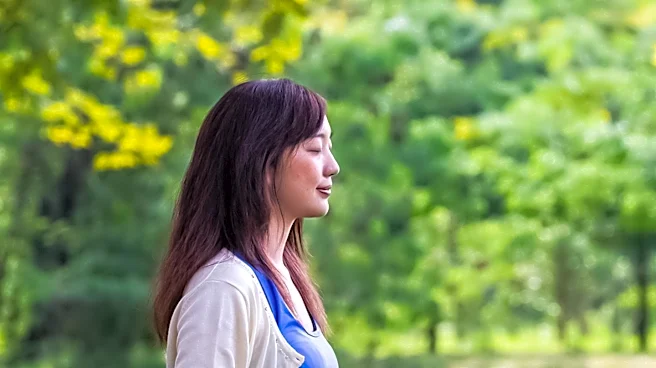
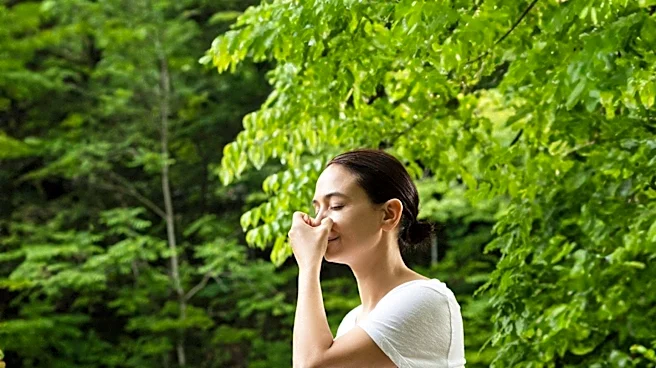
Forest bathing, derived from the Japanese practice of shinrin-yoku, involves spending intentional, calm time in a forest or natural setting to engage the senses and promote relaxation. This practice is gaining attention for its potential health benefits,
particularly in reducing stress and improving mood. Medical evidence suggests that while forest bathing may not cure diseases, it can support overall well-being by helping to lower stress levels and enhance mood. The practice typically involves slow, mindful engagement with the natural environment, focusing on sights, sounds, and physical sensations. It is considered a complementary wellness habit rather than a replacement for medical treatment.
Why It's Important?
The significance of forest bathing lies in its potential to offer a low-risk, accessible method for stress reduction, which is crucial given the impact of stress on both mental and physical health. Persistent stress can affect sleep, concentration, mood, and cardiovascular health. By providing a natural setting with reduced sensory overload, forest bathing may help individuals shift from a prolonged stress response to a calmer state. This practice could be particularly beneficial for those experiencing mild stress-related symptoms, offering a supportive role alongside standard medical care. However, it is important to recognize its limitations and not view it as a standalone treatment for serious health conditions.
What's Next?
As interest in forest bathing grows, it may become more integrated into wellness programs and lifestyle approaches aimed at stress management. Individuals interested in this practice should consider incorporating it into a broader health plan that includes regular exercise, healthy sleep habits, and professional medical care when necessary. Future research may continue to explore the specific mechanisms through which forest bathing affects stress and mood, potentially leading to more tailored recommendations for its practice.
Beyond the Headlines
Forest bathing highlights a broader cultural shift towards recognizing the importance of nature in promoting mental and physical health. This practice encourages a reconnection with natural environments, which can be particularly valuable in urban settings where access to green spaces is limited. It also underscores the growing interest in holistic and integrative approaches to health, which prioritize preventive care and lifestyle modifications alongside traditional medical treatments.