







What's Happening?
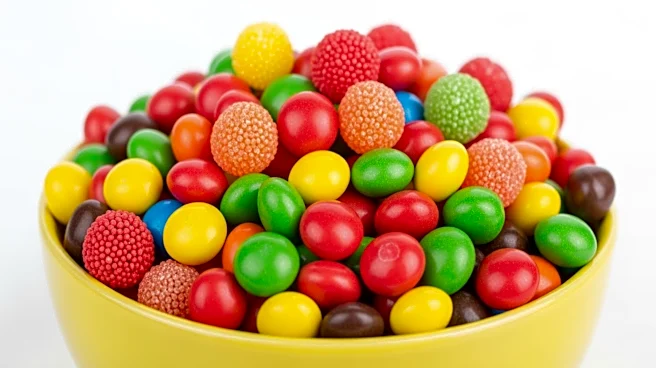
M&M's, a popular candy brand, is set to launch a new version of its candies without artificial dyes starting in August, coinciding with its 85th anniversary. This change is part of the 'Make America Healthy Again' movement, which encourages healthier
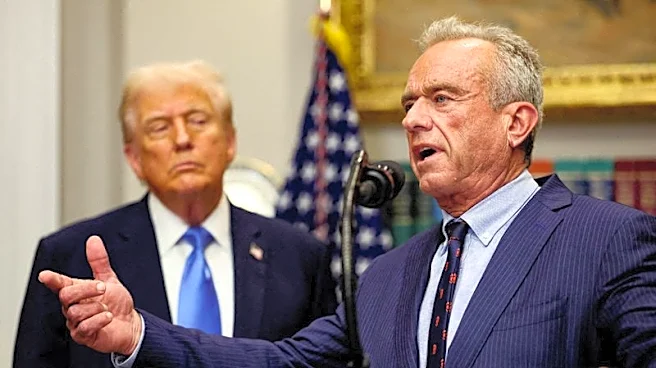
food options. The decision involves removing the blue and brown candies from the lineup, as these colors could not be replicated with natural ingredients at a reasonable cost. The blue color, introduced in 1995, posed a particular challenge due to its reliance on spirulina, an algae-based pigment. Mars, the parent company, had previously pledged to remove artificial dyes in 2016 but reversed the decision after determining that customers were not concerned. However, recent advocacy by Health and Human Services Secretary Robert F. Kennedy Jr. has renewed efforts to eliminate artificial dyes in U.S. food products.
Why It's Important?
The removal of artificial dyes from M&M's reflects a broader trend towards healthier food options in the U.S., aligning with public health initiatives. This move could influence other food companies to reconsider their use of artificial additives, potentially leading to a shift in industry standards. The decision also highlights the challenges companies face in balancing consumer preferences with production costs and ingredient availability. By eliminating artificial dyes, M&M's may appeal to health-conscious consumers, potentially increasing market share among this demographic. However, the removal of iconic colors like blue and brown could impact brand identity and consumer loyalty, posing a risk to the brand's longstanding appeal.
What's Next?
As M&M's transitions to natural dyes, the company may face production challenges and increased costs, which could affect pricing strategies. Consumer reactions will be crucial in determining the success of this initiative. If well-received, other brands might follow suit, leading to a broader industry shift towards natural ingredients. Additionally, regulatory bodies and health advocates may increase pressure on food companies to adopt similar changes, potentially resulting in new guidelines or policies regarding artificial additives in food products.