

What's Happening?
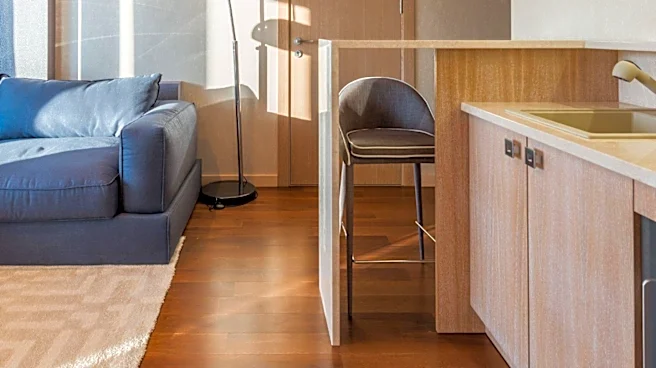
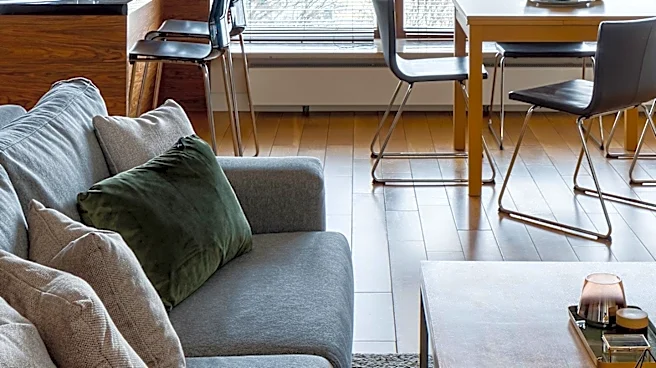
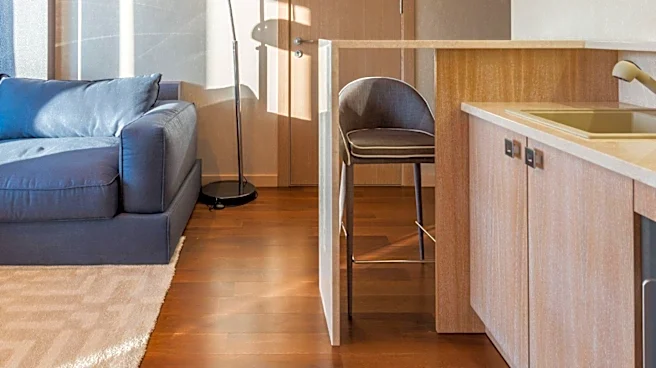
Studio apartment design is increasingly focusing on multifunctional furniture and creative spatial solutions to maximize limited living areas. Key strategies include placing beds in defined alcoves, using sofas as visual boundaries, and integrating fold-down
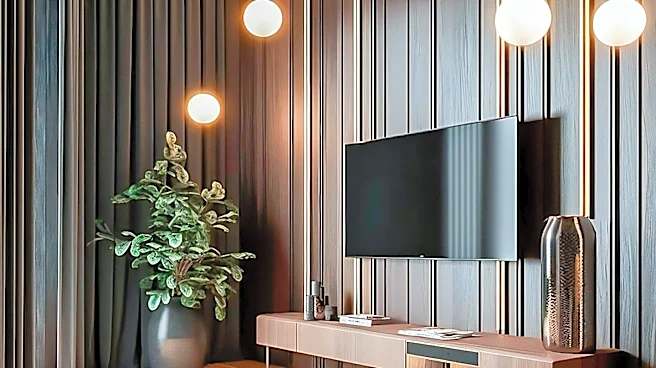
dining workstations. The approach prioritizes practical solutions that enhance space utilization, such as consolidating storage and ensuring clear pathways. Multifunctional items like sofa beds and fold-out desks are recommended to combine style with efficiency. Additionally, visual expansion techniques, such as the use of wooden wall panels, are employed to create an optical illusion of greater width and openness within these compact living spaces. This trend is driven by the need to make small urban apartments both comfortable and stylish, addressing the challenges of limited square footage.
Why It's Important?
The emphasis on multifunctional furniture and spatial solutions in studio apartment design is important for several reasons. With urban living spaces shrinking and rents in major U.S. cities remaining high, efficient use of every square foot is crucial for residents. This design philosophy allows individuals to create comfortable and functional homes in compact environments, preventing overcrowding and maximizing utility. For the furniture industry, this trend signifies a growing market for innovative, space-saving products. Businesses that adapt to this demand by offering versatile and stylish multifunctional pieces stand to gain significantly. Moreover, it impacts the real estate market by making smaller units more appealing and livable, potentially influencing rental and purchase decisions in densely populated areas. The focus on visual expansion techniques also highlights a shift in consumer preferences towards designs that enhance perceived space and light, even in constrained settings.
What's Next?
The trend towards multifunctional furniture and creative spatial solutions in studio apartment design is expected to continue evolving. Future developments may include further integration of smart home technology into furniture, allowing for even more dynamic and adaptable living spaces. Manufacturers are likely to invest more in research and development to produce innovative furniture pieces that serve multiple purposes without compromising on aesthetics or comfort. We may also see an increase in design services specializing in small-space optimization, potentially leveraging AI-powered tools to help residents visualize and plan their compact homes more effectively. As urban populations grow, the demand for such solutions will only intensify, pushing designers and manufacturers to continuously innovate in creating efficient, stylish, and livable studio apartments.
Beyond the Headlines
Beyond the immediate practical benefits, the focus on multifunctional furniture and spatial solutions in studio apartments reflects broader societal shifts. It highlights a growing acceptance and even embrace of minimalist living, where quality and utility are prioritized over sheer size. This trend also touches upon environmental considerations, as smaller living spaces often translate to reduced consumption and a smaller carbon footprint. Ethically, it raises questions about equitable access to housing, as innovative design can make smaller, more affordable units more desirable, potentially alleviating some pressure on housing markets. Culturally, it signifies a move away from the traditional American ideal of large homes, towards a more European or Asian model of compact, efficient urban living. This shift could lead to long-term changes in urban planning, architectural design, and consumer expectations regarding living spaces.