








What's Happening?
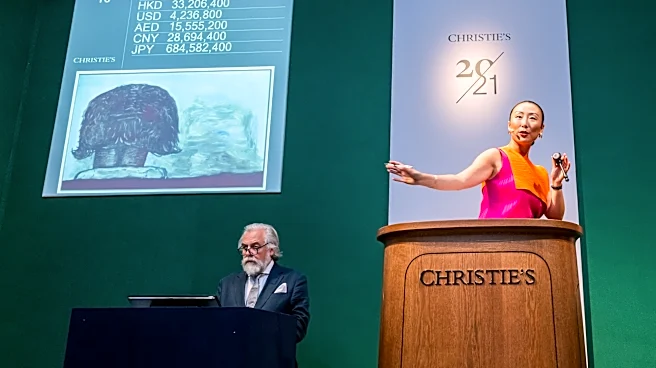
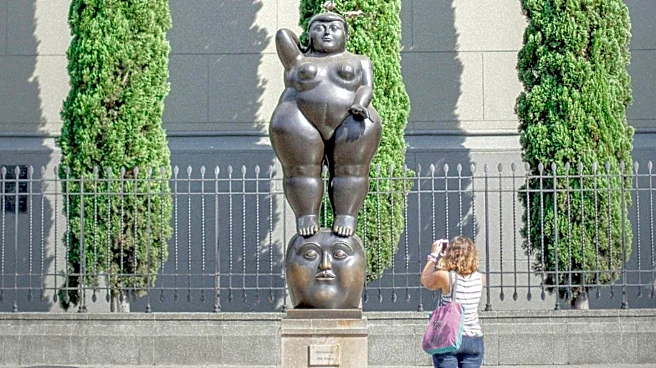
Artcurial is transforming the Principality of Monaco into an open-air sculpture museum for its seventh edition of Monaco Sculptures. This event, produced in partnership with the Société de Bains de Mer, features monumental works from the 20th and 21st
centuries. The exhibition will culminate in an auction at the Hôtel Hermitage Monte-Carlo on July 7, 2026, during Monaco Auction Week. The exhibition will continue through September, showcasing works by notable artists such as César, Arnaldo Pomodoro, and Lynn Chadwick. César's 'Pouce,' a large bronze thumb, and Pomodoro's 'Cubo I' are among the highlights. The event aims to make large-scale art accessible in public spaces, encouraging engagement and reflection.
Why It's Important?
This event underscores the growing trend of integrating art into public spaces, making it more accessible to a broader audience. By transforming Monaco into an open-air museum, Artcurial not only enhances cultural tourism but also promotes the appreciation of modern and contemporary art. The inclusion of works by renowned artists like César and Pomodoro highlights the enduring influence of post-war art movements. This initiative could inspire similar projects in other cities, fostering a greater public engagement with art and potentially boosting local economies through increased tourism and cultural activities.
What's Next?
Following the auction on July 7, the exhibition will remain open to the public until September, allowing visitors ample time to explore the artworks. The success of this event could lead to more frequent and widespread public art exhibitions, encouraging other cities to adopt similar models. Artcurial's approach may also influence how art is presented and sold, emphasizing the importance of context and environment in the appreciation of art. Future editions of Monaco Sculptures could expand to include more diverse artists and works, further enriching the cultural landscape.
Beyond the Headlines
The event highlights the evolving role of art in society, moving beyond traditional gallery settings to more interactive and accessible environments. This shift reflects a broader cultural movement towards democratizing art, making it a part of everyday life rather than a luxury for the few. The focus on large-scale sculptures also challenges conventional perceptions of art, inviting viewers to engage with it in new and unexpected ways. This could lead to a reevaluation of how art is valued and experienced, potentially influencing future art markets and public art policies.