






What's Happening?
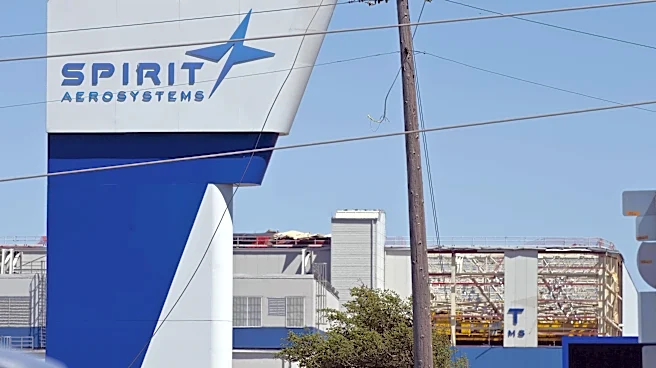
Spirit AeroSystems, Inc., a wholly owned subsidiary of The Boeing Company, is actively seeking a Senior Supply Chain Manager for Rate Readiness. This role is crucial for supporting Spirit's Commercial Business Units, which are responsible for designing
and building commercial aerostructures for Boeing Commercial Airplanes. Spirit Commercial specializes in core products such as fuselages, pylons, nacelles, and wing components, with a strong emphasis on innovative composite and aluminum manufacturing solutions. The Senior Supply Chain Manager will lead a team focused on ensuring global suppliers can meet Boeing Wichita's demand requirements, maintain compliance, and drive operational excellence. Key responsibilities include overseeing supplier capability/capacity analysis, establishing and tracking supplier actions for rate breaks, and presenting supply chain readiness metrics to senior leadership. The position requires a minimum of 10 years of supply chain experience, with at least two years in a leadership role within a production environment. The role is based in Wichita, Kansas, and offers a salary range of $127,150 to $194,900, along with potential eligibility for a $5,000 state of Kansas Aviation tax credit for up to five years.
Why It's Important?
This hiring initiative by Spirit AeroSystems underscores the critical importance of robust supply chain management within the aerospace industry, particularly for major manufacturers like Boeing. The demand for a Senior Supply Chain Manager focused on 'Rate Readiness' highlights the industry's need to ensure suppliers can scale production efficiently and reliably to meet fluctuating demands for commercial aircraft components. Any disruptions or inefficiencies in the supply chain can lead to significant delays in aircraft production, impacting delivery schedules, customer satisfaction, and ultimately, the financial performance of both Spirit AeroSystems and Boeing. The emphasis on innovative composite and aluminum manufacturing solutions also points to the ongoing technological advancements in aerostructures, requiring specialized supply chain expertise to manage complex materials and processes. Furthermore, the Kansas tax credit incentive reflects efforts by state governments to attract and retain skilled talent in the aerospace sector, recognizing its economic significance.
What's Next?
The successful candidate for the Senior Supply Chain Manager role will be instrumental in optimizing Spirit AeroSystems' supply chain operations, directly influencing the production efficiency and delivery timelines of commercial aerostructures for Boeing. This will involve implementing process improvements, leading initiatives to streamline operations, and building strong relationships with internal teams, suppliers, and stakeholders. The focus on rate readiness suggests an ongoing effort to anticipate and mitigate potential supply chain bottlenecks, especially as the aviation industry continues to recover and demand for new aircraft evolves. Future developments will likely include continued investment in supply chain technology and analytics to enhance forecasting and risk management capabilities. The role's emphasis on global suppliers also indicates a sustained need for international supply chain coordination and compliance, which will remain a key area of focus for Spirit AeroSystems.
Beyond the Headlines
Beyond the immediate operational needs, this recruitment reflects broader trends in the aerospace manufacturing sector. The emphasis on supply chain resilience and agility has become paramount, especially after recent global disruptions. Companies like Spirit AeroSystems are increasingly investing in leadership roles that can strategically navigate complex supplier networks, manage geopolitical risks, and ensure the continuous flow of critical components. The role also touches upon the intersection of manufacturing innovation and supply chain strategy; as aerostructures become more advanced, the supply chain must adapt to handle specialized materials and production techniques. This position is not just about managing logistics but also about fostering collaborative ecosystems with suppliers to drive innovation and maintain competitive advantage in a highly demanding industry. The long-term implications include a more integrated and technologically advanced supply chain model for aerospace manufacturing.