


What's Happening?
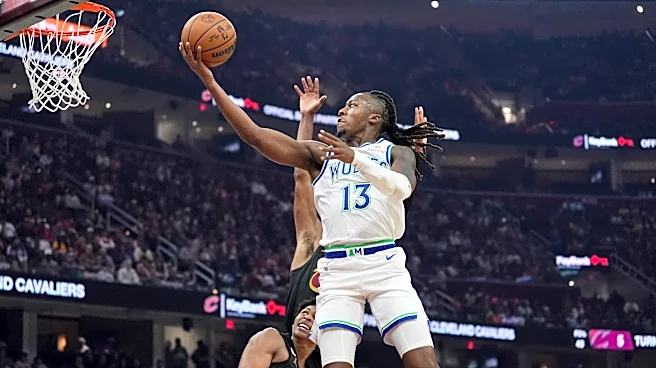
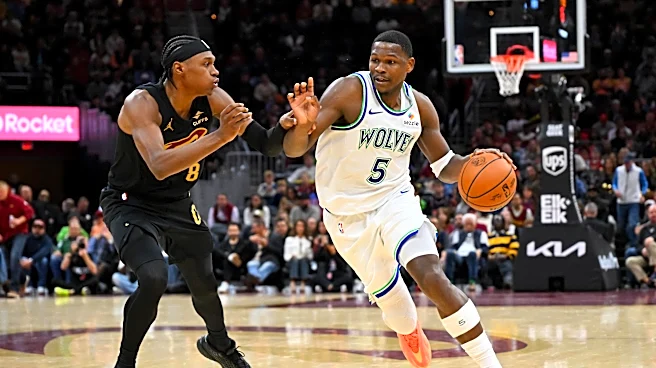
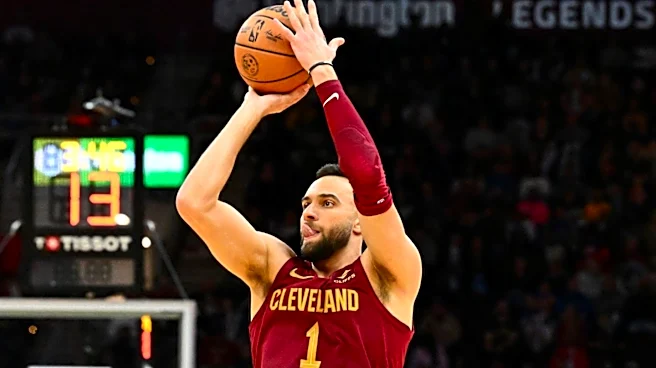
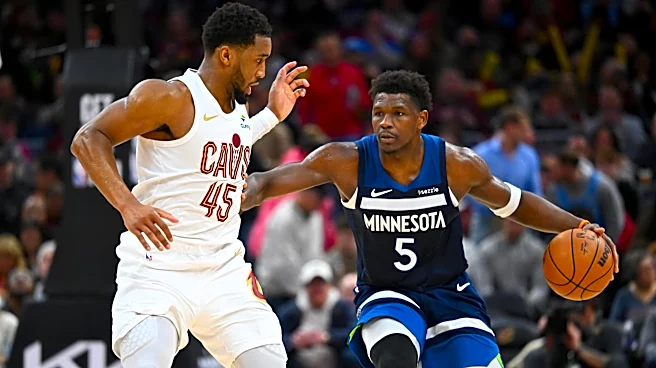
The Cleveland Cavaliers are experiencing significant issues with defensive rebounding, despite having two prominent defensive players in Evan Mobley and Jarrett Allen. In a recent game against the Minnesota Timberwolves, the Cavaliers allowed 17 offensive
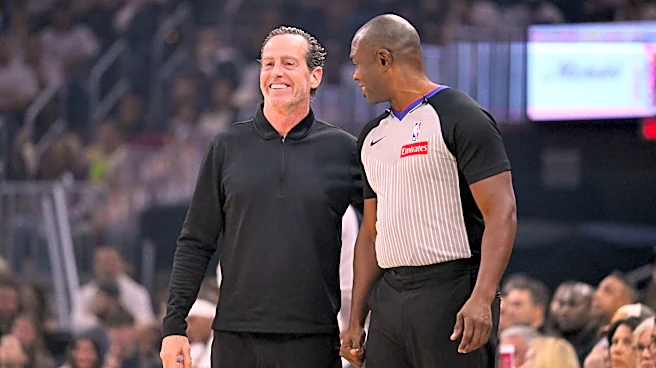
rebounds and 23 second-chance points, highlighting a persistent weakness. This problem emerged even in a game where Cleveland secured an overtime victory. The team's struggles are attributed not just to the big men, but also to perimeter defenders failing to box out and secure their assignments. Additionally, coach Kenny Atkinson's use of smaller closing lineups, which prioritize spacing and offensive versatility, can further exacerbate rebounding difficulties as Mobley becomes the sole interior presence, requiring smaller players to contribute more on the glass. This trend suggests a systemic issue rather than an individual player's fault, as the team often forces missed shots but fails to complete the defensive possession by securing the rebound.
Why It's Important?
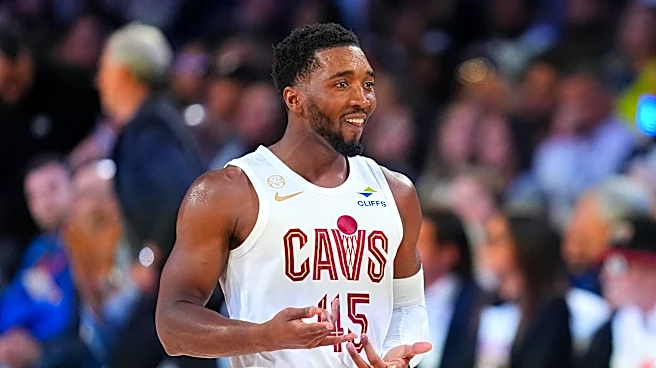
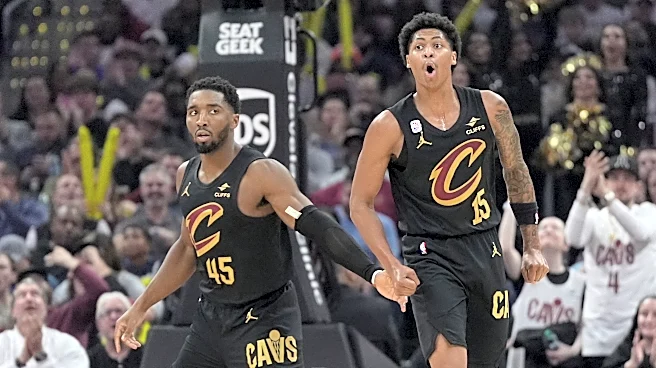
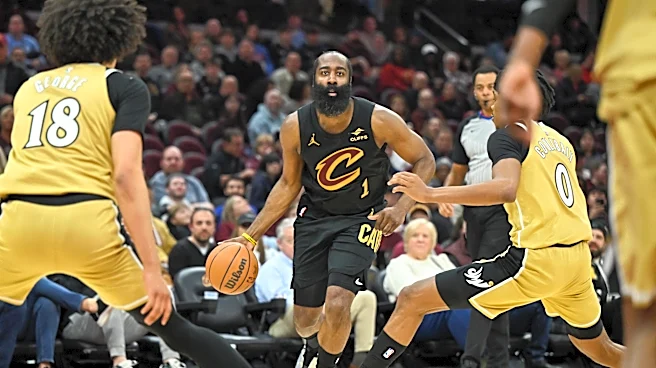
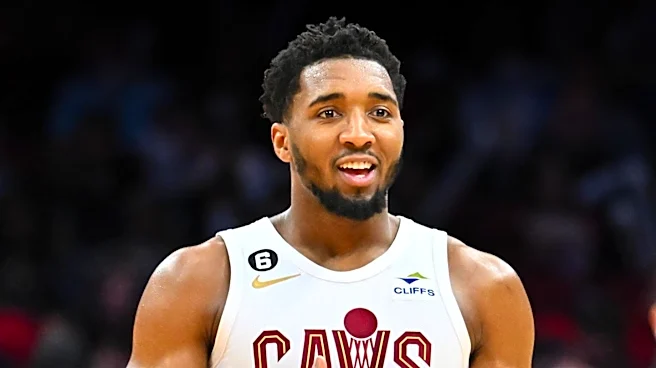
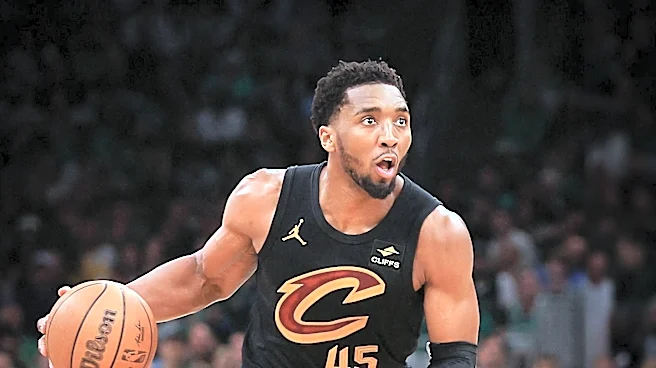
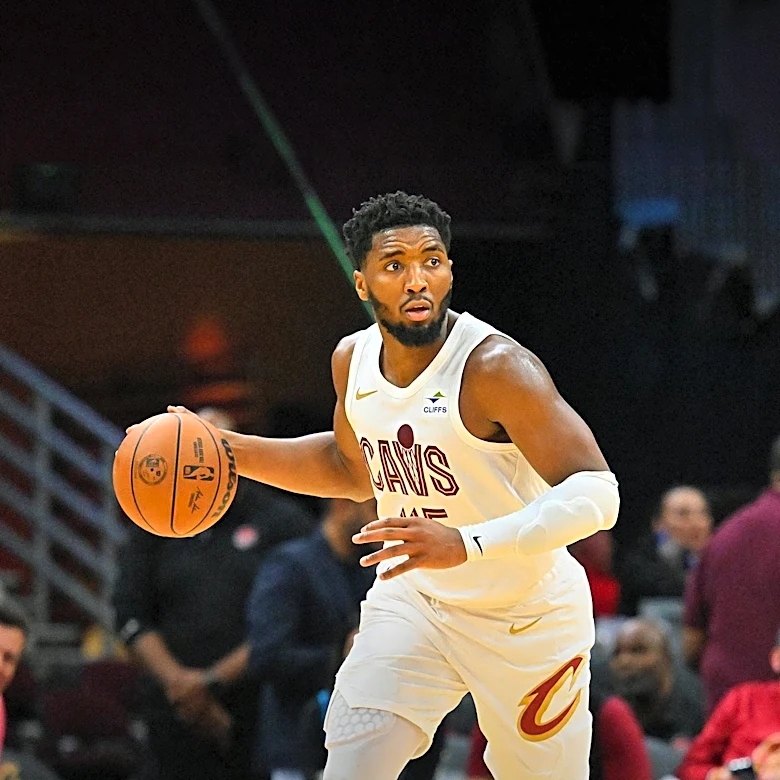
The Cavaliers' inability to control defensive rebounds poses a significant threat to their postseason aspirations. In playoff basketball, every possession is crucial, and allowing opponents multiple opportunities through offensive rebounds can be detrimental. While the team possesses strong offensive firepower with players like James Harden and Donovan Mitchell, capable of creating scoring opportunities, this offensive strength may not be enough to compensate for defensive lapses against top-tier playoff teams. Opponents in the postseason are adept at exploiting weaknesses, and a consistent failure to secure rebounds will be targeted. This issue impacts the team's overall defensive efficiency, as forcing missed shots becomes less impactful if the opponent frequently gets second chances. For a team aiming for a championship, fundamental defensive execution, including rebounding, is paramount, and current trends indicate a vulnerability that could be exploited in high-stakes games.
What's Next?
The Cleveland Cavaliers must address their defensive rebounding issues as a collective team responsibility rather than solely relying on Evan Mobley and Jarrett Allen. Coach Kenny Atkinson will need to implement strategies that ensure all five players on the court are committed to boxing out and securing rebounds, especially when utilizing smaller, more versatile lineups. This may involve adjusting defensive schemes, emphasizing rebounding drills in practice, and holding perimeter players more accountable for their roles on the glass. The team's ability to adapt and improve in this area will be critical as they progress through the regular season and prepare for the playoffs. Failure to rectify this fundamental flaw could lead to early exits in postseason play, regardless of their offensive capabilities. The focus will likely be on developing collective discipline to finish defensive possessions effectively.
Beyond the Headlines
The Cavaliers' rebounding struggles highlight a broader tactical challenge in modern NBA basketball: balancing offensive versatility and spacing with fundamental defensive requirements. While smaller lineups offer advantages in shot creation and perimeter defense, they often come with trade-offs in interior defense and rebounding. This situation forces coaches like Kenny Atkinson to make difficult decisions about personnel and strategy, weighing the benefits of offensive dynamism against the risks of defensive vulnerability. The issue also underscores the evolving roles of big men, who are increasingly expected to cover more ground defensively, which can pull them out of prime rebounding positions. The Cavaliers' predicament reflects a league-wide trend where teams seek to maximize offensive efficiency, sometimes at the expense of traditional defensive strengths, creating a constant strategic tension between different facets of the game.