





What's Happening?
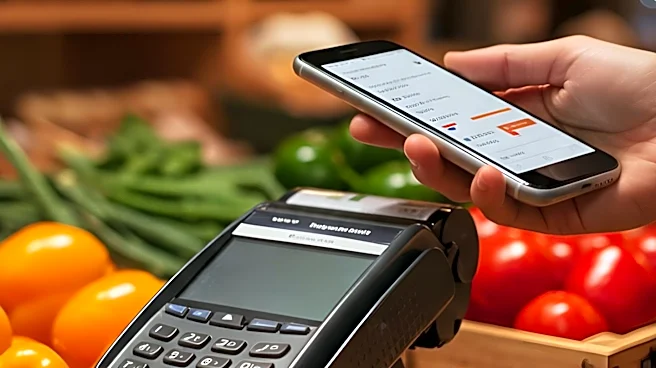
U.S. convenience store operators are increasingly adopting cashierless payment systems and mobile payment solutions, driven by a broader trend towards enhanced customer convenience and efficiency. This shift involves partnerships with brands for targeted
promotions and the expansion of cashierless checkout options. Major players like 7-Eleven, Circle K, Wawa, and Casey's General Stores are actively participating in these trends. The integration of these technologies aims to streamline the purchasing process, particularly for quick and discreet transactions. The United States Food and Grocery Retail market is experiencing significant transformation, with key trends including AI-driven personalization, autonomous checkout, and micro-fulfillment centers. Amazon, for instance, has been a notable disruptor in this space, redefining convenience through online ordering, rapid delivery, and cashierless technology. Retailers are investing in scalable infrastructure to support these emerging technologies, including IoT shelf sensors and machine vision for inventory management.
Why It's Important?
The growing adoption of cashierless payments and mobile solutions in U.S. convenience stores signifies a major evolution in the retail landscape. This trend is crucial for several reasons: it enhances customer experience by offering faster, more convenient transactions, which is particularly appealing to consumers with on-the-go lifestyles. For retailers, these technologies can lead to increased operational efficiency, reduced labor costs, and improved inventory management through machine vision and IoT sensors. The competitive dynamics within the U.S. Food and Grocery Retail market are being reshaped, with traditional retailers needing to adapt to innovations introduced by companies like Amazon. Those who fail to invest in these technologies risk losing market share to more agile and technologically advanced competitors. This shift also highlights the increasing importance of data analytics for personalized marketing and the potential for new revenue streams through targeted promotions.
What's Next?
The trajectory for cashierless payments and mobile solutions in U.S. convenience stores points towards continued expansion and integration. Retailers are expected to further invest in scalable infrastructure to support these emerging technologies. This will likely include broader implementation of autonomous checkout systems and advanced IoT shelf sensors for real-time inventory tracking. The focus will remain on enhancing the customer experience through speed and convenience, potentially leading to more widespread adoption of mobile payment apps and loyalty programs integrated with these systems. We can anticipate more strategic partnerships between convenience store operators and brands to leverage these platforms for targeted promotions. The competitive pressure from innovators like Amazon will likely drive further technological advancements and a push for seamless omnichannel experiences across the retail sector.
Beyond the Headlines
The widespread adoption of cashierless stores and mobile payment solutions carries deeper implications beyond mere transactional convenience. While offering efficiency, these systems also raise questions about the 'hidden social cost' of cashierless stores, as noted in one source. This could refer to potential job displacement for cashiers, changes in social interaction within retail environments, or issues related to digital inclusion for those less familiar with or unable to access such technologies. Furthermore, the reliance on machine vision and AI for inventory and checkout processes introduces new ethical considerations regarding data privacy and surveillance. The shift towards highly personalized, data-driven retail experiences, while beneficial for businesses, also means consumers' purchasing habits are increasingly tracked and analyzed, potentially leading to concerns about consumer autonomy and targeted advertising. The balance between technological advancement, economic efficiency, and societal impact will be a critical ongoing discussion.