








What's Happening?
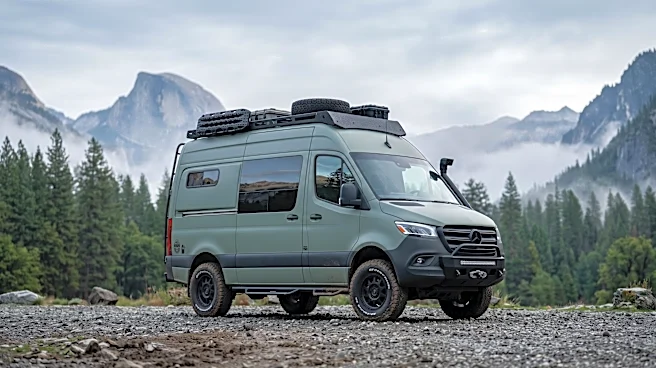
Overland Van Project (OVP) has unveiled the TeenyKana, a semi-custom camper van designed for family adventures, now available for sale at $250,000. Based on a 2023 Mercedes Sprinter AWD with a 170-inch wheelbase, the TeenyKana is a unique build from OVP's
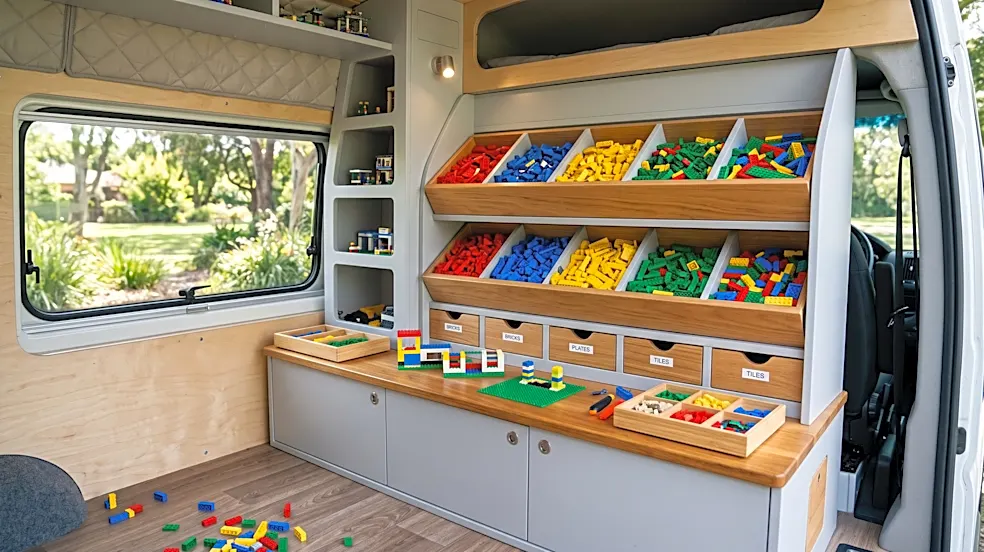
Mazama layout, tailored for a traveling family. It features an accessory-loaded exterior and a versatile four-person interior with bespoke touches. Key exterior enhancements include a Paradigm Offroad Safari roof rack, an Owl Sherpa system for gear, and fully walkable solar panels. The van's mechanics are upgraded with an Agile RIP suspension kit and 33-inch all-terrain tires. The interior boasts a flexible family-friendly layout with gray tweed upholstery, a slatted wood ceiling, natural bamboo cabinetry, and integrated lighting. It includes a convertible rear lounge, an electric drop-down bed, a dual-sided kitchen, and four belted seats. The kitchen is equipped with Corian countertops, a two-burner induction cooktop, a convection oven, and a large Isotherm 160 refrigerator. For off-grid living, it has a nearly 1,000Ah battery bank, a 3,200-watt inverter, and 400-watt solar panels. Comfort is ensured with a Velit 2000R 12-volt air conditioner and a Rixens hydronic system for heating and hot water, alongside 33 gallons of fresh water capacity.
Why It's Important?
The introduction of the TeenyKana by Overland Van Project signifies a growing trend in the U.S. for highly customized and luxurious adventure vehicles, catering to a niche market of consumers seeking both comfort and off-grid capabilities. This development reflects an evolving lifestyle choice where families prioritize mobility and self-sufficiency in their travel experiences. The high price point of $250,000 for a semi-custom van indicates a premium segment within the recreational vehicle market, suggesting that consumers are willing to invest significantly in personalized and high-quality mobile living solutions. The emphasis on off-grid features, such as extensive battery banks, solar panels, and advanced water systems, highlights a demand for independence from traditional campgrounds and infrastructure, enabling exploration of more remote areas. This trend could influence the broader RV and automotive industries, pushing manufacturers to offer more customizable options and integrate advanced off-grid technologies into their standard models. Furthermore, the resale of a relatively new, high-end custom van like the TeenyKana suggests a dynamic secondary market for specialized adventure vehicles, offering opportunities for both buyers and sellers in this growing sector.
What's Next?
The availability of the TeenyKana on the market for $250,000 presents an immediate opportunity for a family or individual seeking a ready-to-go, high-end adventure van without the typical wait time for a custom build. Its sale will likely serve as a benchmark for similar semi-custom conversions in the U.S. market, influencing pricing and feature expectations. For Overland Van Project, the successful sale of the TeenyKana could further solidify its reputation as a premier builder of bespoke and semi-custom camper vans, potentially leading to increased demand for their services and designs. Other custom van builders and larger RV manufacturers may observe the market reception of such high-value, feature-rich vehicles, potentially inspiring them to innovate their own offerings to meet the growing consumer interest in luxury, off-grid capable adventure vans. The continued evolution of van life culture, driven by vehicles like the TeenyKana, is expected to foster further advancements in mobile living technologies, including more efficient power systems, compact amenities, and durable construction materials, as companies compete to cater to this discerning demographic.
Beyond the Headlines
The TeenyKana's design and market positioning reflect a deeper cultural shift towards experiential living and a desire for greater autonomy in travel among certain demographics in the U.S. The blend of luxury, functionality, and off-grid capability in a single vehicle speaks to a broader aspiration for freedom and self-reliance, moving beyond traditional vacation models. This trend also touches upon environmental considerations, as off-grid capabilities often imply a reduced reliance on external resources and a smaller ecological footprint, aligning with growing eco-conscious consumer values. The investment in such a specialized vehicle also signifies a re-evaluation of what constitutes 'home' and 'comfort,' suggesting a fluid and mobile interpretation of domesticity. Furthermore, the rise of semi-custom and custom van conversions highlights the increasing importance of personalization in consumer goods, where individuals seek products that precisely match their unique lifestyles and values, rather than mass-produced alternatives. This niche market could also foster a community of like-minded individuals, sharing experiences and knowledge about van life, further embedding this lifestyle into the broader American cultural landscape.