







What's Happening?
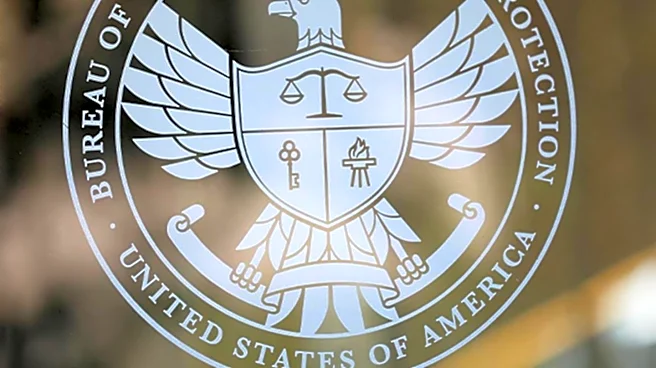
The U.S. Commerce Department has added Megaspeed, an artificial intelligence infrastructure and cloud computing company, and its affiliates to the Bureau of Industry and Security’s Entity List. This action prohibits Megaspeed and its Malaysia-based affiliates (MSFusion,
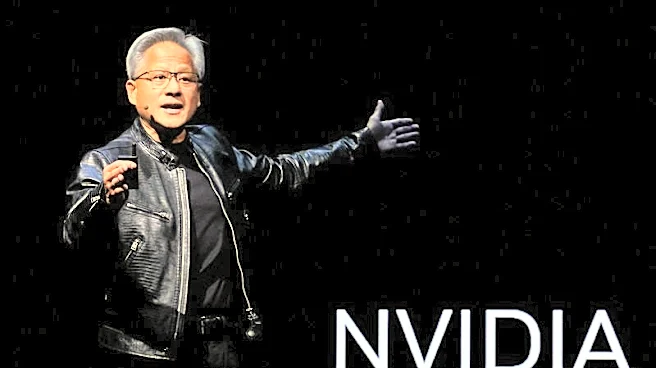
PT Megaspeed International, Speedmatrix), Singapore-based affiliates (Apex Enterprise Solutions, Megaspeed International, Swiftdata), and Thailand-based affiliate (Megaspeed Co, Ltd) from trading with the United States. The decision was announced shortly after Nvidia reinstated Jensen Huang as its CEO. The Commerce Department stated that these entities were determined to be acting contrary to the national security or foreign policy interests of the United States. This move follows a 2024 probe by Commerce officials into Megaspeed for potential export control violations, including allegations that Megaspeed helped smuggle Nvidia’s chips to China. An audit in 2025 reportedly found 50,000 advanced AI chips missing from Megaspeed’s supplies.
Why It's Important?
This blacklisting by the Commerce Department signifies a significant escalation in U.S. efforts to control the export of sensitive technology, particularly AI-related semiconductors, to entities perceived as national security risks. The prohibition on buying U.S.-made semiconductors will severely impact Megaspeed's operations and its ability to provide AI infrastructure and cloud computing services, given the critical role of U.S. technology in these sectors. The timing of this decision, immediately following the reinstatement of Nvidia CEO Jensen Huang, suggests a complex interplay between corporate governance, U.S. foreign policy, and national security concerns. It underscores the U.S. government's commitment to safeguarding its technological advantage and preventing the diversion of advanced chips to unauthorized end-users, especially in the context of geopolitical competition. This action could also serve as a deterrent to other foreign companies that might consider circumventing U.S. export controls.
What's Next?
The Department of Justice is continuing its investigation into whether Megaspeed violated federal export control laws by trading Nvidia chips to China. This ongoing probe could lead to further legal actions or penalties against Megaspeed or individuals involved. The blacklisting will force Megaspeed and its affiliates to seek alternative suppliers for critical components, which may prove challenging given the dominance of U.S. technology in the semiconductor industry. The decision also highlights the potential for increased scrutiny on other companies operating in the AI and cloud computing sectors, particularly those with ties to regions deemed sensitive by the U.S. government. The U.S. government's firm stance on export controls is likely to influence future business dealings and supply chain strategies for technology companies globally, as they navigate a complex regulatory landscape.
Beyond the Headlines
The Commerce Department's action against Megaspeed, coupled with the reinstatement of Nvidia CEO Jensen Huang, reveals deeper implications concerning the intersection of corporate leadership, national security, and international relations. The alleged affair between Jensen Huang and Alice Huang, Megaspeed's CEO and a suspected Chinese spy, adds a layer of personal intrigue to the geopolitical tensions surrounding technology transfer. While a preliminary DOJ probe reportedly found no wrongdoing by Jensen Huang, the situation underscores the vulnerabilities that personal relationships can create in sensitive industries. This event could prompt U.S. companies to enhance their internal security protocols and due diligence processes when engaging with foreign partners, especially those in critical technology sectors. It also highlights the ongoing challenge for the U.S. government to balance economic interests with national security imperatives in an increasingly interconnected global economy.