



What's Happening?
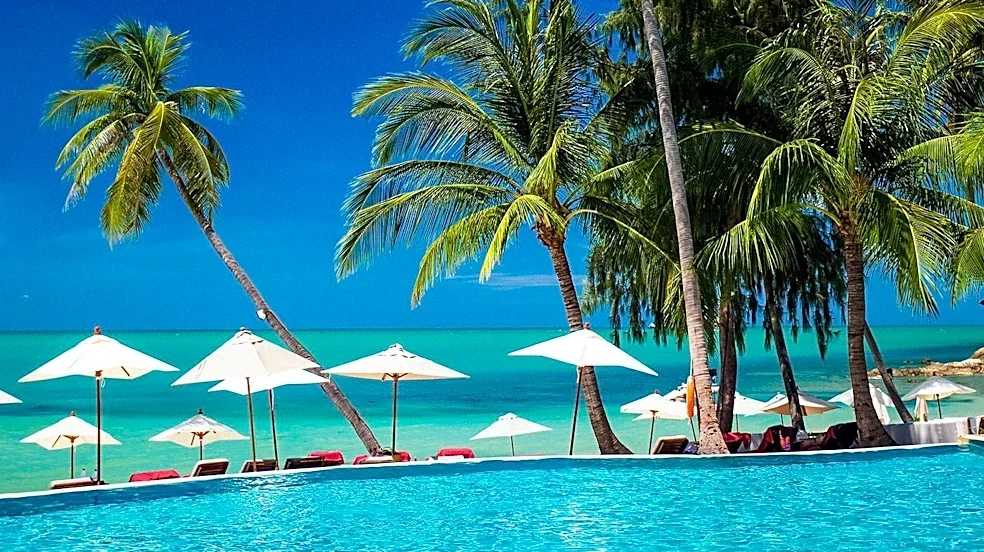
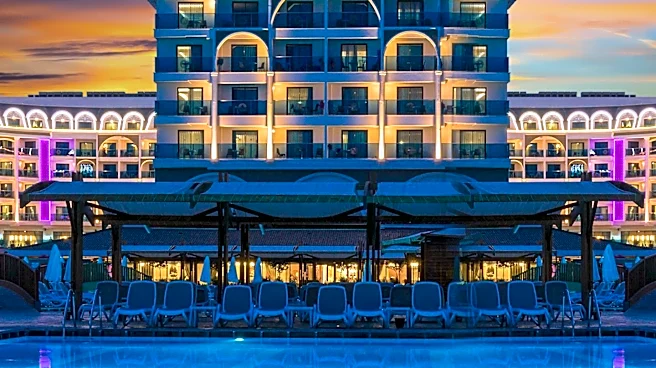
Residence Blumarine, located in Giulianova, Italy, is offering accommodations that include a private beach area, a garden, a terrace, and a seasonal outdoor swimming pool. Guests at the aparthotel can also benefit from free WiFi access throughout the property.
Each apartment is equipped with air-conditioning, a kitchenette, a balcony, and a private bathroom. Additional amenities provided for guests include a dining area, a sofa bed, and complimentary toiletries. The facility also features an elevator, an outdoor play area, outdoor seating, family rooms, bicycle parking, bike hire services, and luggage storage. Off-site private parking is available for a fee. The property is conveniently situated a five-minute walk from Giulianova Beach, with other local attractions such as Duomo di San Flaviano approximately 1.7 miles away and Abruzzo Airport located 33 miles from the residence. Guests are advised to inform Residence Blumarine of their expected arrival time in advance.
Why It's Important?
The availability of such accommodations in Giulianova, Italy, highlights a growing trend in the European tourism sector, particularly for travelers seeking self-catering options with resort-like amenities. This type of offering caters to families and groups who prefer the flexibility of an apartment combined with the conveniences typically found in hotels, such as private beach access and swimming pools. For the U.S. tourism market, this signifies an expanding range of choices for international travel, potentially attracting American tourists looking for value and comfort in European coastal destinations. The emphasis on amenities like free WiFi and family-friendly facilities also reflects evolving traveler expectations, where connectivity and suitability for all age groups are key decision-making factors. The competitive pricing and comprehensive services offered by properties like Residence Blumarine could influence travel patterns and preferences among U.S. vacationers planning trips to Italy, potentially diverting them from traditional hotel stays to aparthotel models.
What's Next?
As the tourism season progresses, Residence Blumarine will likely continue to attract guests, particularly those seeking a blend of independence and amenities. The property's focus on family-friendly features and direct beach access suggests it will remain a popular choice for summer vacations. Future developments might include enhanced digital services for guests, such as online check-in or personalized activity recommendations, to further streamline the visitor experience. The ongoing demand for private and semi-private accommodations, especially in the post-pandemic travel landscape, could lead to similar developments in other coastal regions of Italy and Europe. The success of such models may also encourage other hospitality providers to integrate more self-catering options with comprehensive recreational facilities, adapting to the evolving preferences of international travelers, including those from the U.S. The property's high ratings for its swimming pool and beach access indicate a strong foundation for continued positive guest experiences.
Beyond the Headlines
The rise of aparthotels like Residence Blumarine reflects a broader shift in the hospitality industry, moving towards more flexible and personalized travel experiences. This model blurs the lines between traditional hotels and vacation rentals, offering guests the privacy and space of an apartment alongside the services and amenities of a hotel. This trend has significant implications for the U.S. travel market, as American tourists increasingly seek authentic local experiences combined with modern comforts. The emphasis on private beaches and outdoor facilities also speaks to a growing desire for health and wellness-focused travel, where access to nature and recreational activities is prioritized. Furthermore, the integration of technology, such as free WiFi, underscores the essential role of connectivity in contemporary travel, enabling guests to stay connected for both leisure and remote work. This evolution in accommodation types could influence investment and development strategies within the U.S. hospitality sector, as developers look to replicate successful hybrid models seen internationally.