








What's Happening?
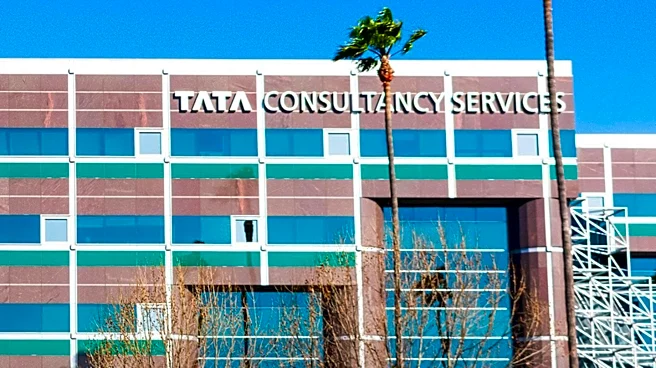
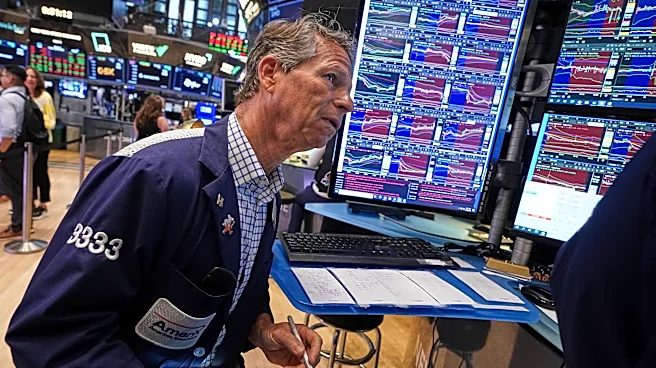
Tata Consultancy Services (TCS) is experiencing a significant decline in its stock value, with shares dropping by 35% this year. This downturn is attributed to investor concerns over weak demand and rising costs associated with the company's investments
in artificial intelligence (AI). The stock has reached a six-year low, underperforming major market indices such as the Nifty and the Sensex. The market is particularly cautious as TCS approaches its first-quarter results for the 2027 fiscal year. Analysts are questioning the timeline for when the company's new technology initiatives will begin to positively impact profit margins. The global macroeconomic environment and changes in corporate technology spending are contributing to a challenging landscape for TCS, India's largest IT services firm.
Why It's Important?
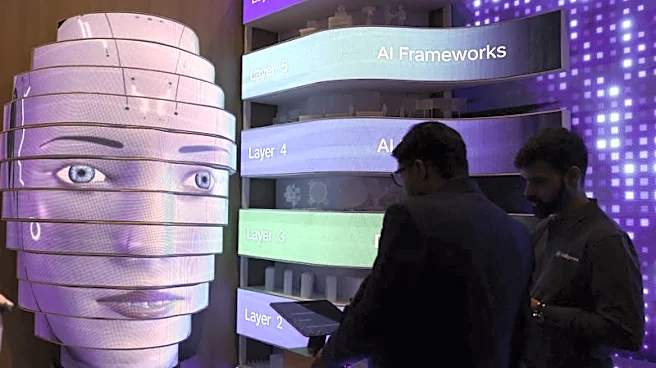
The decline in TCS's stock price highlights broader concerns within the IT services sector, particularly regarding the impact of AI investments on profitability. As TCS invests heavily in AI, including the development of an 'AI Operating System' and high-density AI data centers, the immediate financial burden is significant. This situation is compounded by annual salary increases, which are expected to further pressure profit margins. The company's ability to balance these costs with revenue growth is crucial for maintaining investor confidence. The outcome of TCS's AI initiatives could set a precedent for other IT firms navigating similar challenges, influencing industry strategies and investor expectations.
What's Next?
Investors will closely monitor TCS's upcoming Q1FY27 earnings call for insights into client spending patterns and the impact of wage hikes on margins. The company's management commentary will be critical in assessing the progress of AI initiatives and their contribution to revenue. Analysts are particularly interested in the timeline for when these investments will enhance overall profitability. The results of this earnings call could significantly influence investor sentiment and the company's stock performance in the coming quarters.