


What's Happening?
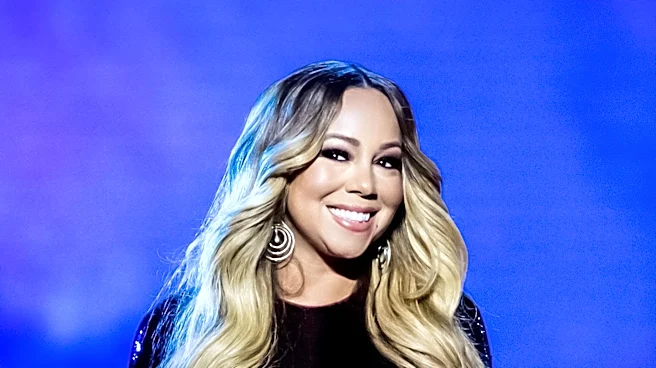
Rapper Da Brat has revealed that holiday music recorded with Mariah Carey and Jennifer Hudson remains unreleased. This situation leaves her without a personal Christmas song to perform as an MC for 'The Hip Hop Nutcracker' in her hometown of Chicago.
According to WBEZ, these recordings were made over several years. Da Brat continues to write gospel and R&B music but expresses hesitation about releasing new material she deeply cares about, unsure if it will resonate with listeners as it once did. For her role in 'The Hip Hop Nutcracker,' she opts to perform familiar songs that the audience already recognizes. She opens the show with a medley of her own tracks and returns at the end to introduce the dancers, who convey the story primarily through movement without spoken dialogue. The production itself is a two-hour show, including intermission, that blends Tchaikovsky's score with Hip-Hop choreography, featuring a DJ and a violinist. It reimagines the classic story in a contemporary New York City setting, utilizing digital graffiti to establish the scene.
Why It's Important?
The non-release of Da Brat's holiday collaborations with high-profile artists like Mariah Carey and Jennifer Hudson highlights a broader trend in the music industry concerning artist control, market timing, and the perceived risk of new material. For Da Brat, it means missing an opportunity to feature her own holiday music during a significant performance like 'The Hip Hop Nutcracker,' potentially limiting her connection with the audience through new, festive content. Her reluctance to release new songs she's passionate about, due to uncertainty about listener reception, reflects a common challenge for established artists navigating evolving music consumption habits and audience engagement. This situation also underscores the complexities of collaborative projects, where multiple artists and their respective teams must align on release strategies. The absence of these tracks from the holiday music landscape means fans of all three artists are missing out on potential new festive classics, impacting the seasonal music market and the artists' discographies.
What's Next?
While there are no immediate plans for the release of Da Brat's holiday collaborations, the continued mention of these unreleased tracks could generate renewed interest from fans and potentially prompt discussions among the artists and their labels. Da Brat will continue her role as MC for 'The Hip Hop Nutcracker,' where she plans to engage audiences with her well-known verses. Her focus for the production is to provide a 'fresh and fun' experience for the holiday season, as she expressed to WBEZ. She has already performed in Washington, D.C., and is set to perform in Chicago. Her participation marks her as the first woman rapper to take on the MC role for the show, a position previously held by Kurtis Blow. Future developments might include further public statements from Da Brat or her collaborators regarding the status of these recordings, or a strategic decision to release them in a future holiday season, depending on market conditions and artist priorities.
Beyond the Headlines
The situation surrounding Da Brat's unreleased holiday music touches upon deeper themes within the music industry, including the evolving relationship between artists and their audience, the pressure to create commercially viable content, and the strategic decisions behind music releases. Da Brat's apprehension about releasing new, personally significant material suggests a shift in how artists perceive their creative output in a rapidly changing digital landscape. The value of established hits versus new, potentially risky content becomes a critical consideration. Furthermore, the collaborative nature of these unreleased songs with Mariah Carey and Jennifer Hudson points to the intricate web of legal, contractual, and creative agreements that govern such projects. The decision to withhold music, even highly anticipated collaborations, can be influenced by factors ranging from marketing strategies and label priorities to the artists' own creative control and timing preferences. This scenario highlights the often unseen complexities that prevent music from reaching the public, even when it involves major artists.