







What's Happening?
Honda Motor (NYSE:HMC) has reported quarterly earnings below expectations and subsequently trimmed its full-year guidance. This adjustment is primarily attributed to increased costs stemming from tariffs, unfavorable currency translation, and intense
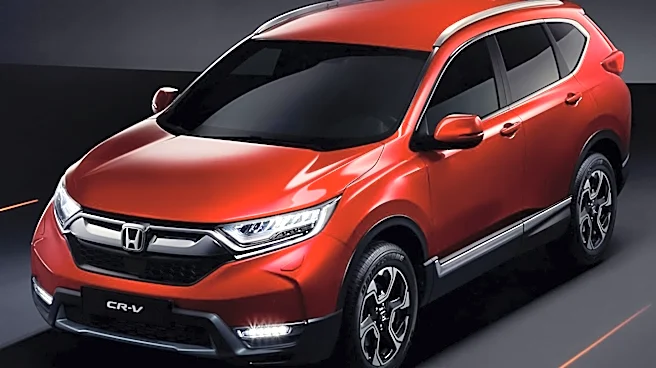
competitive pricing across various regions. Despite these financial headwinds, Honda is actively previewing a refreshed lineup of sedans, crossovers, and hybrids for the North American market. The company's significant manufacturing presence in North America offers a partial buffer against tariffs, as locally built vehicles are subject to different cost treatments than imports. However, Honda continues to ship certain models and components across borders, maintaining its exposure to tariff impacts. The company faces stiff competition from established rivals in Japan, North America, and Europe, as well as rapidly advancing domestic brands in China, particularly in the electric and connected vehicle segments.
Why It's Important?
This guidance trim signals that Honda anticipates persistent financial pressures, primarily from external macroeconomic factors rather than a fundamental weakening of demand. For the U.S. automotive market, this indicates that global trade policies and currency fluctuations continue to significantly influence the operational costs and profitability of major international manufacturers. Consumers might see pricing adjustments or shifts in model availability as companies like Honda strategize to mitigate these costs. The emphasis on a refreshed North American lineup underscores the region's strategic importance to Honda's commercial base, suggesting continued investment in products tailored for U.S. buyers. The broader industry is grappling with similar challenges, making Honda's experience a case study in how manufacturers are navigating margin pressures while simultaneously funding the transition to electrified and software-rich vehicles.
What's Next?
Honda's management will continue to monitor trade measures and currency swings, which remain critical factors influencing future financial performance. The company's strategy will involve balancing long-term investments in electric vehicle technology and partnerships with managing near-term margin pressures. The reception of the refreshed North American lineup will be crucial in maintaining market visibility and competitive pricing. Future earnings reports will provide further insight into whether the current pressures are easing or becoming more entrenched. Honda's ability to leverage its hybrid vehicle strength and its diversified motorcycle business will be key to stabilizing performance as the automotive industry undergoes significant transformation, particularly in its major markets like the U.S.
Beyond the Headlines
The situation highlights the complex interplay between global trade policies, currency markets, and corporate strategy in the automotive sector. Honda's decision to trim guidance due to external factors rather than internal demand issues points to the vulnerability of globally integrated supply chains to geopolitical and economic shifts. This scenario could prompt other multinational corporations to re-evaluate their production localization strategies and supply chain resilience. The ongoing competitive pressures, especially from Chinese brands in the EV space, underscore a broader industry trend where traditional automotive giants must innovate rapidly while managing cost efficiencies. The long-term success of companies like Honda will depend not only on product innovation but also on their agility in adapting to an unpredictable global economic and regulatory landscape.