





What's Happening?
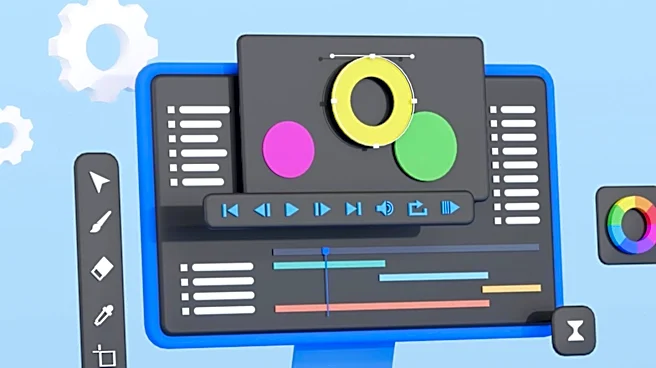
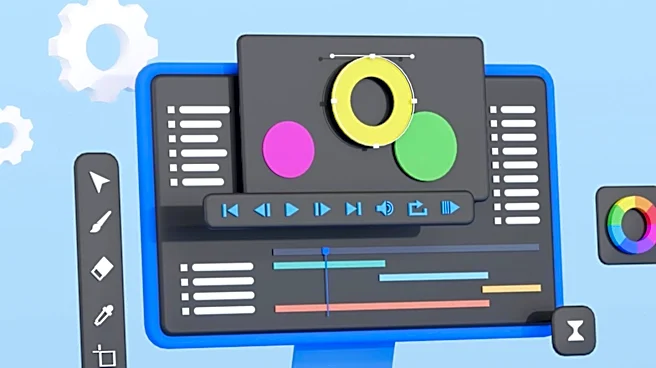
Kling AI, a Singapore-based AI creative studio, has launched its Kling 4.0 model, designed to streamline and enhance the creation of short-form videos. This new model integrates video generation and editing into a single platform, offering features such
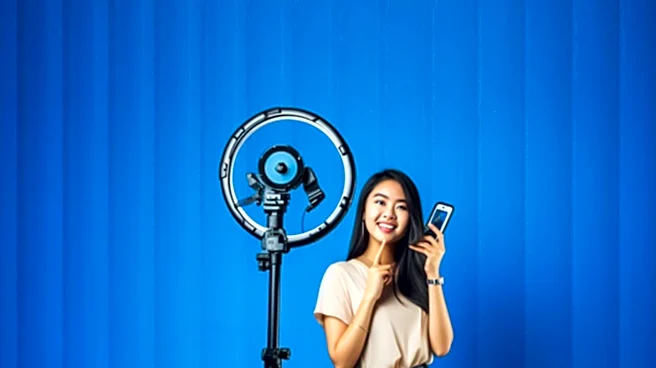
as Omni Reference for maintaining consistent characters and products across content. Kling 4.0 supports up to 10 image keyframes to guide critical story moments and allows creators to adapt the pacing, shot composition, and camera movements from reference videos. The technology aims to improve motion stability and can generate videos up to 30 seconds long, enabling more efficient transformation of ideas into coherent short videos. The platform also facilitates the creation of promotional videos, AI-generated ads, and AI influencer content.
Why It's Important?
The introduction of Kling 4.0 is significant for content creators and marketers in the U.S. and globally, particularly those relying on short-form video platforms like TikTok, Instagram Reels, and YouTube Shorts. The model's ability to maintain consistency in characters and products, along with advanced editing capabilities, can drastically reduce production time and costs associated with video content creation. This efficiency allows businesses and individual creators to experiment with more creative directions and produce a higher volume of engaging content. For marketing, it means faster iteration on ad campaigns and promotional materials, potentially leading to more effective audience engagement and conversion. The improved stability and longer generation times also open up new possibilities for more complex narratives within short video formats, impacting how brands communicate and interact with their audiences.
What's Next?
Content creators and marketing agencies are expected to adopt Kling 4.0 to leverage its advanced features for short-form video production. The platform's capabilities for generating AI-powered ads and influencer content suggest a growing trend towards AI integration in digital marketing strategies. Kling AI will likely continue to refine its models, potentially offering even longer video generation capabilities and more sophisticated editing tools. The company's focus on maintaining consistency and adapting reference materials indicates a future where AI plays an even more central role in ensuring brand identity and narrative coherence across diverse video campaigns. This could lead to a shift in how creative teams are structured, with more emphasis on AI-assisted workflows.
Beyond the Headlines
The rise of AI tools like Kling 4.0 raises deeper implications regarding the future of creative industries and the authenticity of digital content. While these tools offer unprecedented efficiency and creative freedom, they also bring questions about the originality of AI-generated content and the potential for deepfakes or misleading advertising. The ability to maintain consistent characters and adapt existing video styles could blur the lines between original and AI-replicated content, posing challenges for intellectual property and ethical content creation. Furthermore, the increased accessibility of high-quality video production could democratize content creation, but also intensify competition in the digital space, requiring creators to constantly innovate beyond what AI can easily replicate.