


What's Happening?
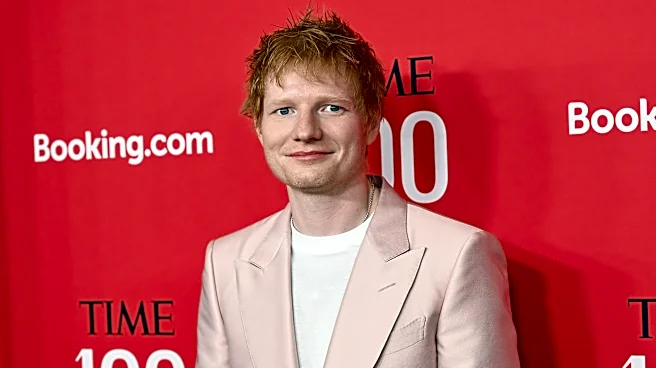
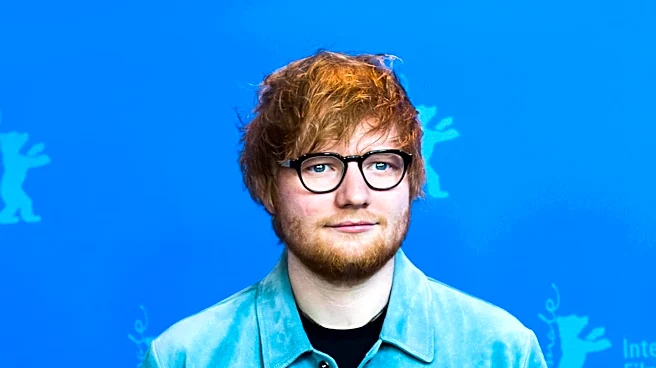
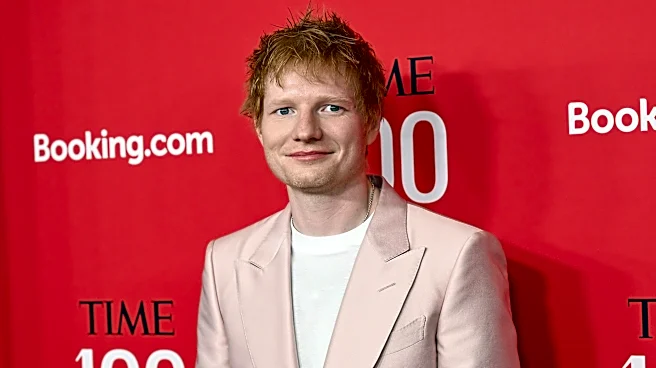
Ed Sheeran has publicly clarified his stance on the situation in Israel and Palestine, emphasizing that while he typically avoids political commentary, he views the current events as a humanitarian issue. Speaking before a performance in Philadelphia,
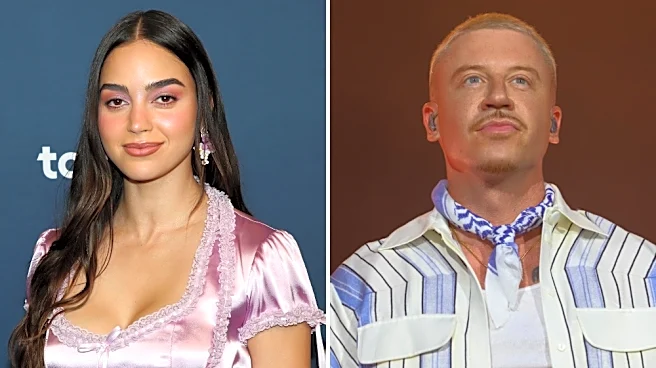
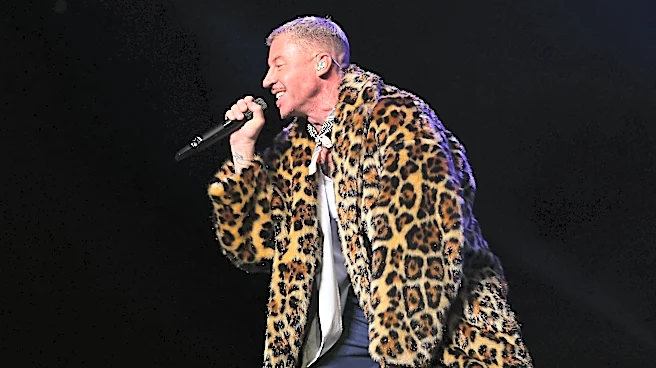
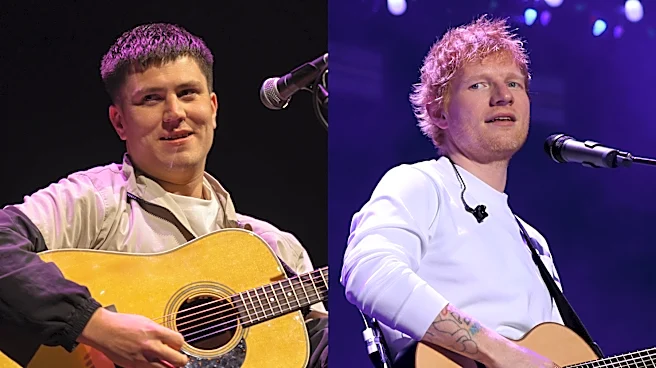
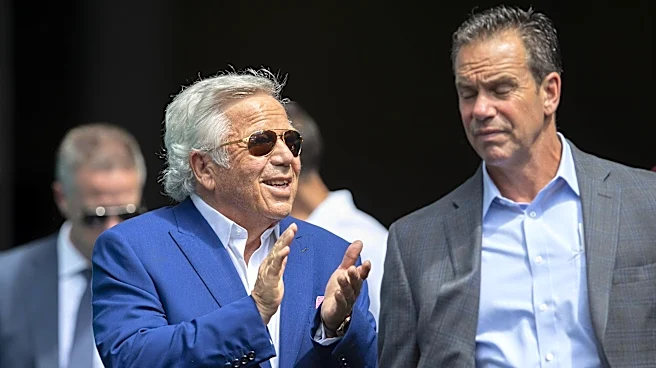
Sheeran stated that the events of October 7 in Israel were horrific and compounded Jewish pain, while also describing what is happening in Gaza as catastrophic, unjustifiable, and disproportionate, causing immense civilian and child casualties. He also highlighted the systemic injustice in the West Bank. Sheeran addressed the controversy surrounding Macklemore's removal from his tour, stating his deep concern about venues pre-approving content of performers, which he believes should not happen in the 'free world.' Macklemore had accused Sheeran of succumbing to pressure from New England Patriots and Gillette Stadium owner Robert Kraft, who is a supporter of Israel. Kraft admitted involvement in the decision to remove Macklemore, whose performances included footage of Israel's bombing of Gaza and a song dedicated to a child killed by the Israeli military. Following his removal, Macklemore pledged to donate $1 million of his net earnings to Palestinian aid organizations, and Kraft, at Sheeran's urging, donated $2 million for 'aid in the region.'
Why It's Important?
Ed Sheeran's public statement and the controversy surrounding Macklemore's removal from his tour highlight the increasing pressure on public figures to take stances on complex geopolitical issues, particularly the Israeli-Palestinian conflict. Sheeran's attempt to navigate between maintaining artistic unity and addressing humanitarian concerns reflects a broader societal tension. The incident also raises significant questions about freedom of speech and artistic expression, especially when financial and political interests are involved. The alleged influence of figures like Robert Kraft on concert programming underscores the potential for external pressures to impact artistic decisions and the content presented to audiences. Macklemore's commitment to donating a portion of his earnings and Kraft's subsequent donation, while differing in specified beneficiaries, demonstrate the financial implications and philanthropic responses that can arise from such controversies. This situation underscores how cultural events and celebrity platforms can become arenas for political discourse and activism, influencing public opinion and charitable giving.
What's Next?
The clarification of Ed Sheeran's stance may lead to varied reactions from his fanbase and the broader public, potentially influencing his future engagements and collaborations. The debate surrounding freedom of speech in entertainment venues is likely to continue, prompting further discussions among artists, promoters, and venue owners about content approval policies. Macklemore's continued advocacy and his commitment to donating to Palestinian aid organizations will likely keep the issue in the public eye, potentially inspiring other artists to take similar actions. The unspecified nature of Kraft's 'aid in the region' donation may lead to further scrutiny and calls for transparency regarding its allocation. This incident could also encourage more artists to consider the political implications of their tours and partnerships, potentially leading to more explicit contractual clauses regarding artistic freedom or, conversely, increased self-censorship to avoid controversy. The broader conversation about the role of artists as political commentators is expected to evolve.
Beyond the Headlines
This event delves into the intricate relationship between art, commerce, and politics, revealing how global conflicts can permeate even the seemingly apolitical realm of popular music. The pressure on artists to align with specific political narratives, or to remain neutral, highlights the growing expectation for public figures to use their platforms for social and political commentary. The controversy also exposes the power dynamics within the entertainment industry, where venue owners and financial backers can exert significant influence over artistic expression. The differing approaches to charitable giving by Macklemore and Kraft, while both aimed at 'aid,' underscore the complexities of humanitarian efforts in politically charged regions and the potential for such donations to be perceived through a political lens. Ultimately, this situation reflects a broader cultural shift where consumers and audiences increasingly expect brands and public figures to demonstrate social responsibility and ethical alignment, blurring the lines between entertainment and activism.