





What's Happening?
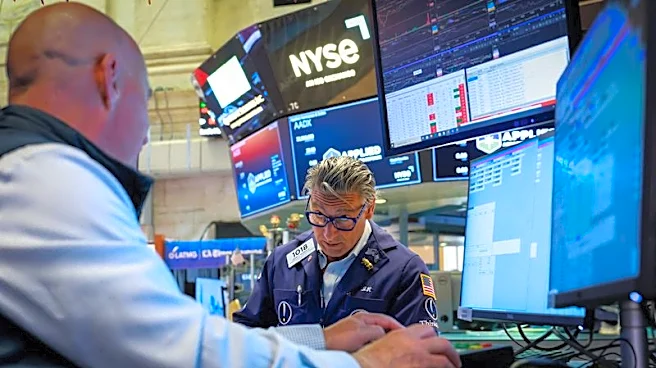
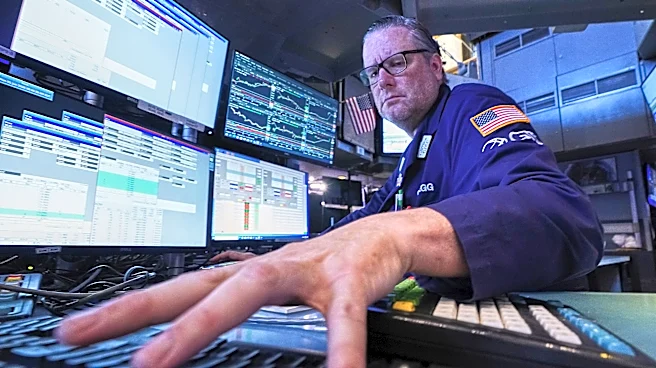
Goldman Sachs has announced a record-breaking achievement in the first half of 2026, managing over $1 trillion in mergers and acquisitions (M&A). This marks the fastest pace for any investment bank within a six-month period, according to Dealogic data.
The firm's success is partly attributed to its role as the lead underwriter for SpaceX's initial public offering, which took place in New York. Despite uncertainties from geopolitical tensions in the Middle East, the bank has benefited from a more lenient regulatory environment under President Trump and the increasing influence of artificial intelligence (AI) in reshaping industries. Goldman Sachs' investment banking fees have also seen a significant rise, reaching $2.84 billion in the first quarter, a 48% increase from the previous year.
Why It's Important?
This development underscores the significant impact of AI and strategic consolidations on the global financial landscape. Goldman Sachs' record-breaking M&A activity highlights the bank's ability to capitalize on these trends, maintaining its position as the top global M&A advisor. The softer regulatory environment under President Trump has facilitated this growth, allowing for more aggressive deal-making strategies. This success not only reinforces Goldman Sachs' leadership in the financial sector but also signals a broader trend of increased M&A activity driven by technological advancements and strategic industry consolidations. Stakeholders in the financial and tech industries stand to gain from these developments, as they navigate an evolving market landscape.
What's Next?
As Goldman Sachs continues to lead in M&A activities, the financial sector may see further consolidation and strategic partnerships, particularly in technology-driven industries. The ongoing momentum in AI and other technological innovations is likely to drive more deals, potentially reshaping entire sectors. Stakeholders, including investors and industry leaders, will be closely monitoring these trends to identify new opportunities and challenges. Additionally, the regulatory environment will remain a critical factor in determining the pace and nature of future M&A activities.