




What's Happening?
U.S. wholesale prices, as measured by the producer price index, increased by 6.5% in October compared to a year earlier, according to figures released by the U.S. Bureau of Labor Statistics. This marks the largest annual jump in wholesale prices since
November 2022. On a monthly basis, wholesale prices rose by a seasonally adjusted 0.3% in October from September, a slowdown from the 1.4% increase recorded in the previous month. While the annual rate was the highest in nearly four years, it came in slightly below economists' expectations of a 6.6% increase. Food prices at the wholesale level saw a 1.3% jump in October from September, accelerating from a 1.1% rise in the prior month. The wholesale price index for energy, however, ticked down 0.1% in October from September, after a significant 10% rise in the previous month, though overall energy costs remained elevated.
Why It's Important?
The acceleration in annual wholesale prices to their fastest pace in nearly four years indicates persistent inflationary pressures at the producer level within the U.S. economy. This data is a critical indicator of potential future consumer price inflation, as businesses often pass increased input costs on to consumers. The significant rise in food prices at the wholesale level suggests that grocery costs for consumers may continue to climb. Elevated diesel prices, which have increased by approximately 61% from a year earlier, are a major contributor to supply costs across nearly all products, impacting everything from manufacturing to retail. This situation poses challenges for businesses in managing costs and for consumers facing higher prices for goods and services, influencing overall economic stability and household budgets.
What's Next?
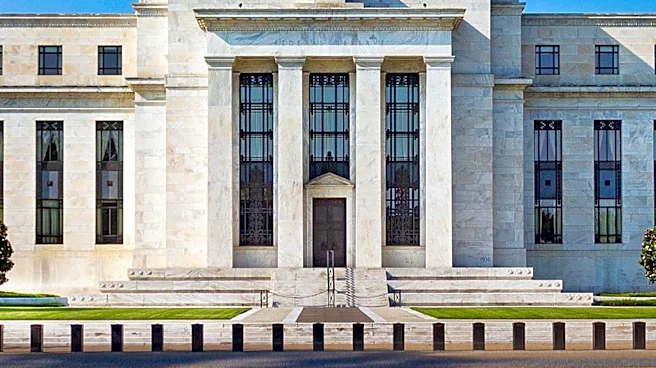
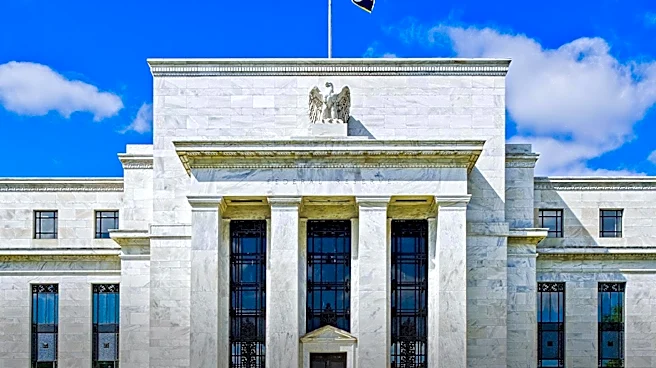
The latest wholesale price data, following a recent report on hotter-than-expected consumer prices, will be a significant factor in the Federal Reserve's upcoming monetary policy decisions. Policymakers are currently evaluating whether to implement another interest rate hike to curb inflation, a move that carries the risk of slowing down job growth. If the Federal Reserve decides to raise rates at its next meeting in December, it would be the second such increase in four months, after a three-year period without rate adjustments. The ongoing scrutiny of these inflation indicators highlights the delicate balance the central bank must maintain between controlling rising prices and supporting economic growth. The trajectory of wholesale prices will continue to be closely watched for signs of either sustained inflation or a potential easing of price pressures.
Beyond the Headlines
The sustained increase in wholesale prices has far-reaching implications beyond immediate economic indicators. For businesses, particularly those with tight margins, the rising cost of inputs can lead to difficult decisions regarding pricing, production levels, and investment. This could potentially impact job creation and overall economic expansion. For consumers, the pass-through of these higher wholesale costs will translate into increased prices for everyday goods, eroding purchasing power and potentially leading to shifts in spending habits. The role of energy costs, particularly diesel, in driving up transportation and warehousing expenses, underscores the vulnerability of the supply chain to fluctuations in global energy markets. This situation may prompt businesses to explore more resilient and cost-effective supply chain strategies in the long term.