





What's Happening?
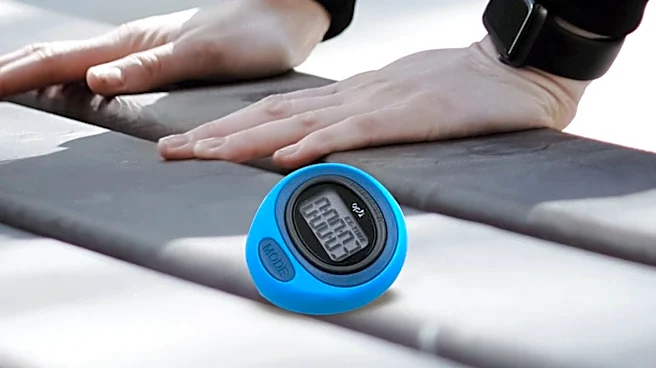
Sleep tracking technology, increasingly integrated into smartwatches, rings, mattresses, headbands, and mobile apps, provides users with detailed metrics on sleep duration, movement, heart rate, and other vital signs. These devices help individuals identify
sleep patterns and understand how daily habits, such as late meals, caffeine, stress, or exercise, might affect their rest. Some advanced sleep tech also offers features like sounds, light, or guided routines to support better sleep habits. However, this widespread adoption of sleep tracking also introduces significant privacy concerns. The sensitive nature of sleep data, which can reveal personal health information, routines, and behavioral patterns, makes data protection a critical issue. Many devices upload this data to cloud servers, and while algorithms provide insights, users often have limited understanding of how their data is processed or shared with third parties like employers, insurers, or advertisers.
Why It's Important?
The dual nature of sleep tracking technology presents a significant societal and individual impact. On one hand, it empowers individuals with actionable insights into their sleep health, potentially leading to improved well-being and informed lifestyle changes. This data can also contribute valuable information to sleep research, advancing our understanding of sleep disorders and general health. On the other hand, the collection and storage of highly personal sleep data create substantial privacy risks. Misuse or breaches of this data could expose sensitive health information, leading to potential discrimination or exploitation. The lack of transparency in data practices and the potential for institutional use of sleep scores raise ethical questions about surveillance and individual autonomy. Balancing the benefits of personalized health insights with robust data protection measures is crucial for the responsible development and deployment of these technologies.
What's Next?
The future of sleep tracking technology will likely involve a continued push for more sophisticated data collection and analysis, alongside increasing demands for stronger privacy controls. Companies developing these devices will face pressure to implement transparent data practices, clearly explain data usage, and provide users with simple options for managing and deleting their personal information. Regulatory bodies may also step in to establish clearer guidelines for data collection, storage, and sharing, particularly as the line between wellness and medical devices blurs. There will likely be ongoing discussions about the ethical implications of workplace or insurance-related sleep tracking, advocating for voluntary participation and ensuring that sleep scores are not treated as definitive health measures. Furthermore, independent testing will become increasingly important to verify the accuracy and reliability of tracking algorithms across diverse user populations.
Beyond the Headlines
The proliferation of sleep tracking technology extends beyond mere health monitoring; it reflects a broader cultural shift towards data-driven self-optimization. This trend, while offering potential benefits, also carries the risk of fostering 'optimization anxiety,' where the constant pursuit of perfect scores can negatively impact mental well-being. The reliance on algorithms to interpret complex biological data raises questions about the nature of self-knowledge and the potential for technology to mediate our understanding of our own bodies. As these devices become more integrated into daily life, there's a need to critically examine the psychological effects of continuous self-monitoring and to ensure that technology serves as a tool for empowerment rather than a source of stress or a means of subtle surveillance. The ethical challenge lies in harnessing the power of data for health improvement while safeguarding individual privacy and promoting a balanced approach to well-being.