




What's Happening?
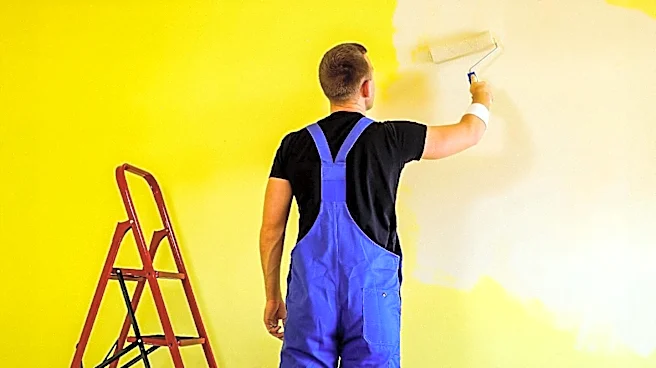
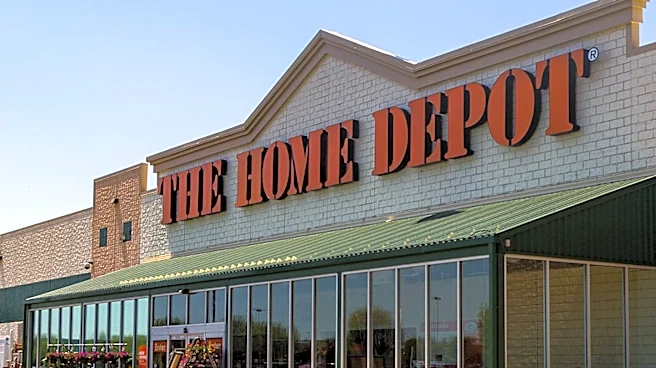
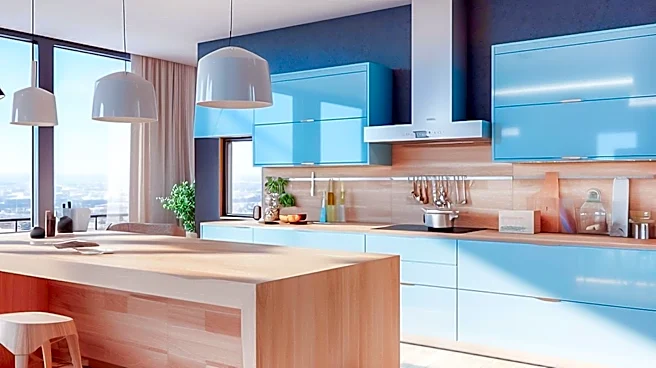
DIY home improvement spending has seen a substantial decline since 1995, according to a new blog by Luna Xu. This trend is not uniform, with a steeper decline observed in discretionary improvement projects compared to essential replacement work. The shift
also varies by homeowner age. Despite the decrease in spending, the DIY share of project value remains significantly higher, largely because labor costs typically account for about half of a project's total expense. This suggests that while fewer homeowners might be undertaking DIY projects, those who do are still contributing substantial value by performing the labor themselves. The overall landscape of home improvement is moving towards more professionally installed projects, yet the underlying value of DIY efforts persists.
Why It's Important?
This shift in DIY home improvement spending has several important implications for the U.S. economy and related industries. A decline in DIY spending could impact retailers that supply materials and tools for such projects, potentially leading to changes in inventory, marketing strategies, and even store formats. Conversely, the increased preference for professionally installed projects could boost the construction and home services sectors, creating more jobs for skilled tradespeople and increasing demand for professional contractors. The sustained high DIY share of project value, despite lower spending, highlights a potential economic resilience within the DIY segment, where homeowners are still investing significant personal effort to save on labor costs. This trend could also reflect changing demographics and lifestyles, with younger generations potentially having less time or inclination for extensive DIY work, or a greater disposable income to outsource such tasks.
What's Next?
The trajectory of DIY home improvement spending will likely continue to be influenced by economic conditions, labor market trends, and evolving consumer preferences. Retailers and service providers in the home improvement sector will need to adapt to these changes, potentially by offering more specialized services, pre-fabricated solutions, or enhanced support for professional installations. Further research into the specific demographics driving these trends could provide valuable insights for businesses. Additionally, the emphasis on improving the energy performance of buildings suggests a future where DIY projects might increasingly focus on sustainability and energy efficiency, potentially driven by government incentives or growing environmental awareness among homeowners. The industry may see a rise in products and services catering to these specific, value-driven DIY endeavors.
Beyond the Headlines
The evolving landscape of DIY home improvement touches upon broader societal and cultural shifts. The decline in DIY spending, particularly for discretionary projects, might indicate a societal move away from hands-on craftsmanship towards convenience and professional expertise. This could have implications for skill development within communities and the preservation of traditional home maintenance knowledge. The continued high value of DIY projects, however, suggests that the intrinsic satisfaction and cost-saving benefits of doing it yourself still hold appeal for a segment of the population. This dichotomy highlights a tension between the desire for personal involvement in one's living space and the increasing demands of modern life. Furthermore, the focus on energy performance in buildings points to a growing awareness of environmental responsibility, potentially integrating eco-conscious choices into future home improvement decisions, whether DIY or professionally managed.