






What's Happening?
Jesuit Father Brendan McManus, author of 'Redemption Road, Grieving on the Camino,' continues to explore the spiritual dimensions of walking. McManus, a veteran of the Camino pilgrimage routes in Spain, has also led walks in his native Ireland. His book,
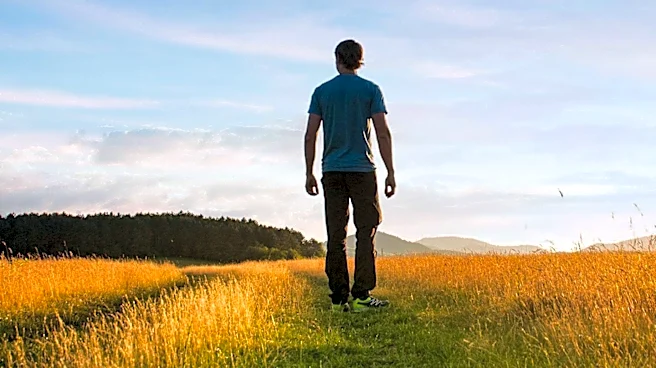
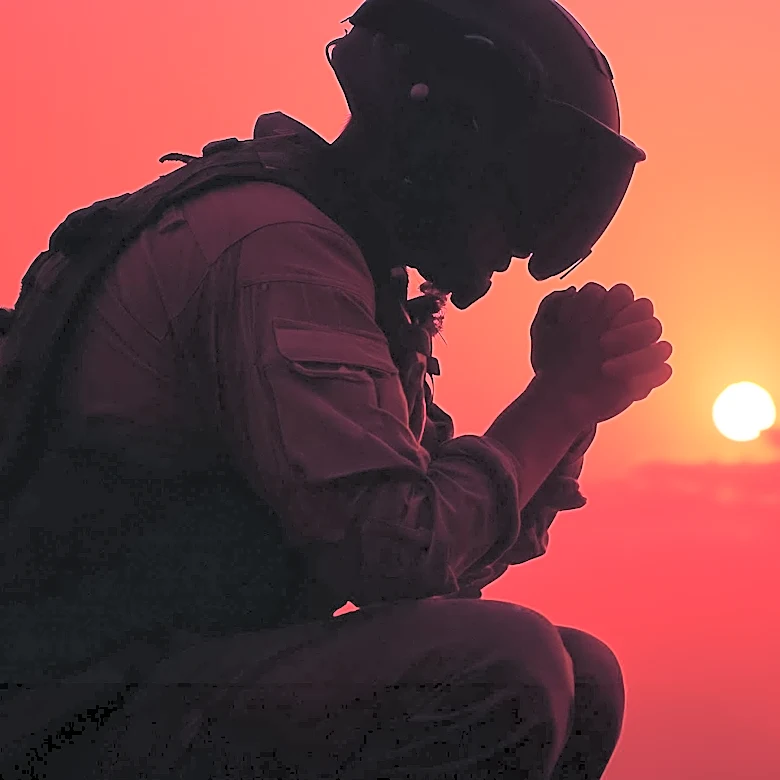
'Redemption Road,' chronicles his journey to process the suicide of his brother, Donal. McManus frequently shares insights on prayer walks, emphasizing the importance of presence and listening to God amidst distractions. He advocates for leaving phones behind during these walks to avoid digital interruptions and encourages a focus on gratitude, acknowledging worries, and lifting up loved ones in prayer. McManus draws inspiration from the Spanish poet Antonio Machado's quote: 'Traveler, there is no road; you make your own path as you walk.'
Why It's Important?
Father McManus's work is important because it offers a unique perspective on spiritual practice, integrating physical activity with contemplative prayer. In an increasingly fast-paced and digitally connected world, his emphasis on 'prayer walks' provides a practical method for individuals to find solace, process grief, and deepen their faith. The concept of making one's own path resonates with many seeking personal meaning and spiritual growth outside traditional religious settings. His experiences on the Camino and in Ireland highlight the universal human need for connection, reflection, and healing, demonstrating how walking can serve as a powerful tool for mental and spiritual well-being. This approach can be particularly impactful for those grappling with loss or seeking a more embodied form of spirituality.
What's Next?
Father McManus is likely to continue sharing his insights on the spiritual benefits of walking through his writings, talks, and potentially leading more pilgrimage experiences. His work may inspire others to adopt similar practices, leading to a growing interest in contemplative walking and nature-based spirituality. There could be further exploration of the intersection between physical movement, mental health, and religious practice. His advocacy for disconnecting from digital devices during prayer walks might also contribute to broader discussions about digital detox and mindful living. The themes of grief, healing, and finding one's path are universal, suggesting continued relevance and resonance for his message.
Beyond the Headlines
Beyond the immediate spiritual benefits, Father McManus's work touches upon the broader cultural significance of pilgrimage and the human need for ritual and journey. In a secularizing world, the appeal of practices like the Camino suggests a yearning for meaning and connection that traditional institutions may not always fulfill. His personal story of processing grief through walking highlights the therapeutic power of movement and nature in healing trauma. The idea of 'making your own path' also speaks to a contemporary emphasis on personal agency and individualized spiritual journeys, even within established religious traditions. This approach encourages a more active, experiential engagement with faith, moving beyond passive observance to a dynamic, personal quest for understanding and connection.