








What's Happening?
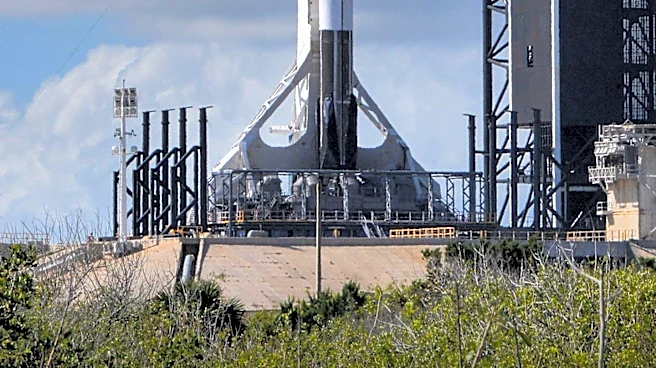
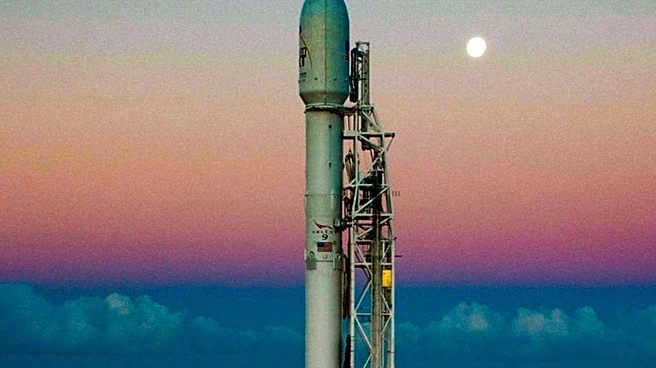
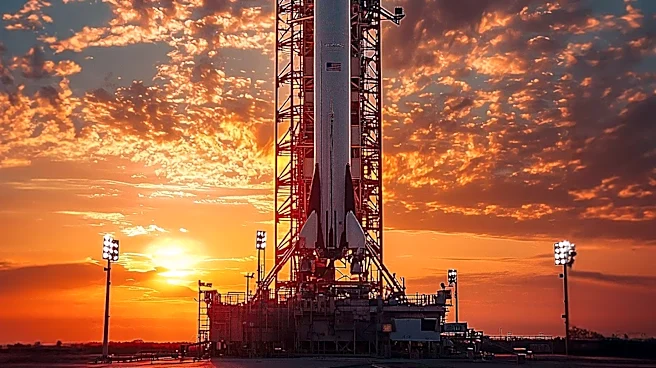
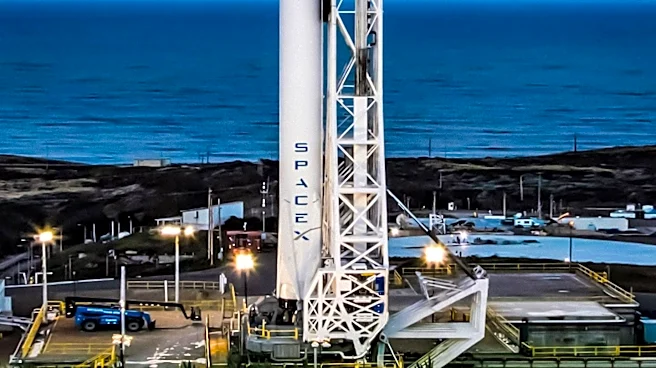
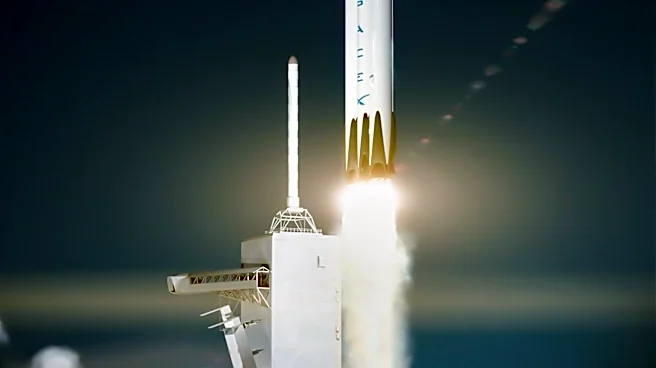
SpaceX's Falcon 9 rocket experienced an auto-abort at Vandenberg Space Force Base, marking the second engine anomaly for the company in a week. The abort occurred during the Starlink 17-39 mission, intended to deploy 24 Starlink V2 Mini satellites. All
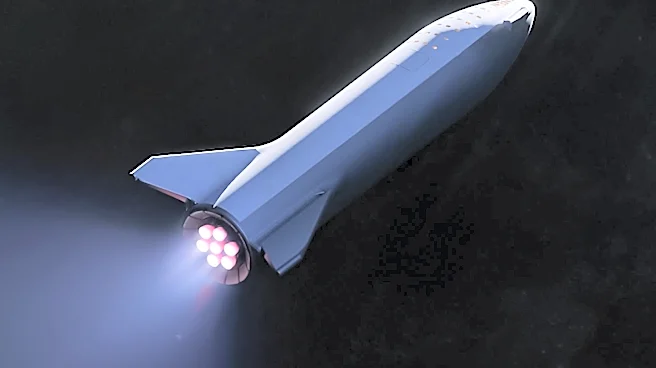
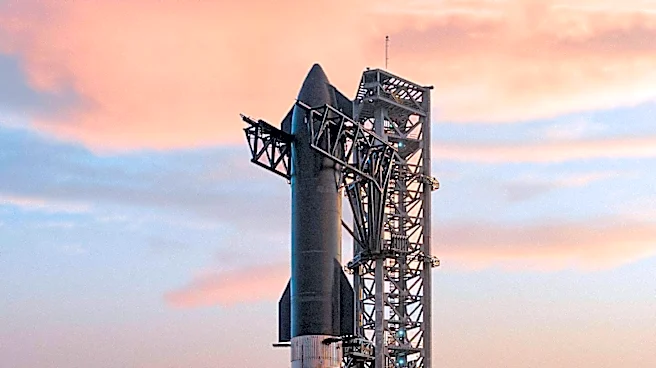
nine Merlin engines ignited briefly before the flight computer commanded a shutdown. SpaceX has not yet disclosed the cause of the abort, but the vehicle and payload remain safe. This incident follows a similar abort with the Starship Flight 13, where four Raptor engines failed to ignite.
Why It's Important?
The back-to-back anomalies raise questions about SpaceX's engine reliability and the robustness of its launch schedule. The Falcon 9 is pivotal for deploying the Starlink constellation, which aims to provide global internet coverage. Delays in launches could impact service expansion and contractual obligations. The incidents also highlight the importance of SpaceX's safety protocols, which are designed to prevent catastrophic failures. The company's ability to quickly address and resolve these issues is crucial for maintaining its reputation and operational tempo.
What's Next?
SpaceX will investigate the cause of the Falcon 9 abort and determine whether the booster needs replacement or repair. The company aims to reschedule the Starlink 17-39 mission once the issue is resolved. Meanwhile, preparations continue for the next attempt of the Starship Flight 13, targeting July 23. The outcome of these investigations will be closely watched by industry stakeholders and could influence future launch schedules and strategies.