

What's Happening?
The U.S. Open tennis championships are experiencing significant criticism due to an unprecedented number of matches extending past 2 a.m. local time. Within the first six days of the tournament, three matches concluded after 2 a.m., with two additional
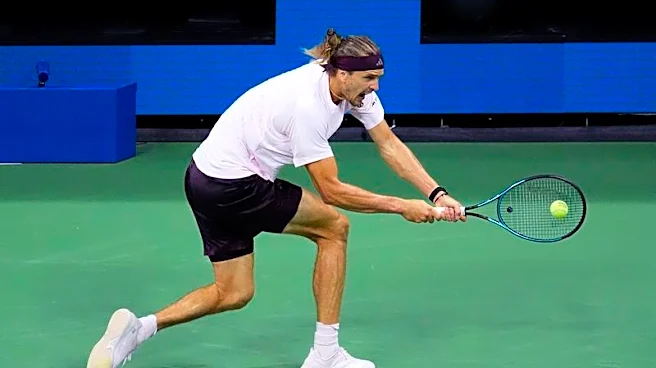
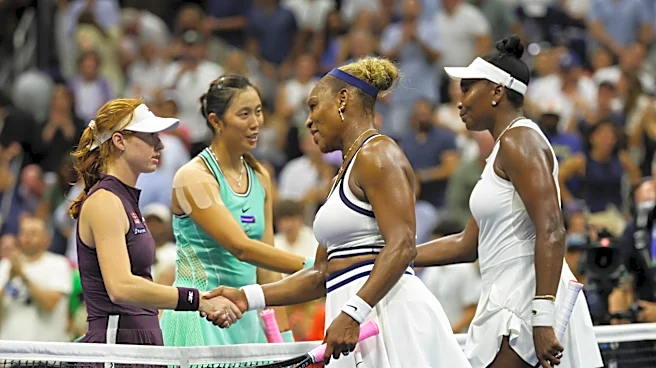
matches finishing after 1 a.m. This trend has led to concerns from players and observers regarding player fatigue and the overall fan experience. Alexander Zverev, after finishing a match in the early morning hours, noted that 'everybody’s tired' and 'everybody wants to go to sleep.' The late finishes have resulted in empty seats in Arthur Ashe Stadium, a venue known for its energetic night matches. Notably, Venus Williams played the latest-starting match in U.S. Open history at 12:13 a.m. on opening night. Four of the 17 latest finishes in the tournament's history have occurred this year, highlighting a growing issue with scheduling.
Why It's Important?
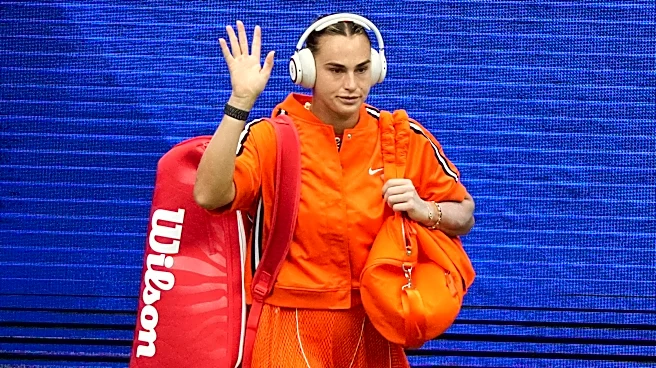
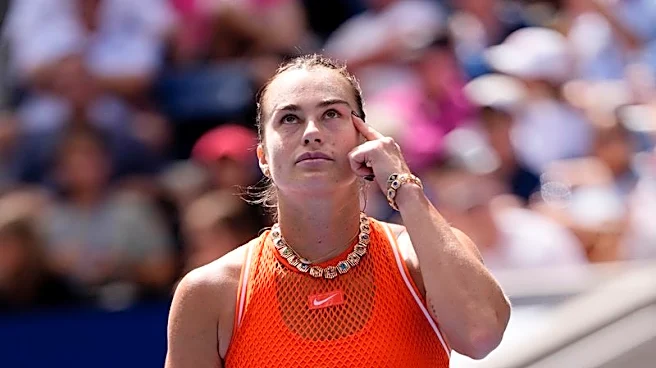
The increasing frequency of late-night matches at the U.S. Open carries significant implications for player welfare, tournament logistics, and the fan experience. For players, consistently finishing matches in the early morning hours disrupts sleep schedules and recovery, potentially impacting performance and increasing the risk of injury. Top-ranked Aryna Sabalenka highlighted that late finishes 'can really mess up your schedule.' From a logistical standpoint, these extended hours strain tournament staff, security, and transportation services. For fans, while some may stay for late matches, many are forced to leave, leading to diminished atmosphere and potentially affecting broadcast viewership in different time zones. The U.S. Open's reputation for late-night drama is being challenged by the practical downsides of extreme scheduling, prompting questions about the balance between broadcast demands and the well-being of participants and spectators.
What's Next?
The ongoing pushback from players and the media suggests that tournament organizers may need to re-evaluate their scheduling practices for future U.S. Open events. While the tournament has historically embraced late-night matches, the current frequency of post-2 a.m. finishes is drawing increased scrutiny. Other Grand Slams, such as Wimbledon with its 11 p.m. curfew and the French Open's single night match policy, offer alternative models. The U.S. Open will likely face pressure to consider adjustments to its schedule, potentially by starting day sessions earlier, limiting the number of night matches, or implementing stricter cut-off times. Discussions will likely involve balancing broadcast commitments, player health, and fan engagement to find a sustainable solution that preserves the tournament's unique atmosphere without compromising its integrity.
Beyond the Headlines
The issue of late-night matches at the U.S. Open extends beyond mere scheduling inconvenience, touching upon broader themes of athlete exploitation and the commercialization of sports. The pressure to maximize television viewership and advertising revenue often dictates match times, potentially overriding concerns for player health and the quality of competition. This situation highlights a tension between the entertainment spectacle and the athletic endeavor. The physical and mental toll on players, who are expected to perform at peak levels after minimal rest, raises ethical questions about the responsibilities of sports organizations towards their athletes. Furthermore, the empty seats during late finishes suggest a disconnect between broadcast-driven scheduling and the on-site fan experience, indicating a need for a more holistic approach that considers all stakeholders.