





What's Happening?
Upcycling, the process of transforming used or discarded items into new products without breaking them down, is gaining traction across various sectors. This approach emphasizes retaining the original form or character of the material. For instance, a Greek
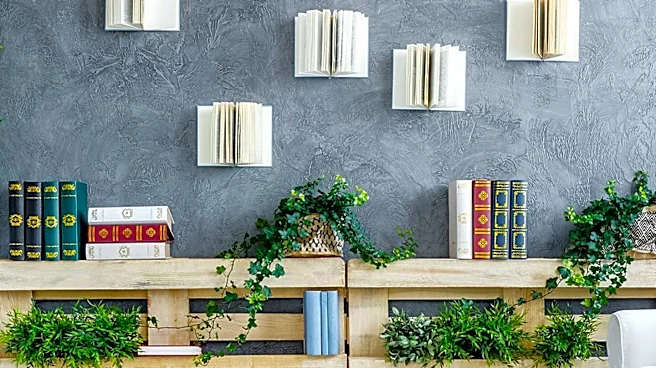
company repurposes retired ferry life rafts into bags, with each color derived from a different part of the raft. Similarly, in the fashion industry, brands like Re–Pull and Nena Hansen are creating new clothing and accessories from existing garments, such as vintage men's button-ups and second-hand textiles. The skincare industry is also exploring upcycled ingredients as part of a broader sustainability strategy, focusing on resource efficiency and environmental impact. This trend extends to DIY projects, where individuals transform old denim into tote bags or clean and fix wooden surfaces for new uses. The core idea is to give materials a second life, often resulting in unique, one-of-a-kind products.
Why It's Important?
The rise of upcycling is significant because it challenges traditional consumption and waste management paradigms. While it may not solve the global waste problem on a massive scale due to its often slow and small-batch nature, it offers a powerful alternative to conventional recycling, which typically involves breaking down materials and often results in a loss of quality. Upcycling promotes a deeper connection between consumers and products by highlighting the material's history and the craftsmanship involved in its transformation. This approach can foster a greater appreciation for items and encourage consumers to buy less and keep things longer. For businesses, upcycling can differentiate products in a crowded market, appealing to environmentally conscious consumers. It also encourages innovation in design and manufacturing processes, as companies must find creative ways to work with diverse and often limited source materials. The emphasis on local production and small-scale operations, as seen in some fashion brands, can also support local economies and reduce carbon footprints associated with long supply chains.
What's Next?
The upcycling movement is likely to continue evolving, with increased innovation in material sourcing and product design. We can expect to see more brands adopting upcycling practices, driven by consumer demand for sustainable products and a growing awareness of environmental issues. This could lead to the development of new technologies and techniques for transforming discarded materials into high-value goods. There may also be a greater emphasis on transparency in product labeling, with brands providing detailed information about the origin and transformation process of upcycled materials. Educational initiatives, such as workshops on upcycling, are also likely to become more prevalent, empowering individuals to participate in the circular economy. Furthermore, as the concept gains broader acceptance, there could be policy discussions around incentivizing upcycling and integrating it more formally into waste management strategies, potentially leading to a shift in how industries view and manage waste.
Beyond the Headlines
Beyond its immediate environmental benefits, upcycling carries deeper implications for culture and consumer behavior. It promotes a shift from a disposable culture to one that values longevity, craftsmanship, and the unique stories embedded in repurposed items. This can lead to a re-evaluation of what constitutes 'new' or 'valuable,' moving away from mass-produced uniformity towards individuality and character. Ethically, upcycling often involves local production and fair labor practices, contrasting with the often opaque supply chains of fast fashion and other industries. Legally, as upcycling becomes more mainstream, there may be a need for clearer regulations regarding material sourcing, product safety, and intellectual property for designs derived from existing items. Culturally, upcycling can inspire creativity and resourcefulness, encouraging individuals and communities to see waste not as an end, but as a beginning for new possibilities, fostering a more sustainable and mindful relationship with material possessions.